
Technical Blog
Read ForndLock's technical articles, selection guides, and application analyses on industrial locks, hinges, handles, and accompanying hardware to help you complete product evaluations and project decisions more efficiently.
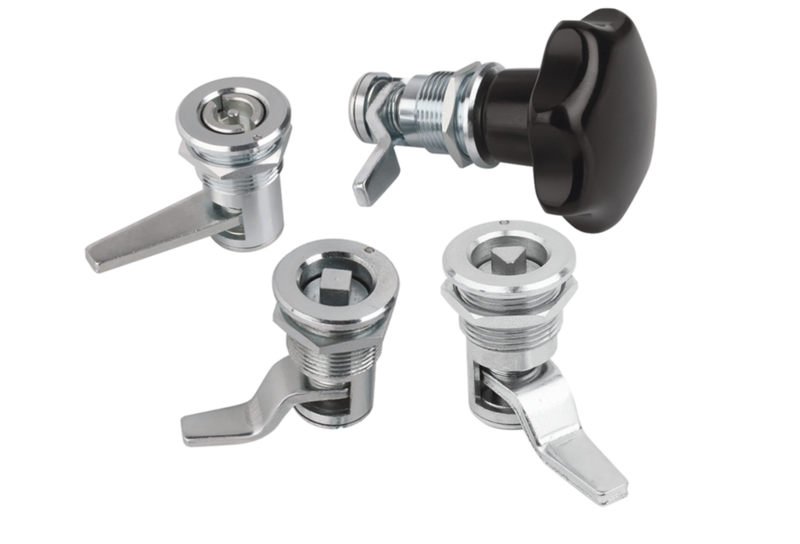
A Guide to Industrial Latch Mechanisms and Fitting Specs
Compare six core industrial latch mechanisms—quarter-turn, compression, slam, draw, rotary, and spring bolt. Learn the critical fitting specs, materials, and multi-point sealing physics for industrial enclosures.
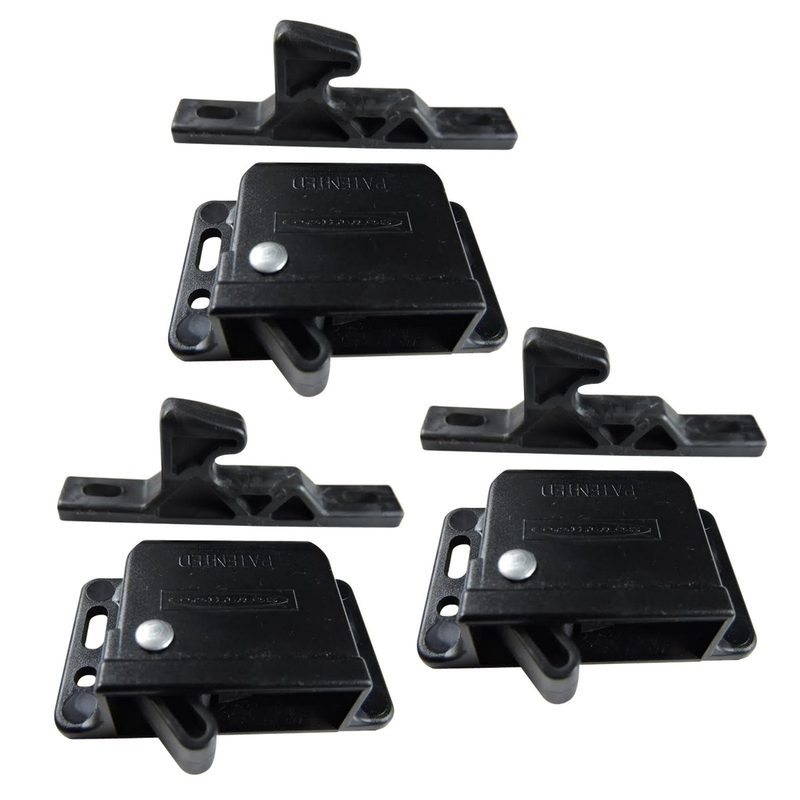
Grabber Catch Latches: Types, Industrial Applications and Manufacturer Guide
Explore grabber catch latch types, industrial applications and key criteria for evaluating manufacturers, product specifications and custom support options.
Engineering Guide to Industrial Door Latches: Types, Applications and Advantages
Learn how industrial door latches differ by mechanism, application and door structure, with guidance on grip, striker alignment, sealing, vibration and latch selection.
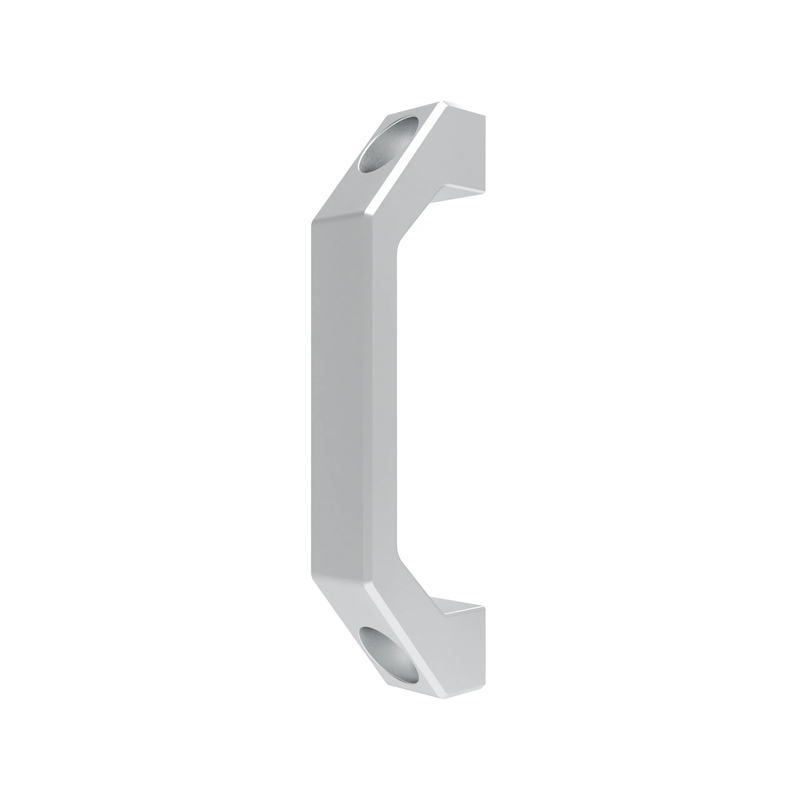
Industrial Pull Handles: The Complete Selection Guide
Learn how to select industrial pull handles based on mounting style, grip clearance, projection, panel strength, material, environment and operating force.
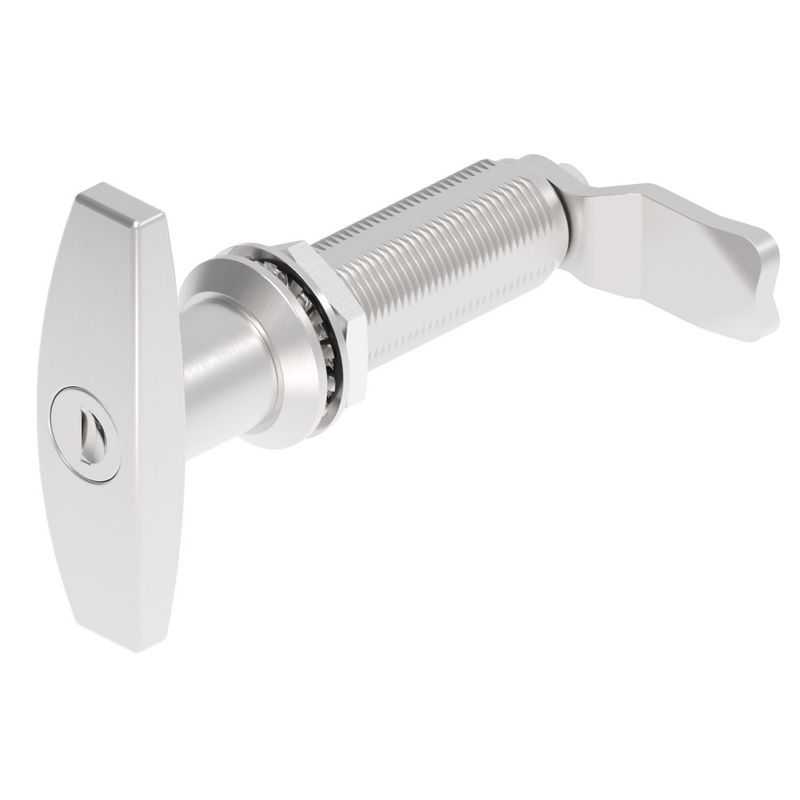
T-Handle Lock Explained: Uses, Types, and How to Choose the Right One
Find the right T-handle lock for industrial cabinets, toolboxes, trailers, and enclosures with practical guidance on security, sealing, and installation.
A Guide to Safety Quarter-Turn Latches for Industrial Cabinets
Discover how safety quarter-turn latches work and compare designs, sealing standards, actuator styles, and applications for secure industrial cabinets.
Paddle Latch Guide: Types, Materials, Installation & Industrial Applications
ForndLock explains paddle latch types, materials, installation and industrial applications, including grip, cutout, rear clearance, striker alignment and release-system selection.
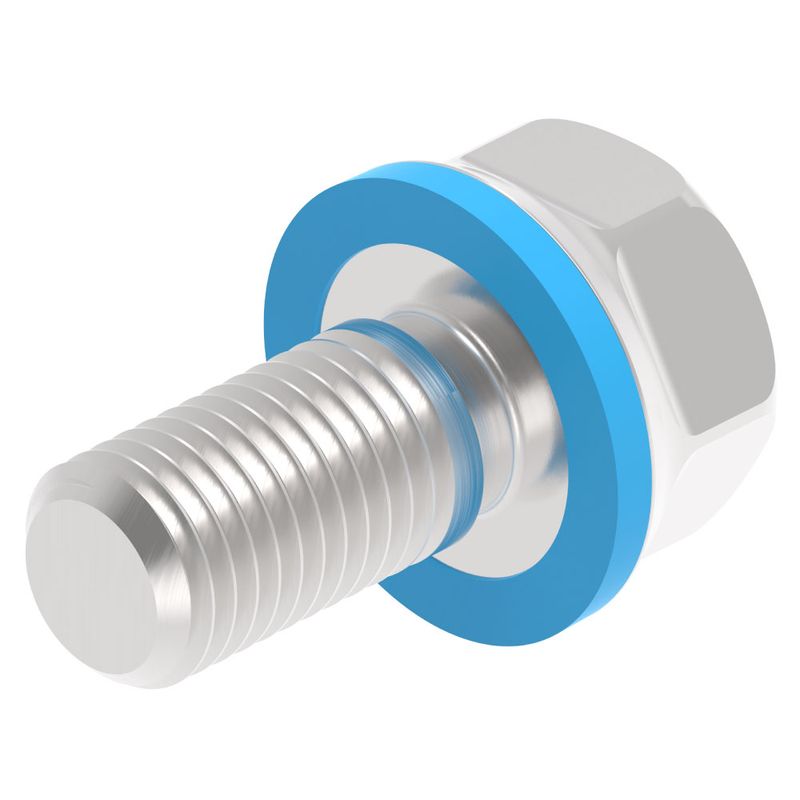
Different Types of Bolts: Characteristics, Components and Industrial Uses
ForndLock explains common industrial bolt types, structural characteristics and uses, including head style, thread, shank, material and joint requirements to help specify the right bolt.
Push-to-Close Latch Selection Guide: How to Choose the Right Type for Your Application
ForndLock explains push-to-close latch types and how to select the right mechanism based on door design, grip, striker geometry, mounting, actuation and operating conditions.
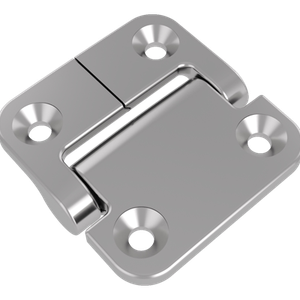
Flush-Mount vs. Surface-Mount Torque Hinges: Which One Do You Need?
Compare flush-mount and surface-mount torque hinges by installation space, panel geometry, torque requirements, appearance and serviceability to choose the right hinge for your application.
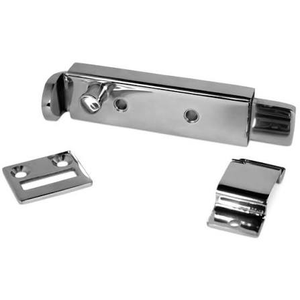
Industrial Slide Bolt Latches: Types, Applications and Manufacturer Selection Guide
ForndLock explains industrial slide bolt latch types, materials, applications and selection factors, including bolt travel, keeper engagement, mounting and manufacturer evaluation.
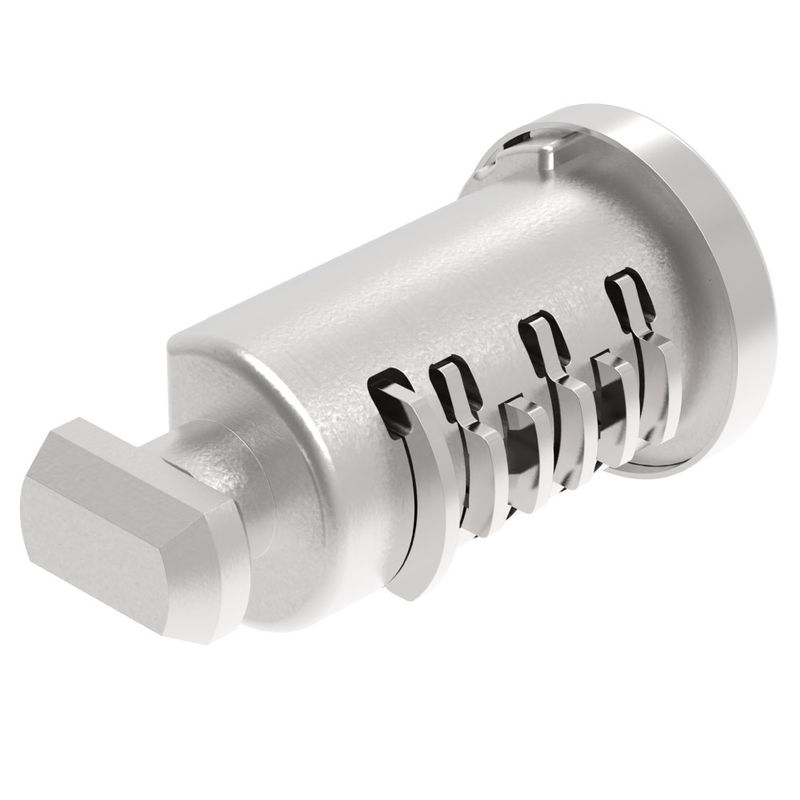
Guide to Barrel Locks: Types and Applications, What are barrel locks used for
Learn what barrel locks are used for, compare common barrel lock types and explore applications in cabinets, lockers, vending machines and industrial equipment.
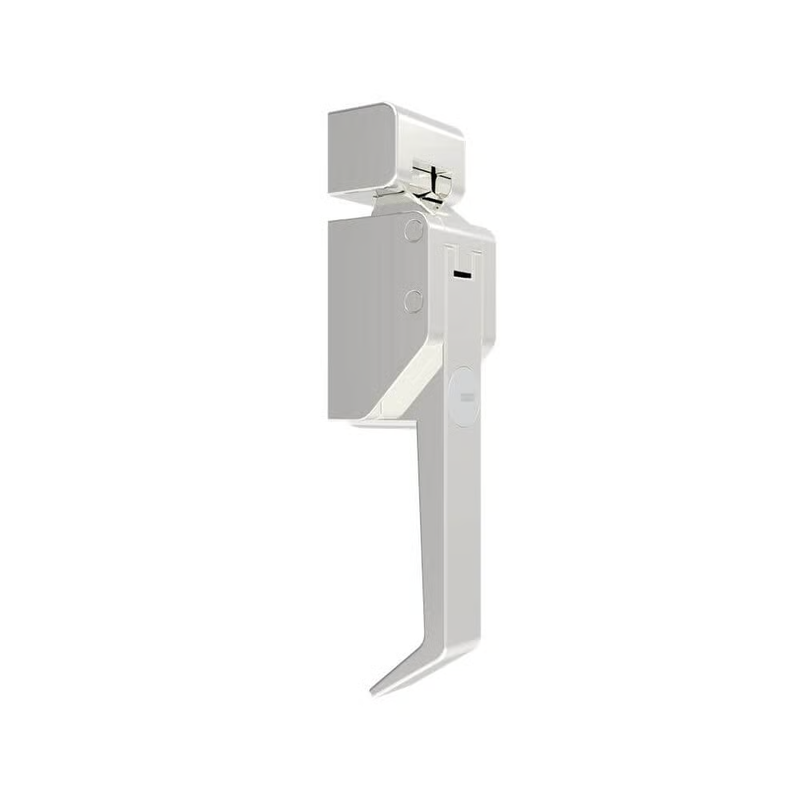
Over-Center Draw Latches: Types, Uses and Manufacturer Guide
Explore over-center draw latch types, materials and uses, with practical criteria for comparing manufacturers, testing capabilities and custom support.
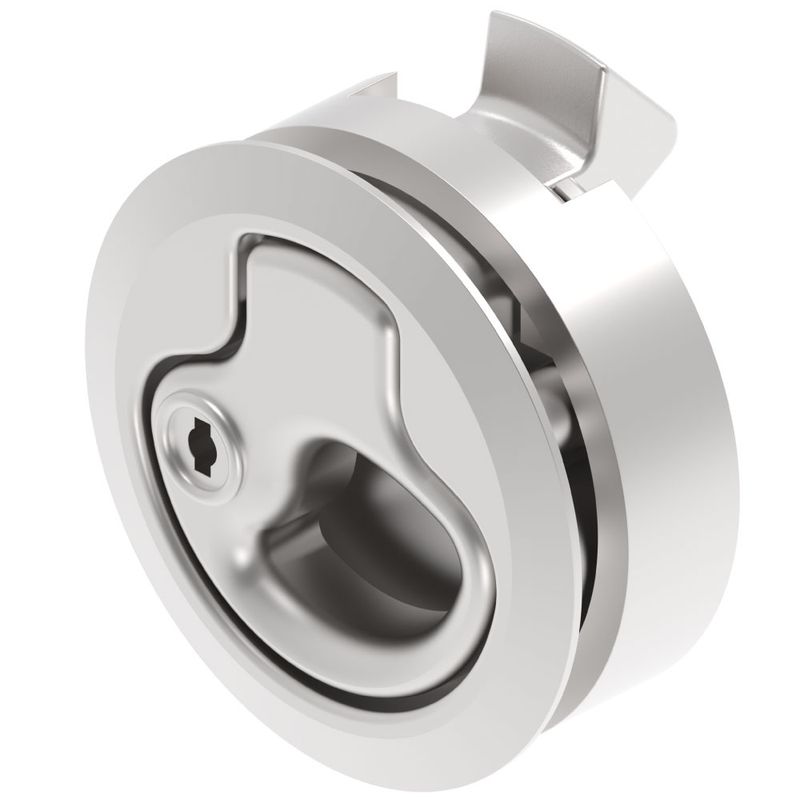
Marine Latches: Types, Materials, Applications and Manufacturer Selection Guide
Compare marine latch types, materials and applications, including compression, slam, cam and draw latches for hatches, doors, cabinets and manufacturer evaluation.
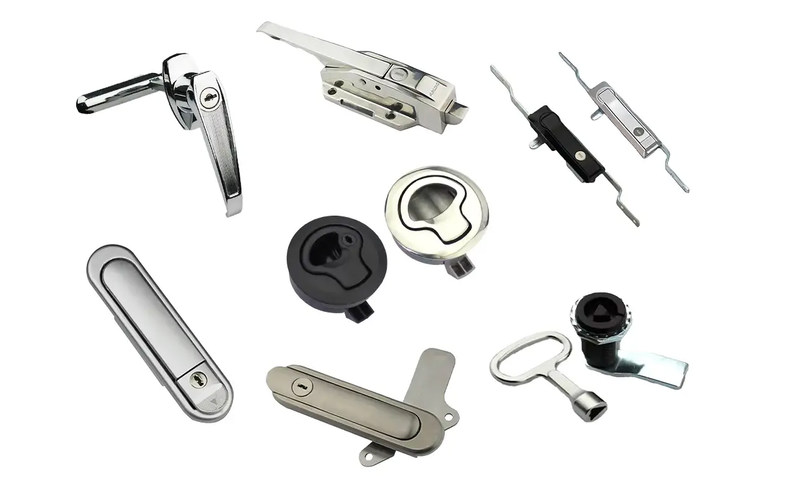
Industrial Cabinet Locks: Types, Applications and Selection Criteria
Explore industrial cabinet locks, including types, applications, and selection criteria. ForndLock provides durable locking solutions for electrical enclosures, control cabinets, and industrial equipment with custom options.
Industrial Locking Systems: Security, Applications and Selection Guide
ForndLock explains industrial locking systems, including lock types, security considerations, applications, materials and selection factors for equipment and enclosures.