Guide to Barrel Locks: Types and Applications, What are barrel locks used for
The right barrel lock depends less on price and more on matching the core mechanism, key system, and housing material to the actual panel, exposure, and access-control needs of the project.
Sourcing teams frequently narrow their search to size and unit cost when specifying meter box locks, cabinet locks, or transport compartment locks, and that shortcut is exactly where trouble starts. A lock that looks identical to the sample photo can still fail within a season if the core material, keyway type, or sealing method doesn't match the actual operating environment. This guide walks through how barrel locks are built, where each structural type performs best, and what parameters actually determine service life—so that whoever signs off on the purchase order has engineering logic behind the decision, not just a catalog picture.
What Is a Barrel Lock, Exactly?
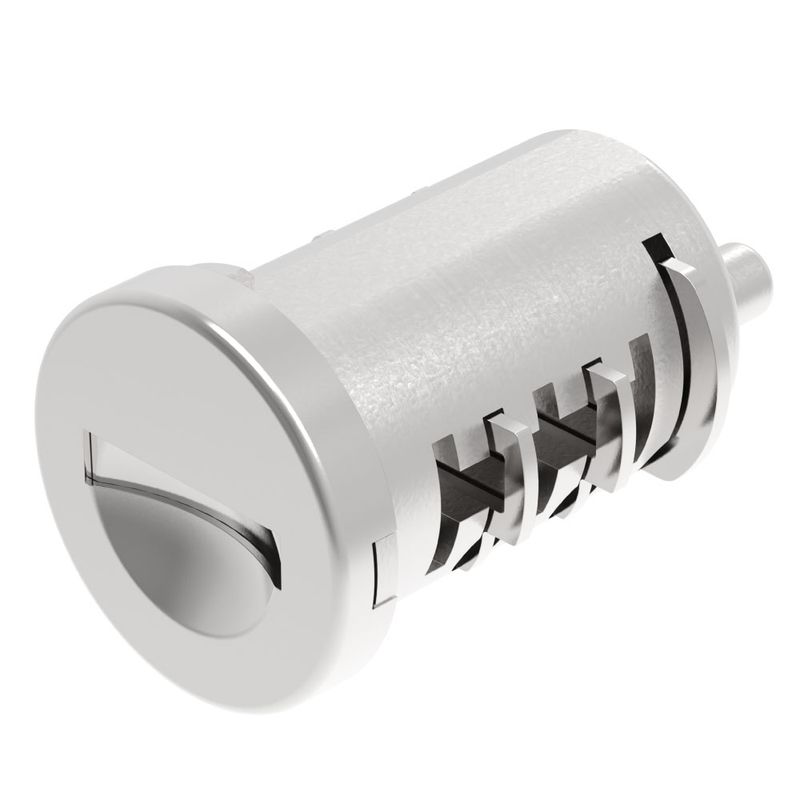
A barrel lock is a compact cylindrical locking component whose rotating core—driven by pins, wafers, or discs—engages a cam, bolt, or latch once the correct key is inserted.

We see this term used loosely across sourcing conversations, and that looseness causes real problems downstream. Some buyers mean a cam lock when they say "barrel lock." Others mean a tubular design, or a euro-profile cylinder used on doors. In our shop, when a new inquiry comes in, we ask the client to clarify the mounting method and panel type before quoting anything, because a barrel lock intended for a thin cabinet panel and one intended for a utility meter ring share almost nothing beyond the round housing shape.
Structurally, three parts matter: the plug (the rotating core that holds the key profile), the housing (the outer shell that resists rotation until the key is correct), and the cam or bolt (the part that actually does the securing once the plug turns). Get any one of these mismatched to the application, and the lock either won't fit, won't hold, or won't last.
What Materials Are Barrel Locks Made From?
Zinc alloy bodies balance cost and moderate corrosion resistance for indoor cabinets, while stainless steel cores are specified when the lock faces outdoor humidity, salt spray, or frequent cycling.

When we evaluate a new order, one of the first questions we ask is where the lock will physically sit—inside a climate-controlled office cabinet, or bolted to an outdoor enclosure that sees rain, condensation, and temperature swings. For indoor furniture and light equipment, a zinc-alloy body with electro-zinc-nickel plating and a stainless cover gives buyers a reasonable balance between unit cost and everyday wear resistance. For outdoor or high-cycle applications, we typically move the core to passivated stainless steel, sometimes paired with a brass blade or crescent-style core, because the failure mode we're trying to avoid isn't scratching—it's internal corrosion that locks the mechanism shut or lets it spin freely without engaging. We don't recommend upgrading every order to stainless by default; it adds cost that indoor cabinet customers don't need. The decision should track the actual exposure profile of the installation, not a general preference for "better" materials.
How Do Barrel Locks Actually Work?
When the correct key aligns the internal pins, wafers, or discs to the shear line, the plug becomes free to rotate and drives the connected cam, bolt, or latch into the open position.
Inside the housing, the plug sits surrounded by spring-loaded pins, flat wafers, or rotating discs, depending on the design. Insert the wrong key, and at least one of these elements stays out of alignment, physically blocking rotation. Insert the correct key, and every element lines up at what locksmiths call the shear line, freeing the plug to turn. That rotation is mechanically linked to a cam, bolt, or latch arm that either releases a panel or secures it.
The three internal structures aren't interchangeable in terms of security or durability. Pin tumbler cores are the most common and cost-effective but are also the most studied by people who pick locks for a living. Wafer cores are compact and common in furniture applications where space is tight. Disc detainer designs rotate individual discs rather than lifting pins, which makes them meaningfully harder to manipulate—something we'll come back to when discussing high-tamper-risk applications.
What Key Types Operate Barrel Locks?
Type | How it Works | Common Use |
Pin-Tumbler | The “normal” kind most people know. The key lifts pins to the right spots, then it turns. | Everyday doors |
Disc Detainer | Works with rotating discs instead of pins. Much harder to pick. | Utility boxes, higher-security cabinets |
Wafer Cylinder | Uses thin wafers. Cheap to make and easy to use, but not very strong. | Mailboxes |
Tubular / Radial | Needs a round key with notches around it. Small and neat. | Vending machines, bikes, tool locks |
High-Security / Restricted | Has extras like anti-drill parts or special keyways. Hard to copy keys. | Places where security and key control matter |
Barrel locks commonly use flat keys, tubular (radial) keys, or plunger-style keys, and the choice affects both pick resistance and how easily a facility can standardize its key system across multiple units.
Flat keys are familiar and inexpensive to duplicate, which makes them practical for cabinets and furniture where security requirements are moderate. Tubular or radial keys arrange the pins in a circle rather than a line, and because the picking tools required are specialized and less common, tubular locks offer distinct advantages for high-security enclosures that see public exposure, such as vending machines and ticket kiosks. Plunger-style keys, which push into the barrel rather than turn from the start, show up frequently in utility and field-device applications where a sealed face is needed to keep out moisture and debris.
What we see clients overlook most often isn't the key type itself—it's cross-unit compatibility. A facility manager orders fifty cabinet locks over three separate purchase cycles, only to discover the key profiles aren't standardized across batches, so field technicians end up carrying multiple key sets for what should be one uniform system. This is a conversation worth having with your supplier before placing a bulk order, not after installation is complete.
Fornd’s Barrel Lock Examples
Code | Material / Finish | Key / Core Style | Quick Notes | Link |
|---|---|---|---|---|
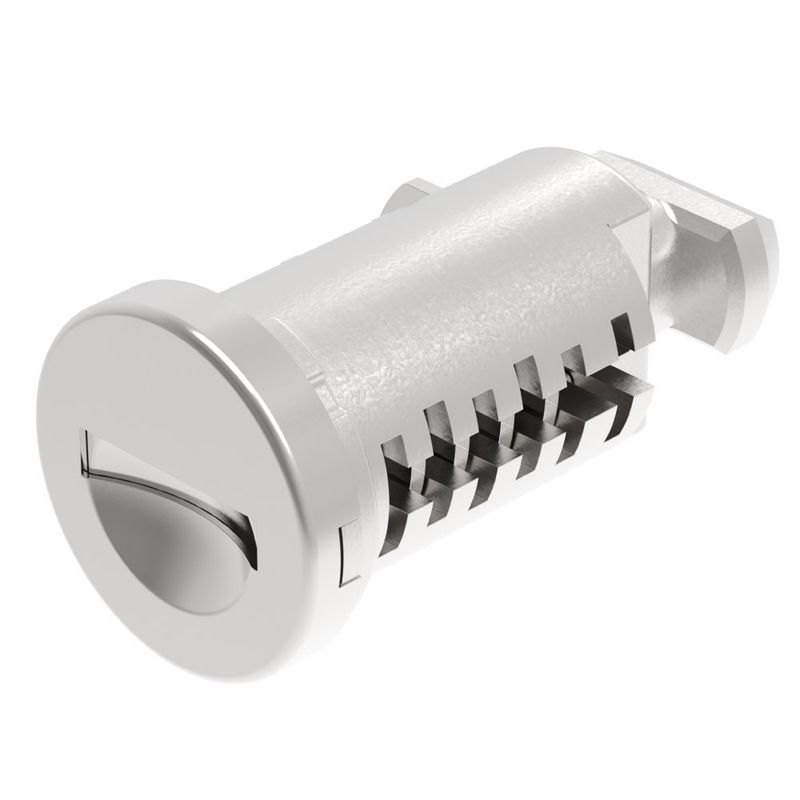
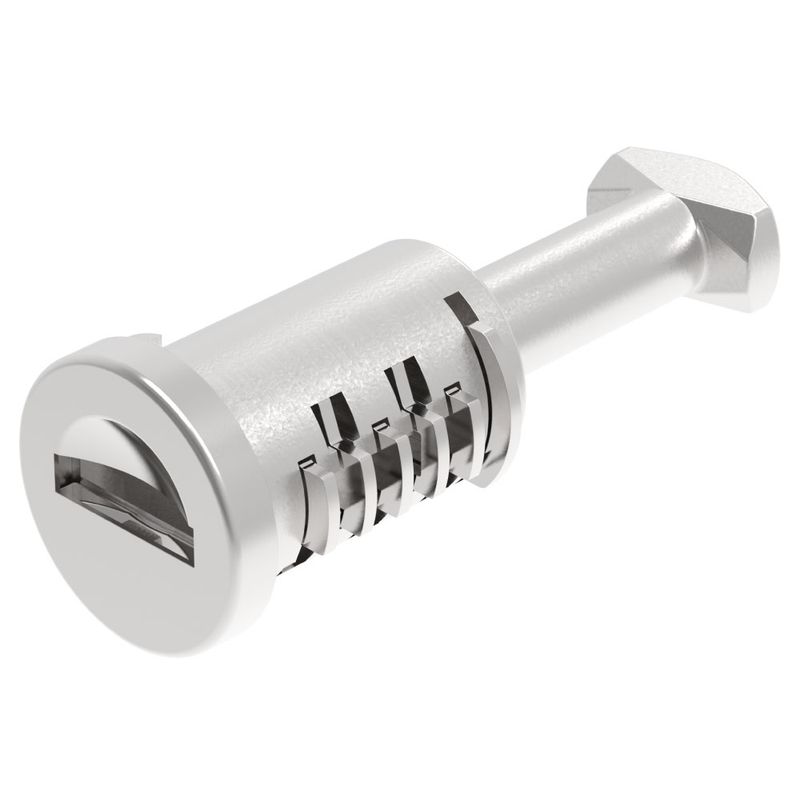
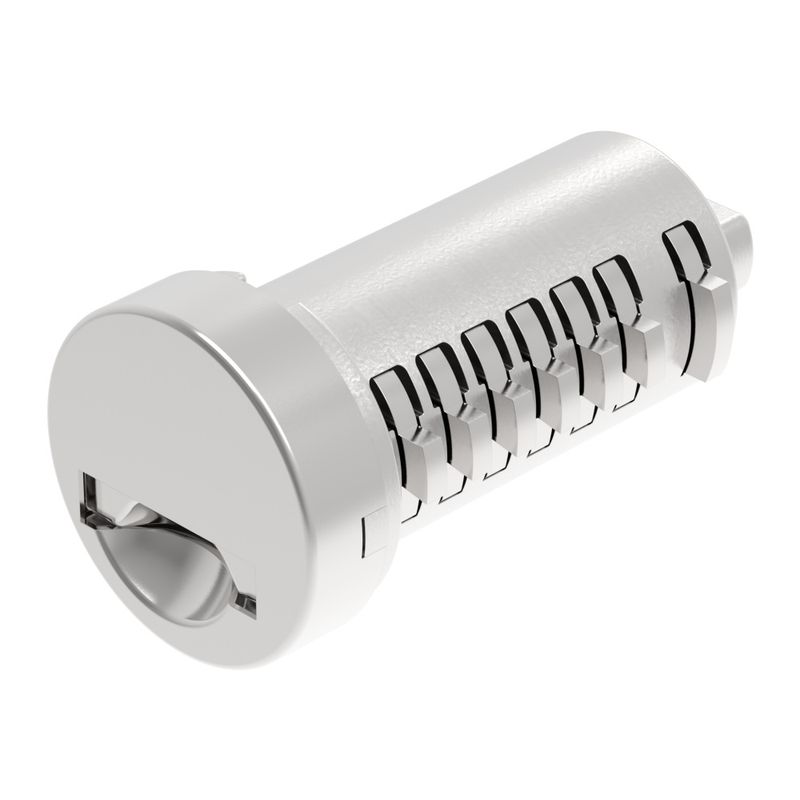
9340 | Zinc alloy; zinc-nickel plating | Removable keyed cylinder; 200 different key codes | Replacement or matching cylinder for roof crossbars, luggage racks, bicycle racks, snowboard racks, kayak racks, surfboard racks and rooftop cargo boxes. REACH compliant. | |
9341 | Zinc alloy; electroplated zinc-nickel alloy | Removable keyed cylinder; 200 different key codes | Suitable for OEM bulk matching or replacement use in automotive roof-rack and outdoor-equipment carrier systems. REACH compliant. | |
9342 | Zinc alloy; zinc-nickel plating | Removable keyed cylinder; 200 different key codes | Designed for roof racks, crossbars, bicycle and snowboard racks, kayak or surfboard carriers, roof boxes and camping-equipment racks. REACH compliant. | |
9343 | Zinc alloy; electroplated zinc-nickel alloy | Removable keyed cylinder; 200 different key codes | Replacement or matching cylinder intended for automotive-accessory, roof-rack and outdoor-sports-equipment manufacturers. REACH compliant. | |
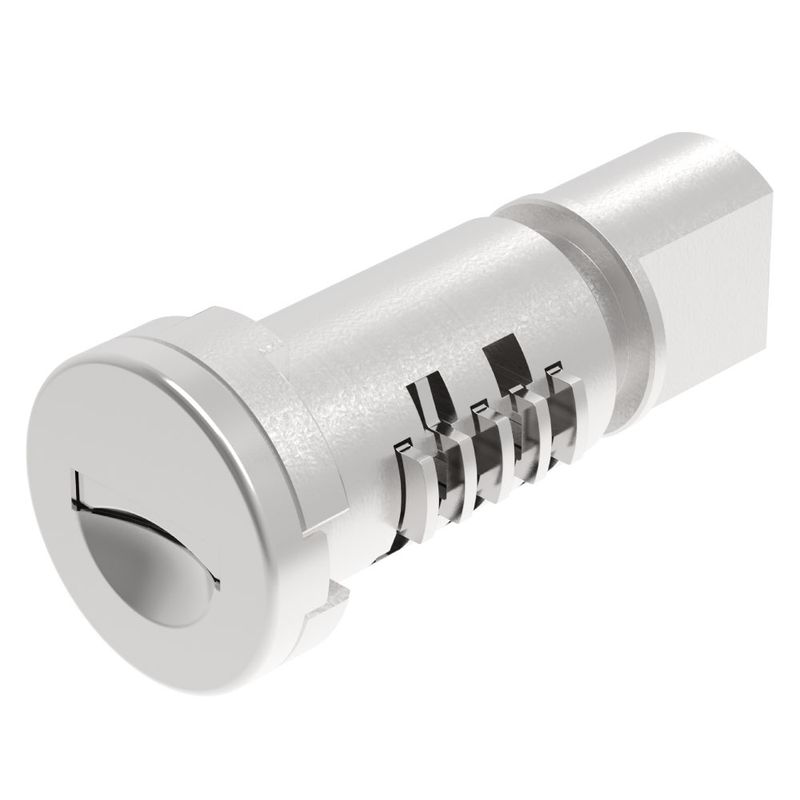
9345 | Zinc alloy; electroplated zinc-nickel alloy | Flat lock-cylinder structure; rear square drive; master-key-system compatible | The rear square drive operates the internal locking mechanism. Suitable as an OEM supporting cylinder, replacement cylinder or master-key-system component. | |
9346 | Zinc alloy; surface finish not specified on product page | Key-operated wafer cylinder; rear drive head | Rear drive head can operate a cam, paddle or lock-body mechanism. Intended mainly for cabinet locks, enclosure locks, handle locks, toolboxes and equipment doors. REACH compliant. |
What Are Barrel Locks Used For?
Barrel locks are most often specified for utility meter boxes, furniture and cabinet panels, vending or service machines, and transport compartments, with the correct choice depending on installation space, access frequency, and tamper risk.
Each of these environments places different demands on the same basic mechanism, and treating them identically is where a lot of field failures originate.
Are They Used on Utility Meters?
Yes—power, gas, and water meter boxes rely on barrel locks specifically because their sealed, weather-resistant housing keeps field technicians in control of access without exposing the mechanism to tampering.
Meter box installations sit outdoors for years without maintenance visits, so the housing has to resist rain infiltration, dust buildup, and UV exposure without the plug seizing. Utility clients also tend to request unified coding across an entire service region, so a single technician key can open hundreds of boxes without carrying a separate key for each one. We regularly get custom requests for tamper-resistant cover designs that prevent the lock from being pried or unscrewed from the outside, since these boxes are effectively unsupervised most of the time.
Do Cabinets and Furniture Need Them?
Office cabinets, filing units, and retail displays typically need compact barrel locks that fit thin panels cleanly on the visible side while still offering enough key variation for basic access control.
Here the priorities flip. Instead of weatherproofing, the concern is fitting a lock into an 8–12mm panel without a bulky housing that looks out of place on a finished piece of furniture. Buyers in this category also generally accept a lower security tier than a utility client would, since the goal is deterring casual access rather than resisting a determined attacker.
Why Do Vending Machines Rely on Them?
Vending and ticket machines use barrel locks as a first line of defense against cash and stock theft, which is why cycle durability and anti-drill resistance matter more than appearance here.
These units get opened and closed dozens of times a week by service staff, and they sit in public spaces where an attempted break-in is a realistic risk rather than a theoretical one. We typically recommend cycle-tested cores rated for high-frequency operation, paired with hardened housing material, over decorative finishes that don't hold up to that kind of use.
Can Transport Units Use Barrel Locks?
Trucks, trailers, and RV storage compartments use barrel locks to withstand vibration and repeated slamming without losing engagement, which is why housing rigidity and corrosion resistance are prioritized over lock complexity.
Road vibration loosens fasteners over time, and a lock that isn't rigidly seated in its housing can develop play that eventually lets the cam slip out of engagement. For this category, selecting industrial cabinet locks for harsh environments follows a similar logic to transport compartments—corrosion resistance and mounting rigidity outperform pick-resistance ratings as the deciding factor, since the realistic threat is road exposure, not a sophisticated intruder.
Which Barrel Lock Type Fits Your Application?
The best-fitting type is determined by weighing panel thickness, required security level, operating frequency, and key-control needs together—not by selecting the type that simply looks most secure.
We walk almost every new client through this same weighing exercise before quoting a specific product code, because the "most secure-looking" option is frequently the wrong fit for the budget and use case in front of us.
What Distinguishes Cam and Tubular Locks?
Cam locks use a flat key and side-mounted cam for simple panel securing, while tubular locks arrange pins radially around a round keyway, giving them stronger resistance to picking in public-facing equipment.
Cam locks dominate mailboxes, lockers, and light cabinet work because they're inexpensive, easy to install, and simple to service. Tubular designs cost more per unit but earn that premium in applications where the equipment sits unattended in a public area for extended periods.
When Should You Choose Disc Detainer Locks?
Disc detainer designs are worth the added cost when the application faces high-value contents or repeated tamper attempts, since their rotating disc mechanism resists drilling and picking better than standard pin or wafer cores.
We reserve this recommendation for clients protecting cash boxes, sensitive equipment compartments, or installations with a documented history of attempted break-ins. For lower-risk indoor furniture, the added cost rarely pays for itself.
How Does Panel Thickness Affect Selection?
Panel thickness determines the required cylinder length and mounting depth, and mismatched dimensions are one of the most common causes of loose installation or premature wear we see in returned samples.
A cylinder that's too long for a thin panel leaves excess length rattling inside the enclosure; one that's too short won't seat properly and puts uneven stress on the mounting nut. If you're evaluating a supplier for a new project, sending panel drawings and thickness specifications before finalizing an order saves a return-and-reorder cycle later. This is the point in the conversation where we usually ask clients to send us their drawings directly so we can match cylinder length to the actual installation depth rather than guessing from a general product listing.
How Did ForndLock Solve a Real Client's Problem?
A utility contractor in Southeast Asia came to us after field-installed meter box locks began failing within months due to humidity exposure, and switching to a stainless-core sealed design cut their replacement rate significantly.
The client, an electric and water infrastructure contractor operating across a tropical region in Southeast Asia, had been installing zinc-alloy barrel locks on meter boxes distributed throughout a service territory with a long rainy season. Within a few months of installation, field crews began reporting locks that were rusted shut or so corroded internally that keys would turn without engaging the cam properly. The maintenance team was replacing roughly 15% of installed locks every quarter, which meant both a direct hardware cost and a scheduling burden—technicians had to make return trips to boxes they should have been able to service on the first visit.
The client sent us their meter box drawings along with details on rainfall exposure and ambient humidity for the installation region. Based on those parameters, we recommended switching the core to passivated stainless steel with a sealed, weather-resistant housing designed to keep moisture out of the pin chamber, and we unified the key coding across the full batch so field crews could carry a single key set instead of managing separate codes per box. This also simplified spare-parts management on their end, since replacement units were interchangeable rather than requiring matched sets.
Within six months of the retrofit, corrosion-related failures dropped to a low single-digit percentage, field maintenance visits related to lock issues became infrequent, and the client placed a second bulk order for additional service regions. If your installations face a similar climate profile—or any environment where standard zinc hardware has underperformed—sending us your environmental conditions alongside your box drawings lets us run the same kind of evaluation before you commit to a full production run.
How Can You Start Your Barrel Lock Project?
The most efficient way to begin is to send us your panel drawings, environmental conditions, and required key system so our team can recommend a matched lock structure before you commit to a bulk order.
Across every application discussed here—meter boxes, cabinets, vending equipment, transport compartments—the same four factors keep resurfacing: core type, housing material, key system, and installation dimensions. Treating any one of these in isolation is how buyers end up with locks that fit on paper but fail in the field. We support project development at whatever stage a client is at, whether that means evaluating a rough sketch, reviewing finalized drawings, sending physical samples for on-site testing, working out a batch coding scheme for multi-unit installations, or producing under a client's own branding for OEM programs.
As outdoor equipment and unattended terminals—smart meters, unattended retail units, remote service cabinets—continue to expand, the demands on sealing performance and traceable key coding will only increase, and getting drawing details in front of a manufacturer early remains the most reliable way to avoid a costly mismatch later. If you have a project in front of you now, send your specifications, drawings, or sample requests to [email protected], and we'll work through the selection logic with you before anything goes into production.