Why Rotary Latches Are Critical for Vehicle Safety
Designing and specifying closure mechanisms for high-vibration and high-impact environments represents one of the most complex mechanical challenges in modern manufacturing. When a heavy door is subjected to dynamic loads, shifting chassis geometries, and relentless environmental exposure, the hardware securing it must perform flawlessly to prevent catastrophic unlatching. This article resolves the intricate engineering challenges associated with securing access panels and doors under extreme operational stress. Targeted specifically at professionals including automotive engineers, industrial equipment designers, and original equipment manufacturer procurement managers, this comprehensive guide provides actionable insights into mechanical requirements, safety certifications, and load capacity evaluations. By exploring kinematic failure modes, navigating rigorous compliance standards, and establishing data-driven sourcing criteria, technical teams will gain the fundamental knowledge required to specify highly reliable hardware for their most demanding applications.
How Do Automotive Rotary Latches Work?
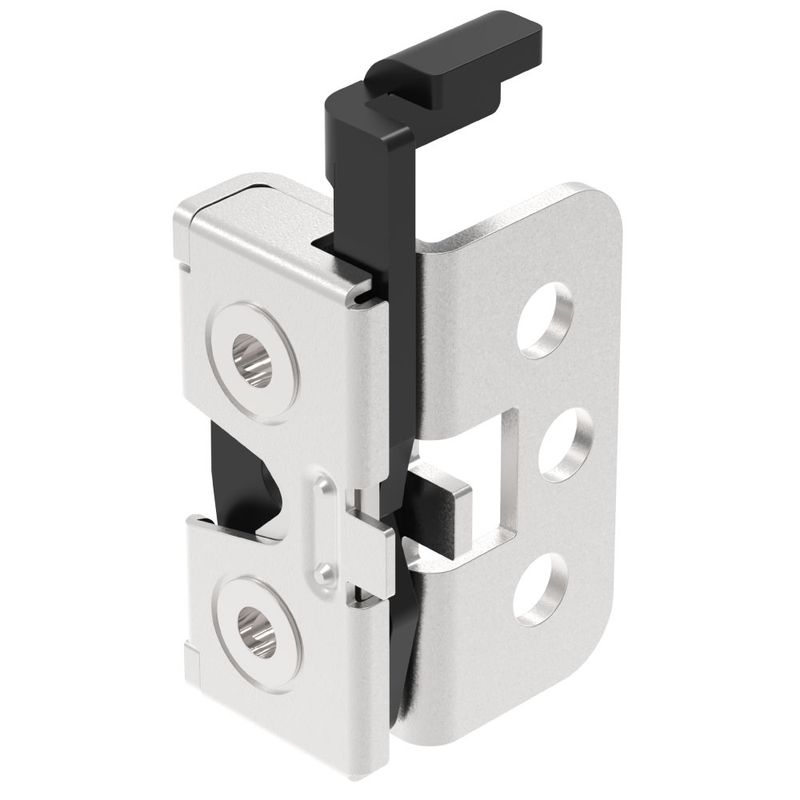
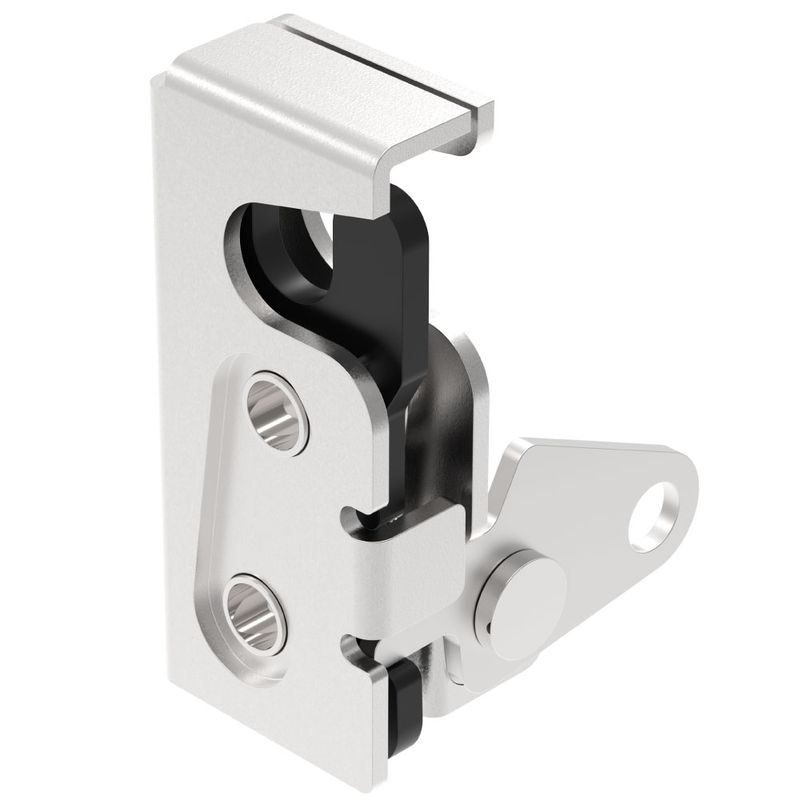
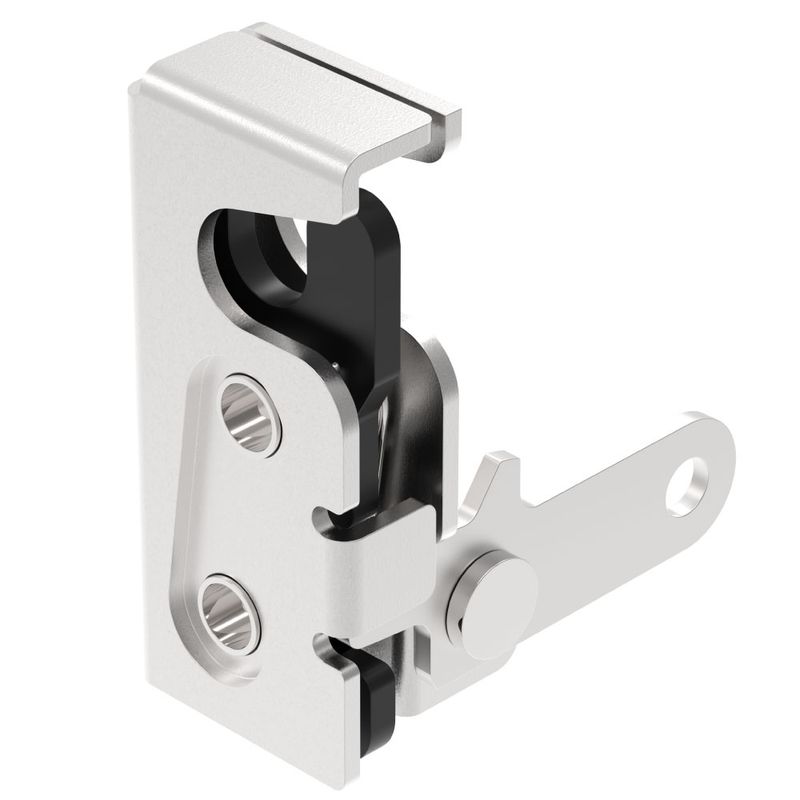
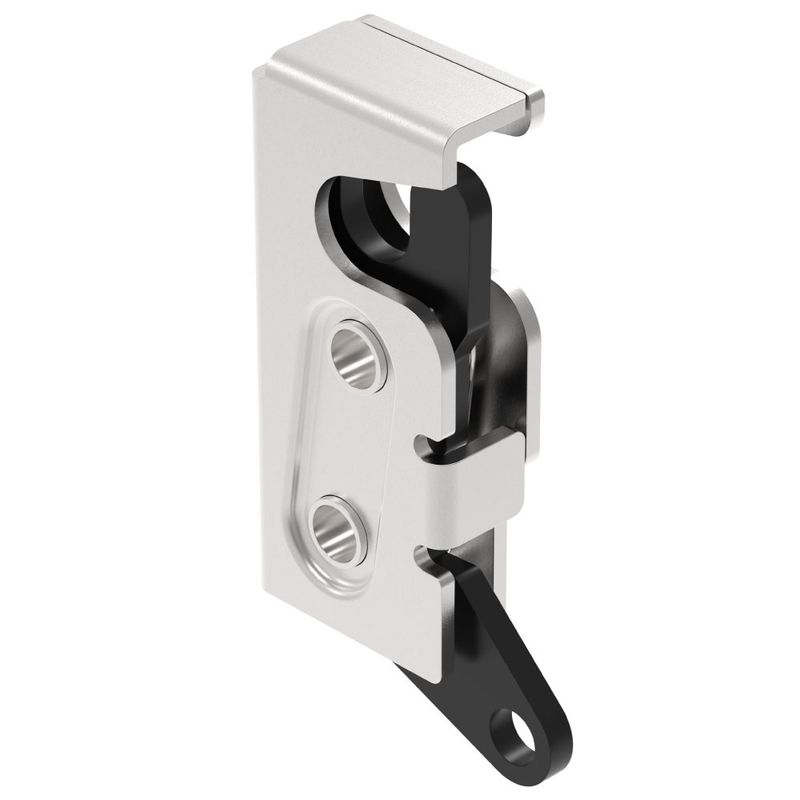
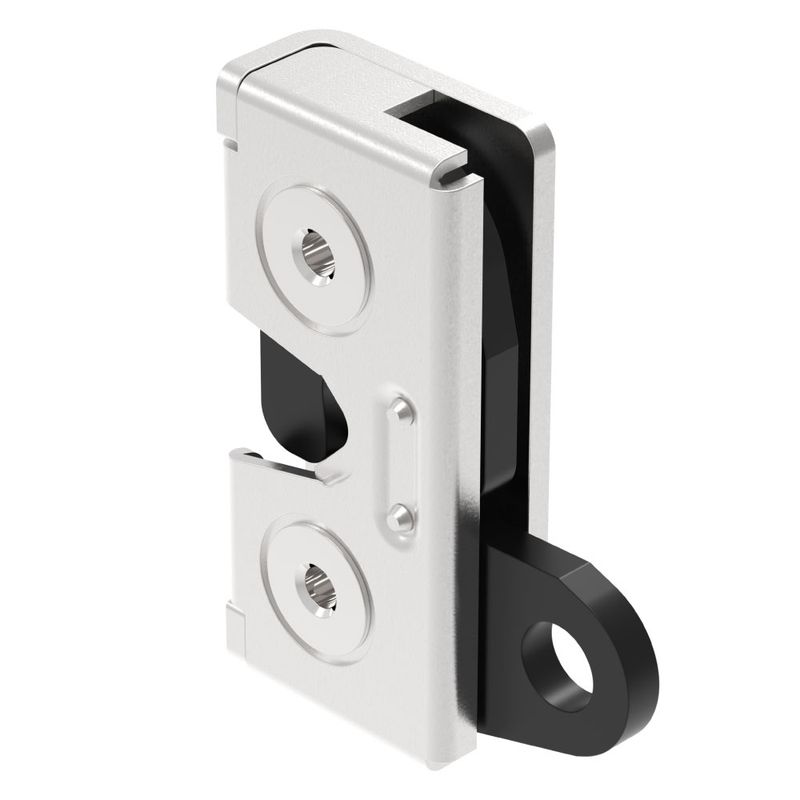
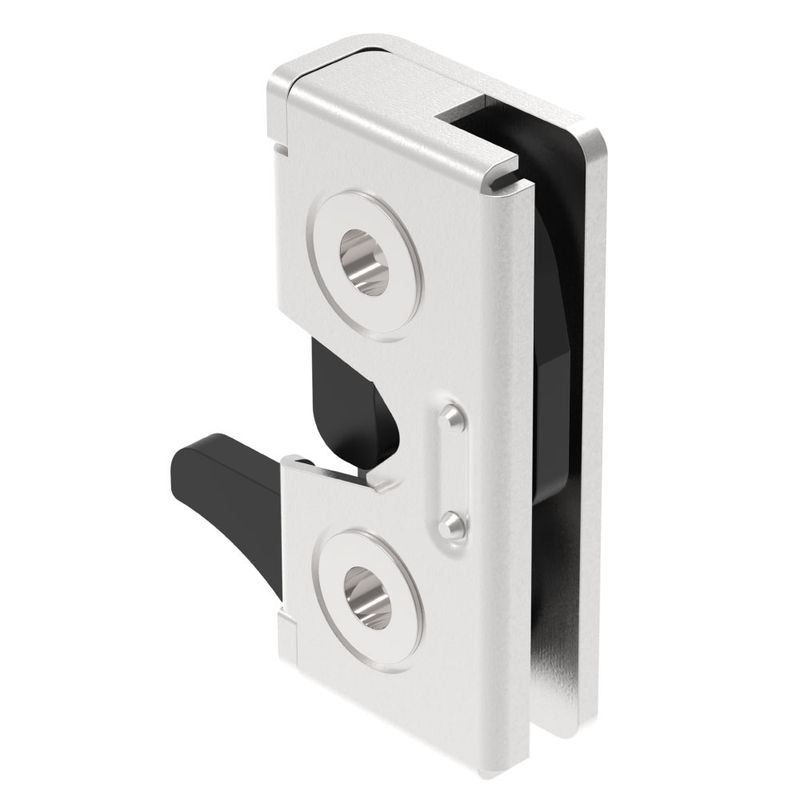
Automotive rotary latches operate through a precise cam-and-pawl mechanism that captures the striker to secure the door under dynamic vehicle loads.
At ForndLock, we approach manufacturing with the fundamental understanding that a latch is never just a simple piece of hardware; it is a critical safety node within the broader vehicle architecture. The mechanical sequence begins when the door swings shut, driving the stationary striker wire into the throat of the latch. This physical contact forces the internal rotor, or cam, to rotate around its pivot point. As the rotor turns, it captures the striker within its specialized geometry. Simultaneously, a spring-loaded pawl drops into a precisely machined notch on the rotor, locking it in place and preventing the striker from escaping.
To ensure maximum safety, rotary latch systems for automotive door closure mechanisms are engineered with a mandatory two-stage locking protocol. The first stage, known as the secondary latching position, acts as a fail-safe. If the door is not closed with sufficient force to fully engage the mechanism, the pawl catches the first notch on the rotor, keeping the door loosely secured rather than allowing it to fly open while the vehicle is in motion. When full closing force is applied, the pawl drops into the primary latching position, fully securing the door against the weather seals and structural frame. The geometric relationship between the rotor's pivot point, the pawl's engagement angle, and the striker's diameter dictates the overall operational smoothness and holding strength of the entire assembly.
What Are The FMVSS Safety Standards?
FMVSS regulations mandate that the closure mechanism must withstand specific longitudinal and transverse forces without releasing during sudden impacts.
Automotive safety standards dictate strict performance thresholds to protect occupants during crash scenarios. Under these regulations, the primary latching position must be capable of withstanding a longitudinal load of approximately 11,000 Newtons and a transverse load of 9,000 Newtons without the striker separating from the rotor. Furthermore, the secondary latching position must sustain longitudinal and transverse loads of at least 4,500 Newtons.
During the research and development phase, our engineering teams rigorously test these limits using advanced tensile testing machines. We subject prototype Rotary Latch Systems to extreme pull forces, simulating the violent inertia and structural deformation that occurs during high-speed collisions. These tests ensure that the chassis of the latch will not deform and the pawl will not slip out of its locking notch even when the surrounding vehicle frame twists. Compliance with these standards is not merely a regulatory checkpoint but a fundamental baseline for structural integrity in any moving vehicle.
How Is Kinematic Motion Controlled?
Kinematic motion is controlled by optimizing the engagement angle and spring tension to ensure smooth closure without excessive slamming force.
Achieving the perfect balance between user ergonomics and mechanical security is a delicate engineering task. If the torsion springs controlling the pawl and rotor are too stiff, the user must slam the door violently to overcome the mechanical resistance, which can damage surrounding components over time. If the springs are too weak, the mechanism risks failing to fully engage the primary locking position, leading to safety hazards.
We manage this kinematic motion by carefully calculating the rotational friction and spring rates. The geometry of the rotor's leading edge is machined to a specific angle that guides the striker inward with minimal resistance. Additionally, precise geometric tolerances are maintained throughout the assembly process to prevent door bounce, a phenomenon where the kinetic energy of the closing door causes it to rebound off the weather stripping before the pawl has enough time to drop into the primary notch. By tuning the internal kinematics, the mechanism absorbs the closing energy efficiently, resulting in a solid, satisfying closure with minimal physical effort.
ForndLock: Stainless Steel Rotary Latch System
Why Do Automotive Door Latches Fail?
Door latches typically fail due to prolonged exposure to high-frequency road vibrations, inadequate lubrication, or poorly matched striker tolerances.
Even the most robustly designed Rotary Latch Systems can degrade over time when subjected to harsh environmental realities. Standard mechanisms often succumb to the intrusion of fine silica dust, corrosive road salts, and moisture. These contaminants mix with factory-applied lubricants, creating an abrasive paste that accelerates wear on the internal pivot points of the cam and pawl. As these critical metal surfaces wear down, the precise engagement angles are altered, leading to a dangerous condition known as false latching.
False latching occurs when the door appears and feels closed to the operator, but the primary pawl is resting on the edge of the locking notch rather than fully seated inside it. A sudden jolt or chassis flex can dislodge the pawl, causing the door to spring open unexpectedly. Furthermore, extreme temperature fluctuations cause the metal components and surrounding weather seals to expand and contract, which can misalign the striker in relation to the latch throat, forcing the mechanism to absorb unintended torsional stresses during every closure cycle.
How Does Vibration Affect Latch Engagement?
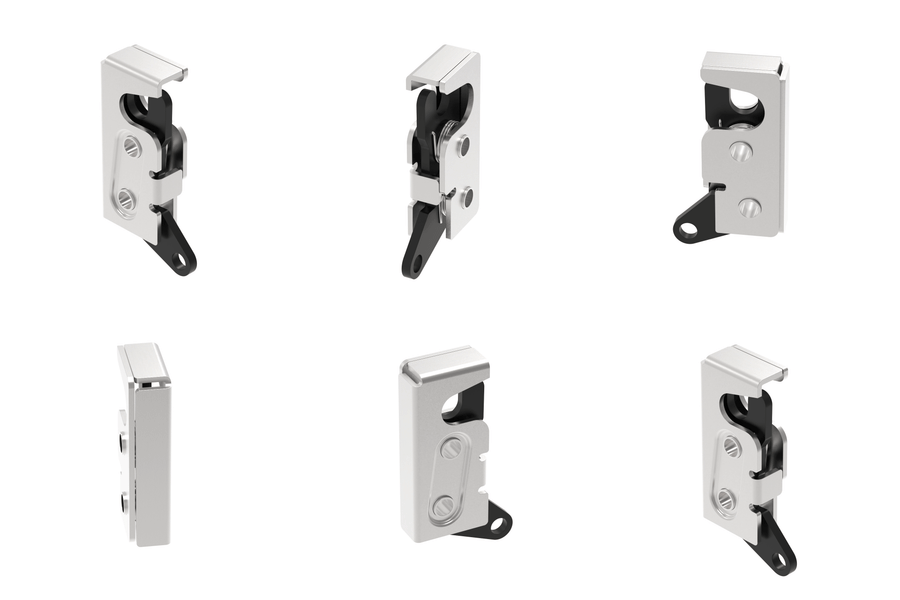
Continuous vibration causes micro-fretting between the pawl and rotor, gradually degrading the locking geometry and leading to premature release.
Vehicles in motion generate a constant spectrum of high-frequency vibrations that travel directly through the chassis and into the door hardware. When a latch is in the closed position, the pawl and rotor are under tension, pressed tightly against each other. However, road vibrations cause microscopic, repetitive movements between these two metal surfaces.
This relentless friction, known as micro-fretting, slowly shaves away the hardened surface layer of the metal components. Over millions of microscopic cycles, the sharp, precise corner of the locking notch becomes rounded. As the geometry degrades, the clearance gap between the components widens. This increased tolerance allows the door to rattle against its frame, which in turn amplifies the kinetic energy impacting the latch during driving. Eventually, the rounded edges fail to hold the necessary tension, and the mechanism reaches a critical failure point where a simple pothole can trigger an accidental release.
How Can Manufacturers Prevent Micro-Movement?
Manufacturers eliminate micro-movement by integrating rubber bumpers and designing two-stage locking rotors that maintain constant tension against the striker.
Mitigating the destructive forces of vibration requires proactive manufacturing strategies that address metal-to-metal contact. At ForndLock, our approach involves engineering internal buffers that absorb kinetic energy before it can cause fretting. We frequently utilize over-molded rotors, where a specialized elastomeric material is bonded directly to the metal cam. This rubberized surface grips the striker tightly, dampening high-frequency vibrations and eliminating the rattling noises that plague inferior designs.
Additionally, utilizing a precision-stamped chassis ensures that the internal components remain perfectly aligned, preventing lateral play that contributes to wear. Another critical factor is the specification of the striker itself. Selecting the exact striker diameter to match the latch throat perfectly ensures there is zero dead space when the mechanism is locked. When the striker is held under constant, buffered tension, micro-movement is virtually eliminated, exponentially extending the operational lifespan of the closure system.
What About Industrial Enclosure Load Ratings?
Selecting the correct load rating requires calculating both the static weight of the door and the dynamic forces applied during operation.
While automotive applications primarily focus on crash safety and vibration, heavy-duty industrial applications introduce a different set of mechanical demands. Procurement teams sourcing hardware for massive generator enclosures, commercial HVAC cabinets, or heavy machinery compartments must navigate complex load requirements. Understanding how to select rotary latch load ratings for industrial enclosures is critical to preventing structural failure in environments where heavy doors act as massive levers against their hinges and locking points.
In the industrial sector, engineers must differentiate between the working load limit and the ultimate failure load. The working load limit represents the maximum continuous stress the mechanism can handle while operating smoothly and returning to its original state without permanent deformation. The ultimate failure load is the absolute breaking point where the chassis tears or the pawl shears off. Relying solely on the ultimate failure load for specification is a common engineering mistake; industrial latches must be specified based on their ability to repeatedly handle working loads without compromising the integrity of the enclosure's environmental seal.
How Are Dynamic Loads Calculated?
Dynamic loads are calculated by multiplying the enclosure door's mass by the maximum anticipated acceleration or shock forces in the operating environment.
Evaluating static weight is merely the first step in the load calculation process. A heavy steel acoustic door on a mobile generator may weigh fifty kilograms statically, but when that generator is transported over rough terrain, or when high-velocity wind gusts catch the open door, the forces exerted on the closure mechanism multiply rapidly. Knowing exactly how to select rotary latch load ratings for industrial enclosures requires a comprehensive assessment of these dynamic multipliers.
Engineers must account for environmental acceleration factors. For outdoor enclosures, wind load calculations based on the surface area of the door are essential. For machinery enclosures, the harmonic vibration of internal diesel engines or heavy stamping presses must be factored into the dynamic load profile. By establishing a baseline static load and applying a safety multiplier based on the specific industrial environment, procurement teams can accurately specify a mechanism that will maintain compression on the enclosure's weather seals under the most extreme operational conditions.
Which Material Handles High Stress Best?
High-strength carbon steel with zinc-nickel plating offers the best balance of structural rigidity and corrosion resistance for high-stress industrial applications.
Material selection is paramount when specifying hardware for environments that demand exceptional yield strength. While austenitic stainless steel is frequently praised for its inherent resistance to rust and chemical corrosion, it often possesses a lower yield strength compared to specialized carbon steels. In applications where dynamic loads are exceptionally high, stainless steel components may stretch or deform under tension, leading to a loss of seal compression or a jammed mechanism.
Heat-treated carbon steel provides the immense structural rigidity required to resist deformation under heavy industrial loads. To overcome carbon steel's vulnerability to oxidation, advanced surface treatments are applied. We utilize robust zinc-nickel plating processes that provide hundreds of hours of salt spray resistance, far exceeding standard zinc plating. This combination allows the mechanism to deliver the sheer mechanical strength of heat-treated steel while effectively surviving prolonged exposure to rain, salt, and industrial chemicals, thereby extending the lifecycle of the hardware in harsh settings.

How Does ForndLock Solve Complex Challenges?
We solve complex closure challenges by combining decades of manufacturing expertise with rigorous finite element analysis to deliver tailored latching solutions.
Navigating the complexities of high-stress closure mechanisms requires more than simply browsing a catalog of off-the-shelf parts. Partnering directly with a dedicated manufacturer rather than a third-party distributor grants engineering teams access to deep technical resources and rapid problem-solving capabilities. Our facility integrates in-house tooling, advanced computer-aided design, and comprehensive quality control processes under one roof.
Before a physical prototype is ever cut, our engineers utilize finite element analysis to simulate how specific rotary latch systems for automotive door closure mechanisms will behave under localized stress points. By digitally applying longitudinal and transverse loads, we identify potential failure zones and optimize the thickness of the chassis or the geometry of the pawl. This seamless transition from digital simulation to rapid physical prototyping allows us to iterate custom designs quickly, ensuring that the final manufactured product precisely matches the unique mechanical parameters of the client's application.
What Was The European Client's Problem?
A European heavy-duty vehicle manufacturer struggled with latch failures in extreme cold environments where standard mechanisms would freeze and jam.
We recently collaborated with a prominent manufacturer of off-highway construction vehicles based in Northern Europe. Their equipment operates in some of the most brutal winter conditions on the planet, frequently enduring sustained temperatures well below freezing. The client was experiencing a critical failure rate with their existing door hardware during the winter months.
The core issue stemmed from moisture ingress. Melted snow and condensation would seep into the standard latch chassis during operation. When the temperature plummeted overnight, this trapped moisture froze solid around the internal pawl spring. As a result, when operators arrived for their shifts, the mechanism was paralyzed. The pawl could not engage the rotor, making it impossible to secure the heavy cabin doors. This not only caused severe operational downtime on construction sites but also posed a significant safety risk to operators who could not properly seal their heated cabins against the freezing environment.
How Did Custom Engineering Improve Reliability?
By redesigning the rotor profile and applying specialized low-temperature lubricants, we completely eliminated the freezing issue and improved lifecycle durability.
Our engineering team immediately analyzed the failed samples and initiated a custom redesign tailored specifically for sub-zero environments. The first step was to upgrade the internal tension spring to a specialized cold-resistant alloy that maintains its elasticity and structural integrity even at extremely low temperatures. Next, we engineered a partially sealed housing configuration that significantly restricted the pathways where moisture could enter the critical pivot points.
To address the freezing of moving parts, we replaced the standard factory grease with a high-performance, low-temperature synthetic lubricant formulated to resist viscosity changes and repel water. We also slightly modified the rotor's engagement profile to allow for greater mechanical leverage, ensuring the mechanism could break through any minor surface ice that might form. Following a severe winter testing cycle in the client's environmental chambers, the custom solution reported a zero percent failure rate. The improved reliability prompted the manufacturer to standardize our custom hardware across their entire fleet of cold-weather vehicles.
Neutral Salt Spray Test for ForndLock Rotary Locks
Ready To Discuss Your Custom Project?
Partnering with an experienced manufacturer ensures your closure mechanisms meet strict safety standards while optimizing assembly efficiency.
Specifying the correct hardware is a critical responsibility that directly impacts user safety, equipment longevity, and overall brand reputation. Whether you are engineering complex rotary latch systems for automotive door closure mechanisms or navigating the variables of how to select rotary latch load ratings for industrial enclosures, relying on standard, off-the-shelf components often falls short of meeting demanding operational realities. True reliability requires hardware that is purposely matched to your specific dynamic loads, environmental conditions, and kinematic requirements.
We encourage automotive engineers, industrial designers, and procurement teams to leverage our manufacturing capabilities for their next project. Whether you need to validate a current design, require physical samples for environmental testing, or need a completely custom closure solution engineered from the ground up, our technical team is ready to assist. Send your project requirements, CAD drawings, or requests for technical consultation directly to our engineering department at: [email protected].