How to Choose Industrial Locks for High Security Outdoor Facilities?
To secure critical infrastructure, engineers must evaluate environmental threats, material durability, and access control needs before selecting specialized hardware. As a trusted manufacturer, ForndLock provides this comprehensive framework to help you navigate how to choose industrial locks for high security outdoor facilities.
Securing remote and unmonitored infrastructure presents a unique set of engineering challenges that go far beyond standard commercial security requirements. When protecting electrical substations, telecommunication towers, water treatment plants, or railway control cabinets, the stakes are exceptionally high. A single hardware failure can lead to catastrophic grid downtime, severe safety hazards, or massive financial losses. Standard commercial hardware is entirely insufficient for these applications, as it is designed for climate-controlled environments and moderate usage, not the punishing realities of the field.
Procurement officers and OEM project managers frequently search for A Guide to Choosing the Right Industrial Lock because the market is flooded with products that claim to be heavy-duty but fail under actual field conditions. At ForndLock, our decades of manufacturing experience have shown us that true security is a rigorous combination of mechanical strength and environmental resilience. We design, prototype, and manufacture hardware specifically engineered to withstand extreme structural stress and aggressive atmospheric conditions.
This comprehensive resource is designed to serve as your definitive A Guide to Choosing the Right Industrial Lock. By breaking down threat models, mechanism types, and material science, we aim to equip engineers with the technical knowledge required to specify hardware that will perform flawlessly throughout its intended lifecycle.
What Are Primary Outdoor Security Threats?
The primary threats include severe weather degradation, aggressive physical vandalism, and unauthorized access attempts by intruders. Identifying these specific vulnerabilities is the first critical step in specifying the correct hardware for remote sites.
Remote outdoor facilities are inherently vulnerable because they lack the constant human presence and supplementary security layers found in urban commercial buildings. When an engineer evaluates a site, they must account for a compounding threat matrix where environmental wear and tear actively weakens the hardware, making it more susceptible to physical attacks.
Field engineering data routinely indicates a surprising reality regarding remote infrastructure security. While physical attacks capture the most attention, over seventy percent of premature hardware failures at remote sites actually stem from environmental exposure rather than brute force vandalism. When structural integrity is compromised by rust or internal fatigue, the amount of force required to breach the enclosure drops significantly. Therefore, an accurate threat assessment must weigh atmospheric conditions equally with physical security risks.
Understanding this dual-threat environment is essential for procurement teams. Selecting an industrial lock based solely on its theoretical tensile strength is a flawed approach if that same lock will seize up after a single season of heavy rain. The hardware must be evaluated holistically against the specific geographical and human threats present at the installation site.
How Does Extreme Weather Degrade Hardware?
Extreme temperature fluctuations, heavy rain, and ice accumulation cause standard mechanisms to jam, rust, or fail completely. Specialized outdoor hardware uses sealed components and marine-grade materials to prevent this environmental degradation.
The most pervasive enemy of mechanical hardware is moisture ingress. When rain or condensation seeps into the internal cylinder of a standard lock, it initiates a destructive cycle. In freezing temperatures, this trapped moisture expands into ice, exerting immense internal pressure that can warp delicate pins, springs, and shear lines. Once the internal geometry is deformed, the key will no longer operate the mechanism, resulting in a costly maintenance lockout.
Beyond moisture, ultraviolet exposure and airborne particulates pose severe threats to operational longevity. Continuous UV radiation degrades inferior plastic housings and rubber gaskets, causing them to turn brittle and crack. Simultaneously, in arid or high-wind environments, dust storms act as a highly abrasive agent. Microscopic sand particles infiltrate unsealed keyways and moving joints, grinding down metal surfaces with every actuation until the lock mechanism completely seizes.
Why Do Vandals Target Remote Enclosures?
Remote enclosures often house valuable copper wiring, telecom equipment, or critical grids, making them prime targets for opportunistic thieves. Locks must withstand drilling, prying, and heavy impact forces to delay unauthorized entry.
The isolation of outdoor infrastructure provides bad actors with the one resource they need most: time. Without immediate intervention from security personnel, vandals can employ high-leverage tools and sustained physical force vectors to breach an enclosure. Crowbars, heavy-duty bolt cutters, and battery-powered angle grinders are the standard implements used to attack exposed hardware on perimeter gates and utility cabinets.
To counter these sustained attacks, the hardware must be engineered with specific anti-tamper geometries. This includes incorporating hardened anti-drill plates that spin to deflect drill bits away from the lock cylinder. Furthermore, external vulnerabilities must be minimized by using shrouded shackles that prevent bolt cutters from gaining a purchase, and flush-mounted designs that eliminate insertion points for prying tools. The goal of these features is to maximize the time and noise required to breach the facility, thereby deterring the attack entirely.
Which Industrial Lock Types Are Best?
The optimal choice depends on the application, with padlocks for perimeters, cam locks for electrical panels, and rotary latches for heavy machinery doors. Evaluating industrial lock types rated for harsh environment applications ensures you match the mechanism to the exact structural requirement.
There is no universal locking solution for an entire facility. A comprehensive security strategy requires a layered approach, utilizing different mechanical designs tailored to specific structural footprints and access frequencies. Engineers must analyze the kinetic load, the door or gate geometry, and the necessary weather sealing of each access point before specifying the hardware.
When reviewing industrial lock types rated for harsh environment applications, it becomes clear that the internal mechanism must dictate the lock's placement. For instance, a mechanism designed to pull a heavy door tight against a weather seal operates fundamentally differently than a mechanism designed to secure a sliding chain-link gate. Misapplying a lock type—such as using a standard padlock on a delicate electronics cabinet—can lead to poor weather sealing and compromised security.
At ForndLock, we manufacture a diverse portfolio of mechanisms because we understand that OEM clients require precise modularity. By categorizing the hardware based on its mechanical action and structural integration, procurement officers can systematically eliminate incorrect options and focus on the exact industrial lock types rated for harsh environment applications that their specific blueprints demand.

How Do Padlocks Secure Perimeter Fences?
Heavy-duty padlocks provide flexible, robust security for main gates and perimeter fencing when paired with shrouded hasps. They offer immediate visual deterrence and resist bolt-cutter attacks effectively.
The perimeter is the first line of defense, and heavy-duty padlocks remain the most versatile solution for securing chain-link gates, barrier chains, and manual access points. For high-security applications, the shackle material is paramount. Hardened boron alloy or specialized stainless steel shackles provide exceptional resistance to cutting and sawing, significantly outperforming standard brass or carbon steel alternatives.
Equally important is the key control architecture integrated into the padlock. For critical infrastructure, restricted keyways are mandatory to prevent unauthorized key duplication by former employees or contractors. Additionally, key-retaining features—where the key cannot be removed while the padlock is open—ensure that maintenance personnel cannot accidentally leave a perimeter gate unsecured after completing their work.
Why Use Cam Locks For Cabinets?
Cam locks deliver a flush, low-profile security solution ideal for outdoor electrical panels and telecom enclosures. Their quarter-turn mechanism ensures tight compression to keep moisture and dust away from sensitive electronics.
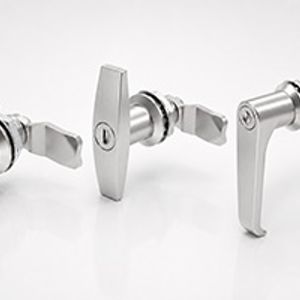
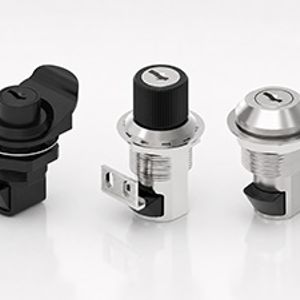
Utility cabinets and telecommunication enclosures require hardware that contributes to the overall weatherproofing of the structure. Cam locks achieve this through a quarter-turn kinetic action that pulls the cabinet door tightly against its internal rubber gaskets. This compression feature is vital for maintaining the internal climate of the enclosure and protecting sensitive circuit boards from atmospheric moisture.
When evaluating industrial lock types rated for harsh environment applications, cam locks are frequently selected for their minimal external footprint. By sitting nearly flush with the cabinet surface, they offer virtually no leverage points for vandals attempting to pry the door open. Manufacturers typically construct these locks from durable zinc alloys finished with advanced anti-corrosion plating, ensuring the mechanism remains smooth and reliable even after years of exposure to the elements.
When Are Rotary Latches Most Effective?
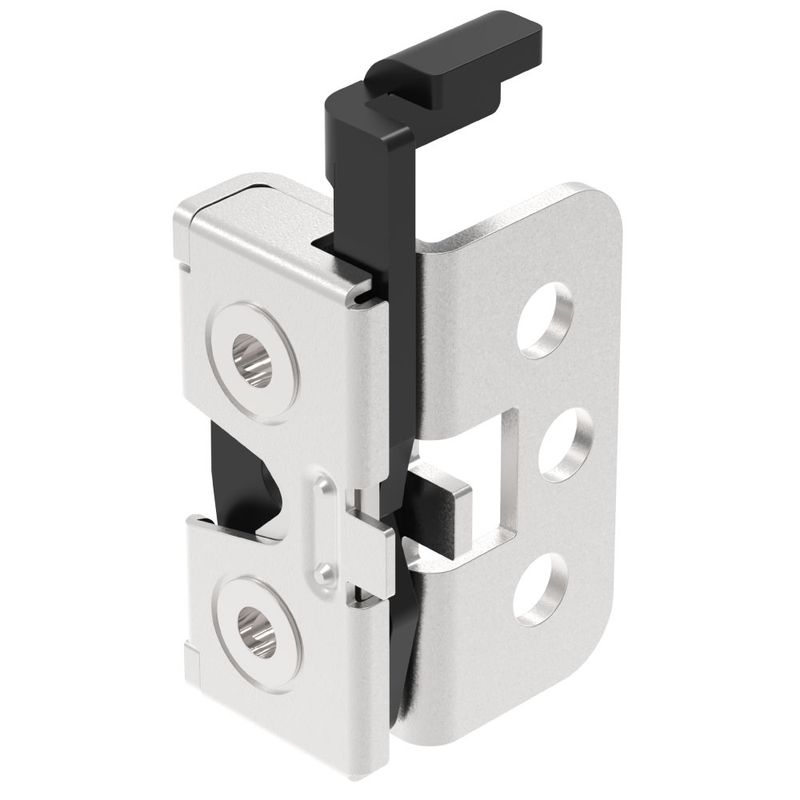
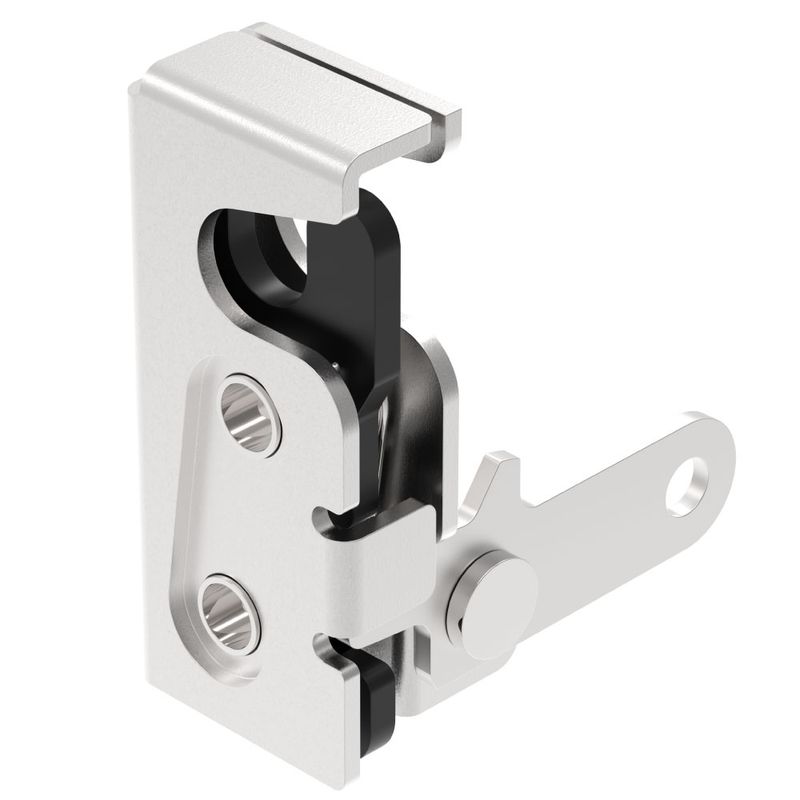
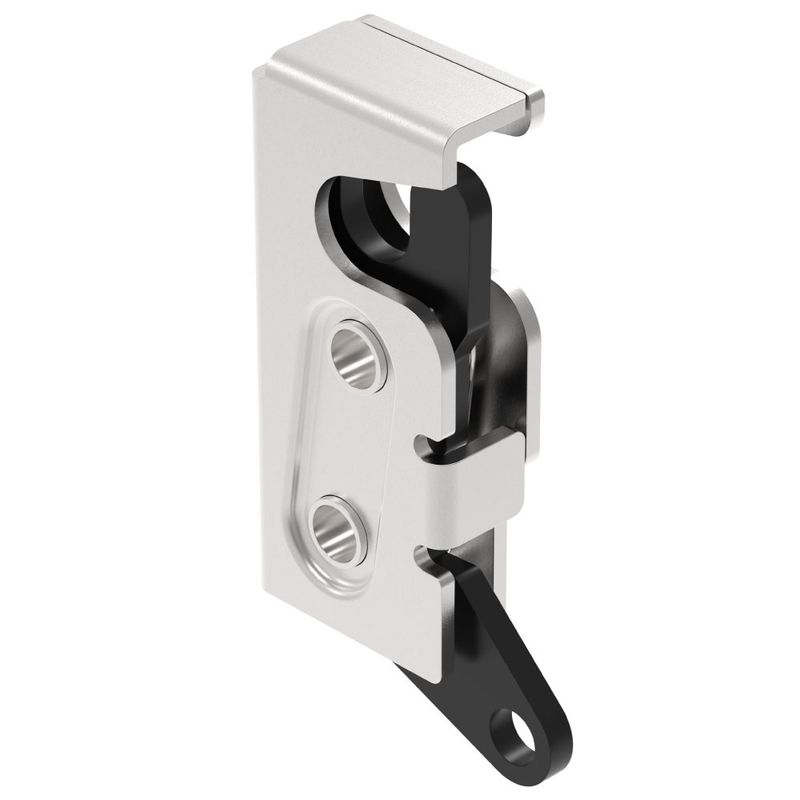
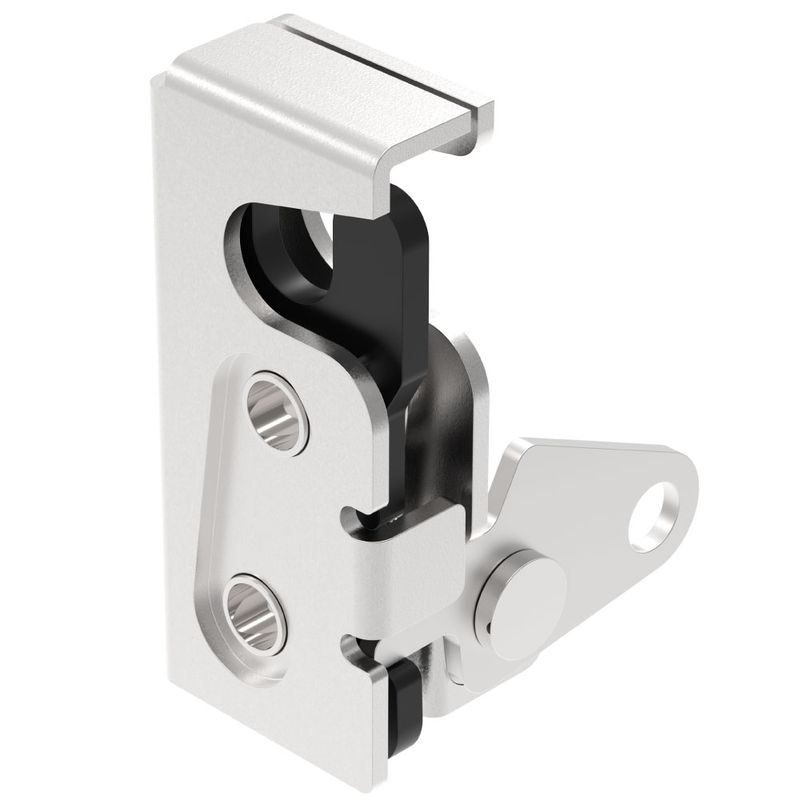
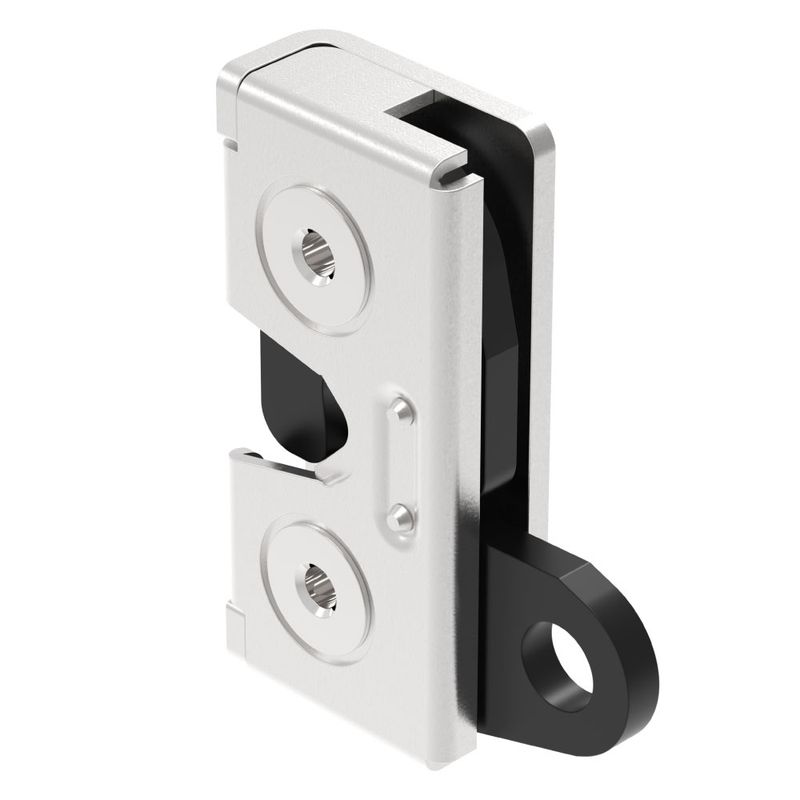
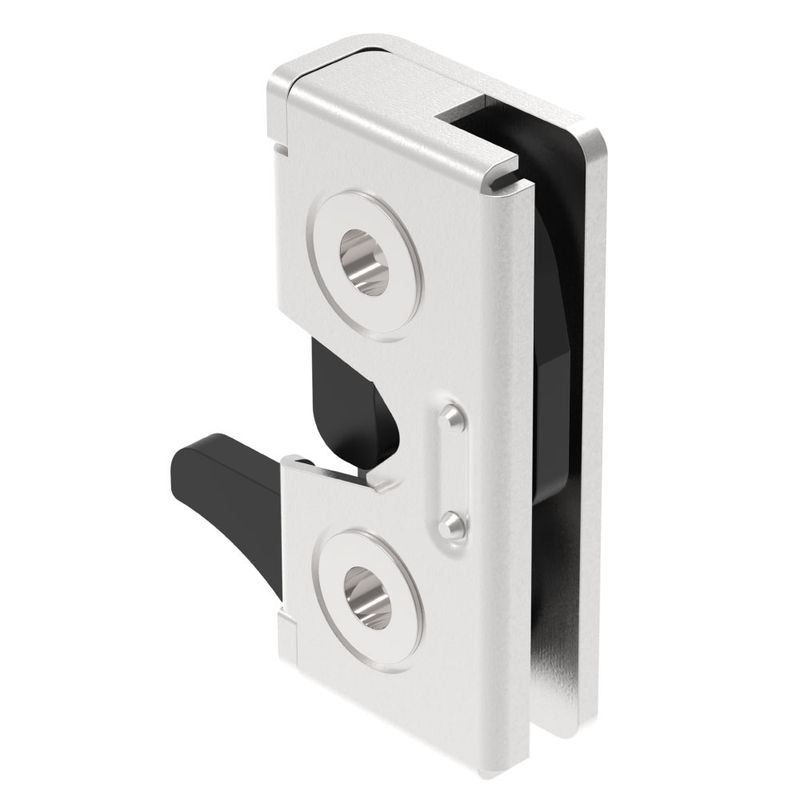
Rotary latches are highly effective for heavy, vibrating doors on outdoor generators or storage containers. They provide multi-point engagement and hidden mounting to prevent tampering and withstand severe structural stress.
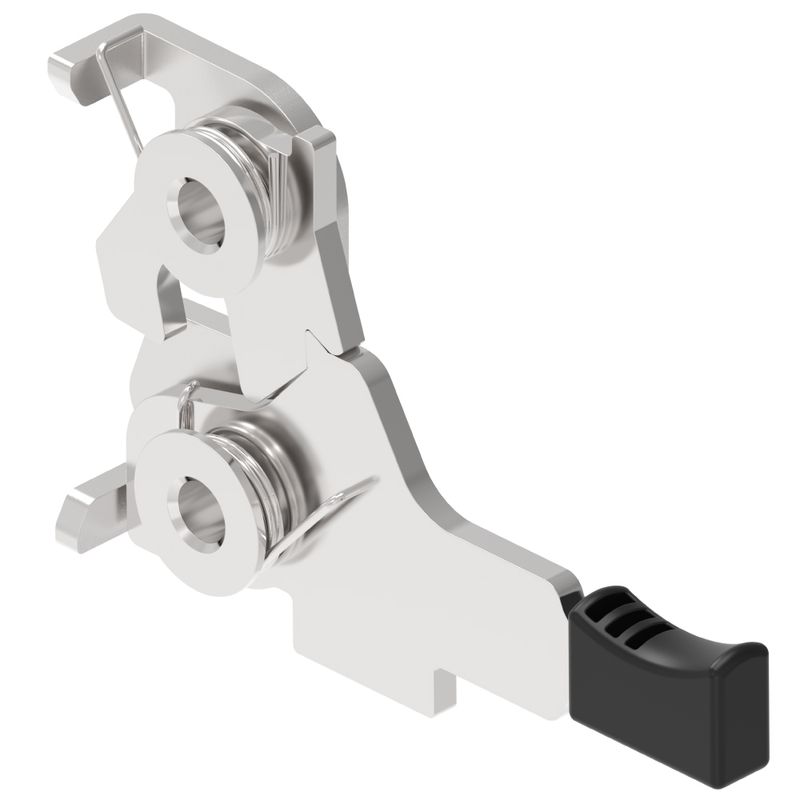
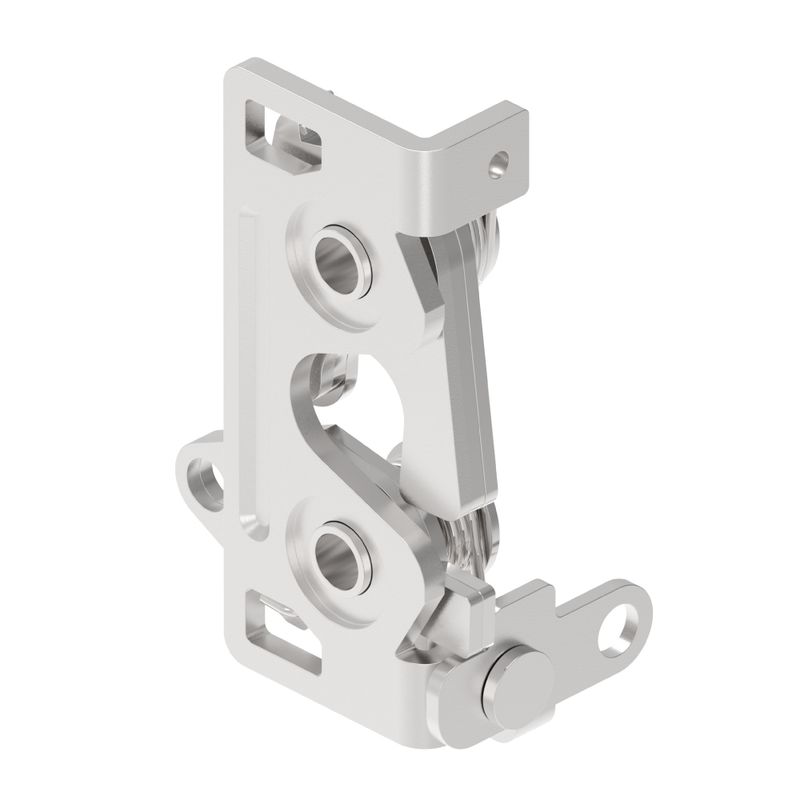
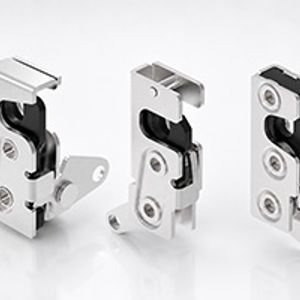
Heavy-duty equipment, such as industrial generators, HVAC units, and large storage containers, generates significant kinetic energy and vibration during operation. Standard latches will rattle loose or suffer metal fatigue under these conditions. Rotary latches solve this by utilizing a robust, multi-point engagement system that securely captures a striker bolt, absorbing kinetic shock and maintaining a rigid hold on heavy doors.
The primary security advantage of rotary latches lies in their concealed mounting architecture. The entire locking mechanism is installed inside the enclosure, completely hidden from the outside. This internal configuration eliminates external pry points and protects the most critical mechanical components from direct atmospheric exposure. Engineers frequently specify these mechanisms when designing heavy machinery enclosures that must endure both active vibration and extreme weather conditions.
How Do Environmental Ratings Ensure Durability?
Standardized environmental ratings like IP and NEMA provide quantifiable proof that a lock will survive moisture, dust, and chemical exposure. Engineers must verify these ratings to guarantee long-term operational reliability in the field.
Mechanical strength is entirely rendered useless if a lock rusts shut or freezes solid. To remove the guesswork from hardware procurement, the engineering community relies on standardized testing frameworks that quantify exactly how much environmental abuse a product can withstand. Without these verifiable ratings, procurement officers are forced to rely on vague marketing claims, which often leads to catastrophic hardware failures in the field.
Understanding the difference between standard indoor metrics and extreme outdoor metrics is crucial. For example, standard indoor hardware might carry an IP44 rating, which merely protects against light splashes of water and large foreign objects. In contrast, extreme outdoor hardware requires stringent ratings to survive heavy rain, snowdrifts, and abrasive dust.
Rating Type | Standard Indoor Metric | Extreme Outdoor Metric | Practical Implication for Hardware |
Ingress (IP) | IP44 (Splashes) | IP67 (Submersion) | Prevents internal cylinder freezing |
Corrosion (ASTM) | 48-hour salt spray | 1000+ hour salt spray | Survives coastal marine environments |
Impact (IK) | IK07 (Light impact) | IK10 (Heavy impact) | Resists sledgehammer and crowbar attacks |
By utilizing this data-driven approach, OEM project managers can align their hardware specifications directly with the atmospheric realities of their deployment sites, ensuring the selected locks will deliver reliable performance year after year.
What Does IP67 Mean For Locks?
An IP67 rating certifies that the lock is completely dust-tight and can withstand temporary submersion in water. This ensures internal springs and pins will not corrode or seize during heavy flooding or torrential rain.
The Ingress Protection numbering system is a critical specification for any outdoor hardware. The first digit represents protection against solid particles, where a "6" indicates the highest possible rating, meaning the lock is entirely vacuum-sealed against microscopic dust and sand. The second digit represents liquid protection, where a "7" dictates that the hardware can be submerged in up to one meter of water for thirty minutes without any harmful ingress.
While an IP65 rating might be sufficient for hardware installed under a protective canopy or overhanging roof, IP67 is absolutely mandatory for fully exposed sites. Capillary action can draw moisture deep into unsealed keyways during heavy rainstorms. By specifying IP67-rated hardware, engineers ensure that specialized O-rings and sealed housings block this moisture, preventing the internal mechanisms from rusting or freezing during severe weather events.
Why Is Corrosion Resistance Crucial Outdoors?
Without high-grade corrosion resistance, salt fog and industrial chemicals will rapidly degrade the lock's structural integrity. Specifying materials like 316 stainless steel or advanced electro-coating prevents premature mechanical failure.
Corrosion is a relentless chemical process that attacks the molecular structure of metal hardware. In coastal regions, airborne salt fog acts as a highly conductive electrolyte, rapidly accelerating galvanic corrosion anywhere dissimilar metals come into contact. Similarly, facilities located near chemical processing plants or heavy industrial zones are exposed to acidic atmospheric pollutants that eat away at standard zinc or nickel plating.
To combat this, manufacturers rely on rigorous material testing, most notably the ASTM B117 salt spray test. This standard subjects hardware to a continuous, dense salt fog to measure how many hours it can survive before red rust appears. At ForndLock, our engineering protocols dictate the use of premium materials like 316 stainless steel, which contains molybdenum to drastically enhance resistance to chlorides and industrial solvents, ensuring the hardware remains structurally sound in the most corrosive environments imaginable.
How Did ForndLock Solve Real Challenges?
By engineering a custom, weather-sealed rotary latch system, ForndLock successfully eliminated unauthorized access and rust failures for an energy sector client. This real-world application demonstrates how tailored manufacturing directly resolves complex outdoor security threats.
Theoretical specifications and laboratory testing are important, but true manufacturing authority is proven in the field. Standard off-the-shelf products often force engineers into a compromise, asking them to choose between high security or high weather resistance. However, critical infrastructure projects frequently demand absolute perfection in both categories simultaneously.
When standard hardware fails to meet these dual requirements, OEM clients turn to specialized manufacturers capable of rapid prototyping and custom engineering. At ForndLock, we approach these challenges not just as hardware suppliers, but as problem-solving engineering partners. We delve deep into the client's operational workflows, environmental data, and structural blueprints to identify exactly why previous solutions failed.
The following case study illustrates our comprehensive approach to custom manufacturing. By taking control of the entire process from initial CAD design to final metallurgical testing, we provide tailored solutions that permanently resolve the specific vulnerabilities of high-stakes outdoor infrastructure.
What Was The Initial Client Challenge?
The energy provider experienced repeated hardware failures on their remote wind turbine enclosures due to severe coastal salt spray and freezing temperatures. Standard off-the-shelf locks were rusting within months, leading to maintenance lockouts and security vulnerabilities.
A major renewable energy provider operating offshore and coastal wind farms in Northern Europe faced a critical operational crisis. The base enclosures of their wind turbines housed highly sensitive diagnostic equipment and high-voltage routing systems. Due to the extreme coastal environment, characterized by relentless salt spray, high winds, and frequent freezing rain, the standard commercial latches they initially installed were failing at an alarming rate.
Within just a few months of installation, galvanic corrosion was welding the internal mechanisms shut. When maintenance crews were dispatched via helicopter or boat for routine inspections, they found themselves completely locked out of the enclosures. The financial impact was staggering; the cost of dispatching specialized cutting crews to breach the rusted locks, followed by the cost of replacing the hardware and repairing the damaged doors, was destroying the client's maintenance budget and leaving the turbines temporarily vulnerable to unauthorized access.
How Did Our Solution Improve Reliability?
ForndLock engineered a custom 316 stainless steel compression latch with integrated IP67 weather sealing and anti-drill components. This upgrade resulted in zero lock failures over the subsequent harsh winters, drastically reducing the client's maintenance costs.
Upon reviewing the failed hardware, ForndLock's engineering team determined that a complete material and mechanical overhaul was necessary. We initiated a rapid prototyping phase, utilizing 3D modeling to design a new compression rotary latch that matched the exact footprint of the turbine doors, ensuring the client would not have to modify their existing structural panels.
We machined the custom prototypes entirely from marine-grade 316 stainless steel to combat the coastal salt fog. To address the freezing issue, we integrated a proprietary IP67-rated silicone gasket system that hermetically sealed the internal actuation points, completely blocking moisture ingress. Furthermore, we reinforced the external housing with hardened anti-drill plates to elevate the physical security posture of the remote sites. After subjecting the prototypes to over one thousand hours of rigorous salt spray testing in our facilities, the hardware was deployed across the client's coastal grid. The result was immediate and profound: the client reported zero hardware failures or maintenance lockouts over the next several harsh winters, proving the immense value of custom-engineered industrial solutions.
How Do You Finalize Procurement Decisions?
Finalizing your procurement requires aligning environmental data, structural blueprints, and security threat levels into a cohesive hardware specification. Partnering directly with an experienced manufacturer ensures your chosen locks meet every stringent project requirement.
Navigating how to choose industrial locks for high security outdoor facilities is ultimately an exercise in risk mitigation. Procurement officers and project engineers must work collaboratively to ensure that the hardware selected on paper translates to reliable, long-term performance in the field. This requires moving beyond a simple cost-per-unit analysis and embracing a total lifecycle value approach.
A successful procurement strategy involves creating a strict mental checklist before any purchase orders are signed. Does the proposed hardware have verifiable third-party environmental ratings? Are the materials metallurgically appropriate for the specific geographical deployment? Does the locking mechanism match the kinetic realities of the heavy doors or gates it will secure? Answering these questions accurately is what separates resilient infrastructure from vulnerable targets.
By treating security hardware as a critical engineering component rather than a generic consumable, organizations can drastically reduce their long-term maintenance overhead. Partnering with a dedicated manufacturer like ForndLock allows you to bypass the limitations of catalog ordering and gain direct access to the metallurgical expertise and custom design capabilities necessary for true critical infrastructure protection.
What Specs Should Engineers Prioritize First?
Engineers must prioritize material grade and IP ratings first to ensure environmental survival, followed closely by the mechanical load capacity and anti-tamper features. Balancing these specifications guarantees the hardware will perform reliably under both daily use and active attacks.
When reviewing technical data sheets, the base material composition must be the very first specification evaluated. If a lock is destined for an outdoor facility, anything less than high-grade stainless steel, hardened boron alloys, or heavily electro-coated zinc should be immediately disqualified. Following material selection, verifying the IP65 or IP67 rating ensures the internal mechanisms are shielded from the specific atmospheric threats of the site.
Once environmental survival is guaranteed, the focus must shift to structural compatibility. Engineers need to match the lock's physical footprint and load-bearing capacity to the facility's existing blueprints. A lock with exceptional anti-tamper features is useless if its installation weakens the structural integrity of the cabinet door or perimeter gate it is meant to protect.
How Can You Start Custom Projects?
To ensure your outdoor infrastructure is fully protected by the correct hardware, our engineering team is ready to review your specific requirements. Send your project details, technical drawings, or requests for custom samples directly to [email protected].
Protecting high-value outdoor facilities requires precision engineering and uncompromising manufacturing standards. If standard catalog options are failing to meet your environmental or security demands, it is time to leverage specialized manufacturing capabilities. Our team at ForndLock is equipped to guide you through every step of the specification, prototyping, and production process.
Whether you require a minor modification to an existing latch mechanism or a completely custom hardware solution designed from the ground up, we have the technical expertise to deliver. Do not leave the security of your critical infrastructure to chance. Reach out to our engineering department today by sending your project details, CAD drawings, or requests for custom samples directly to [email protected].