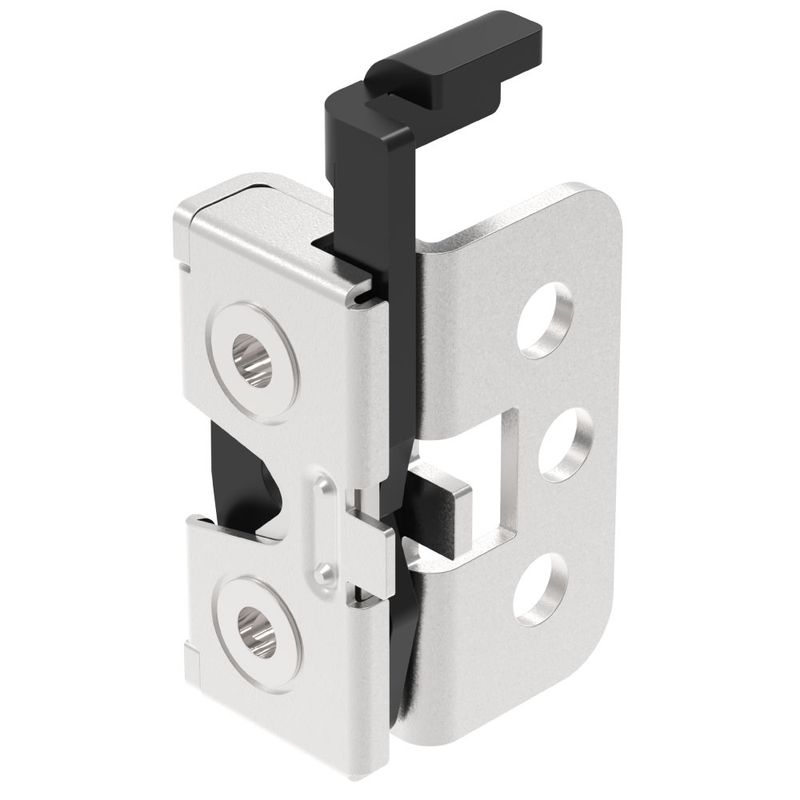
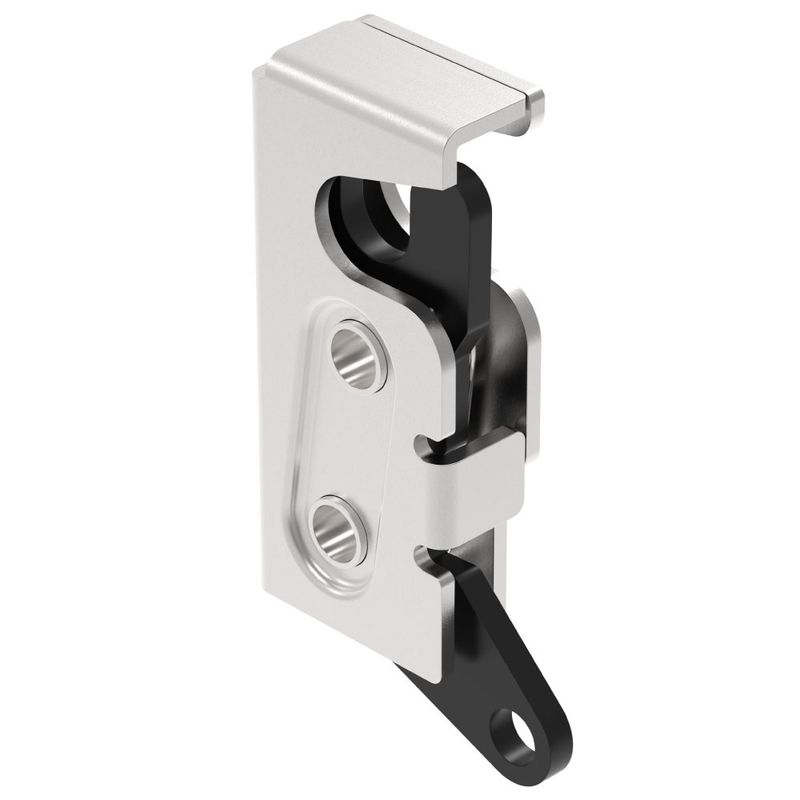
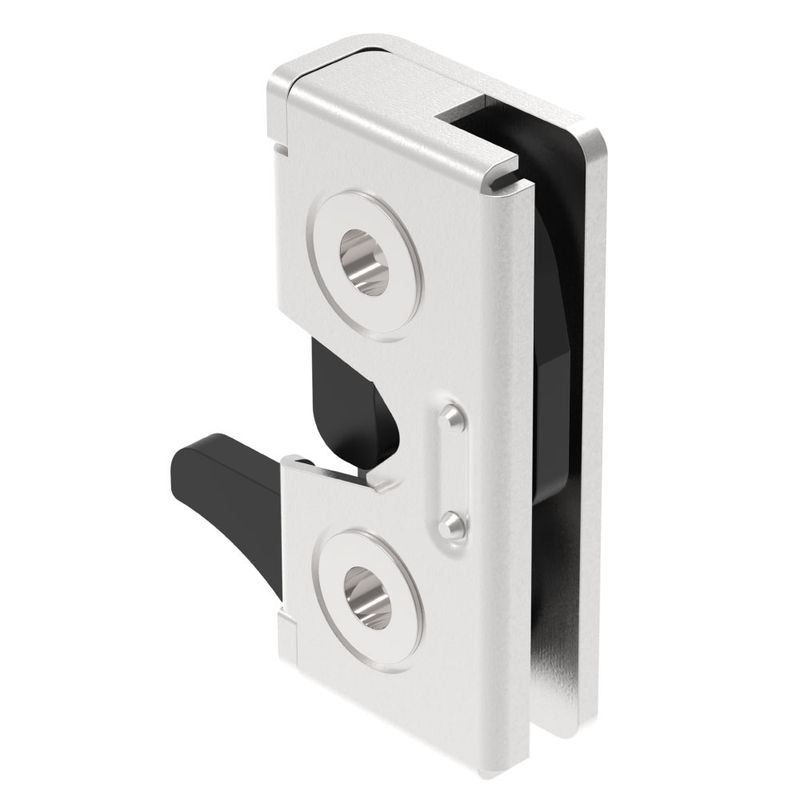
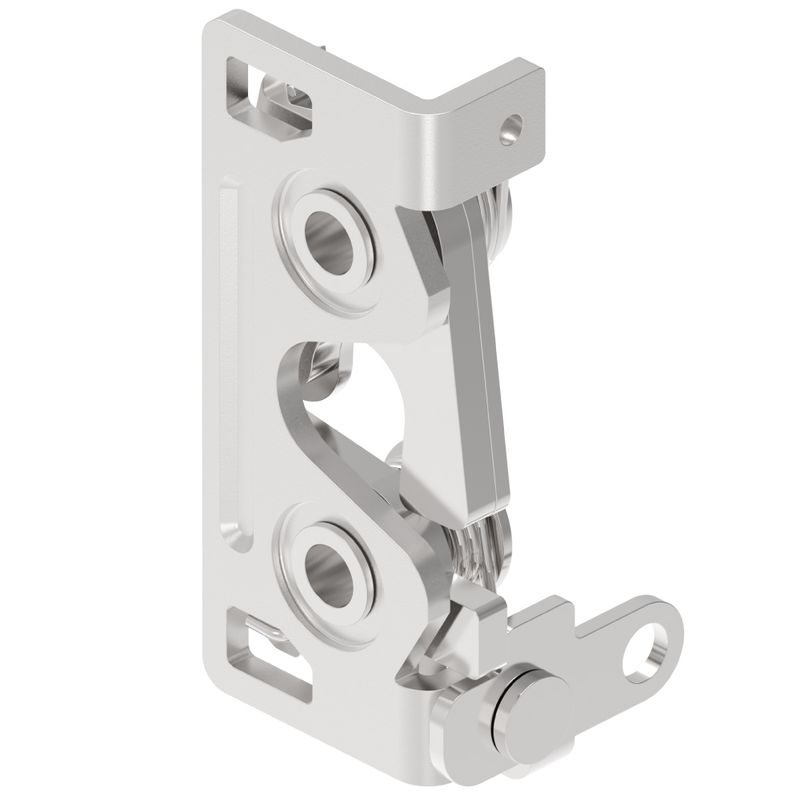
How to Select a Heavy Duty Rotary Latch for Truck Toolbox Lid?
Engineers, procurement managers, and commercial vehicle original equipment manufacturers constantly face complex challenges when selecting industrial locks, latches, hinges, handles, and access hardware. The critical issues in industrial and OEM projects rarely involve standard functionality; they arise from extreme field conditions, environmental stresses, and operational demands. Professionals must navigate strict installation compatibility requirements, achieve optimal sealing performance against the elements, and ensure absolute waterproof and dustproof capabilities. Furthermore, preventing rapid corrosion, surviving continuous high-vibration environments, determining the precise metallurgical composition of materials, minimizing long-term maintenance costs, and managing highly specific custom requirements for reliable bulk delivery are all critical factors that dictate project success or failure. A single point of failure in an access panel can lead to compromised cargo, expensive warranty claims, and significant operational downtime.
Based on ForndLock’s manufacturing experience in industrial locks, latches, hinges, handles, and access hardware, we understand that selecting the right hardware dictates the lifespan of your equipment. The locking mechanism is the primary interface between the user and the protected asset, making its structural integrity paramount. This comprehensive engineering guide will provide clear selection criteria, mechanical insights, and application parameters specifically focused on integrating a heavy duty rotary latch for truck toolbox lid applications, ensuring your procurement decisions align with rigorous industrial demands.
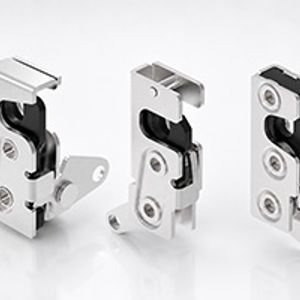
Why Upgrade Your Truck Toolbox Latch?
Upgrading to a specialized heavy duty rotary latch for truck toolbox lid prevents accidental openings during high-vibration transit and protects valuable equipment from theft and harsh weather.
Commercial vehicles operate in environments that are fundamentally hostile to mechanical components. Generic hardware might suffice for stationary storage cabinets, but a mobile toolbox is subjected to a unique matrix of dynamic forces. When a truck travels over uneven terrain, the chassis flexes, transferring massive amounts of kinetic energy directly into the storage compartments. If the latching mechanism is not specifically engineered to absorb and dissipate this energy, the structural integrity of the entire storage unit is compromised. Upgrading to specialized heavy duty hardware ensures that the locking engagement remains secure regardless of the external environmental stressors or internal load shifting.
What Causes Standard Latches to Fail?
Standard latches typically fail because their internal springs and striker pins cannot withstand the continuous mechanical shock and thermal cycling of commercial trucking routes.
The physics of automotive transportation dictate that any component attached to a vehicle chassis will experience a wide spectrum of vibration frequencies. Standard commercial latches are generally manufactured using thinner stamped metals and lower-tension return springs. As kinetic energy from the road transfers through the truck body into the toolbox, these lightweight internal components experience rapid micro-movements. Over thousands of miles, this constant friction leads to severe metal fatigue. The engagement jaws begin to wear down, increasing the tolerance gap between the latch and the striker pin.
Once this gap widens, the toolbox lid begins to rattle, which exponentially accelerates the degradation of the locking mechanism. Furthermore, standard hardware rarely accounts for the extreme thermal cycling experienced by outdoor industrial equipment. As temperatures fluctuate from freezing nights to scorching afternoons, the dissimilar metals in cheaper latches expand and contract at different rates. This thermal stress can cause internal binding, leading to a situation where the latch either refuses to open or, far worse, fails to securely engage when closed. The lack of a robust secondary locking stage in standard latches means that a single mechanical failure instantly results in an open door and potentially lost cargo.
How Does Heavy Duty Construction Help?
Heavy duty construction utilizes thicker gauge metals and reinforced cam mechanisms to absorb kinetic energy without deforming the latch body.
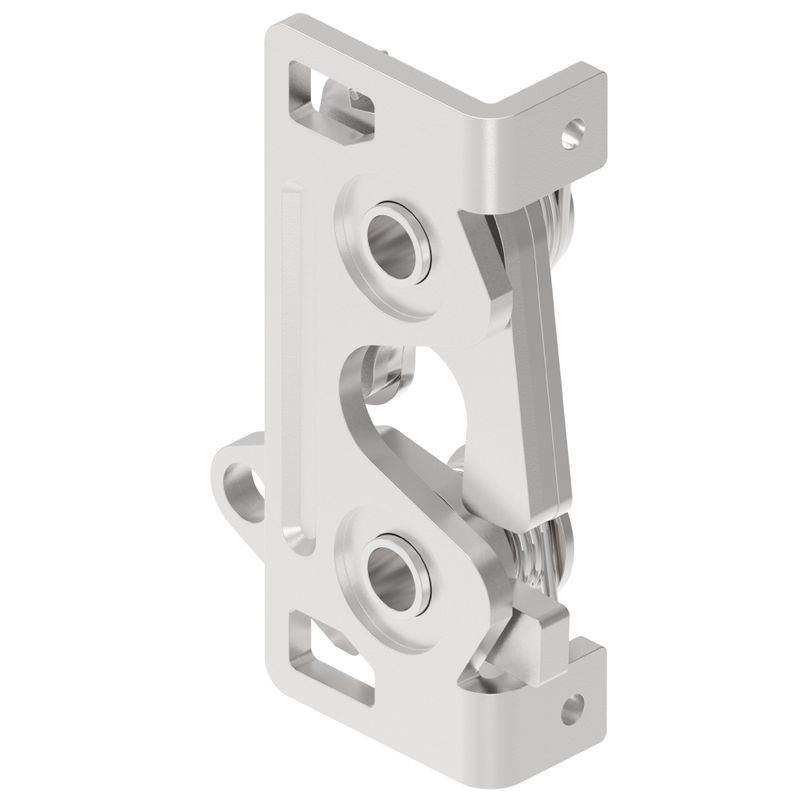
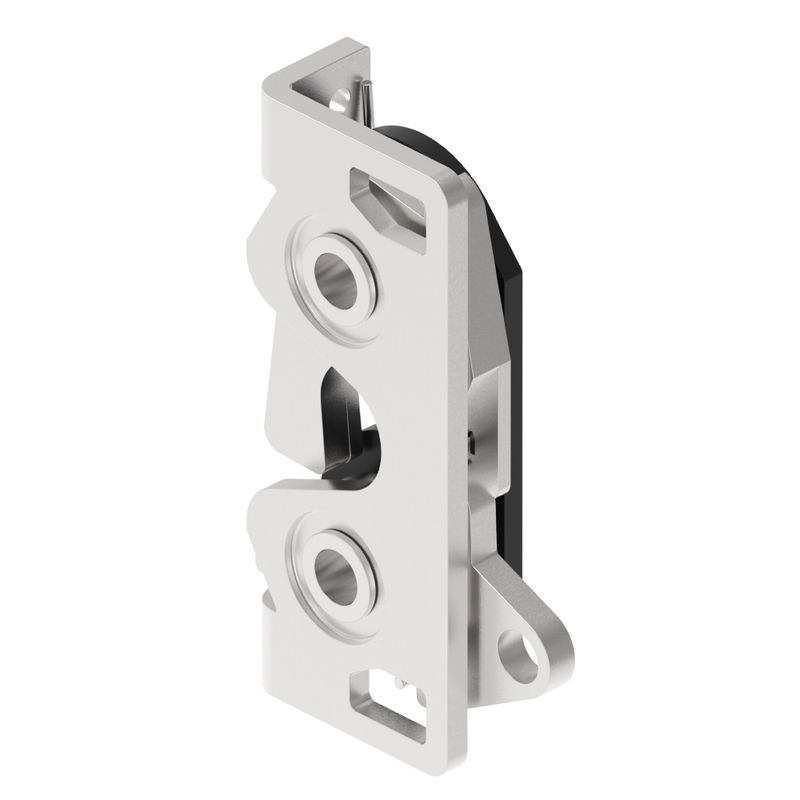
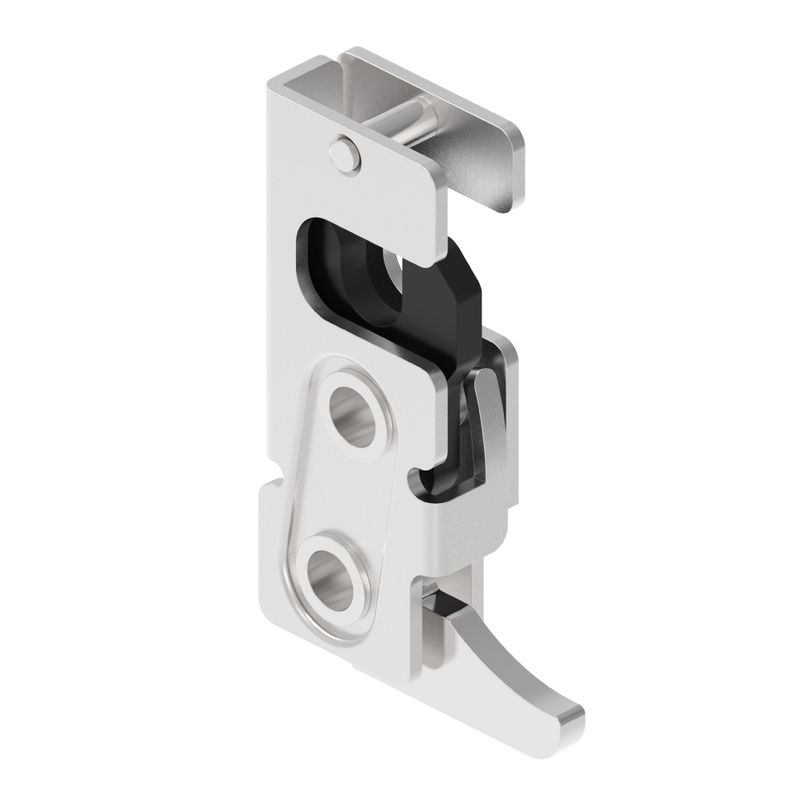
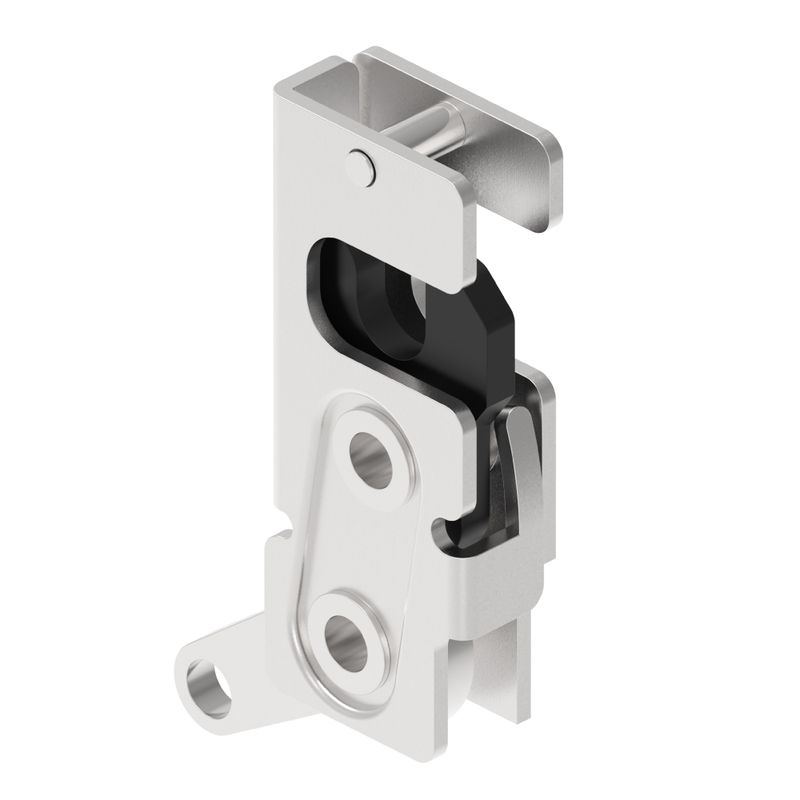
A true heavy duty rotary latch for truck toolbox lid is engineered from the ground up to counteract the specific destructive forces found in mobile applications. The primary difference lies in the material thickness and the architectural design of the internal rotor and catch. By utilizing heavy-gauge carbon steel or premium stainless steel, the latch body gains immense torsional rigidity. When heavy tools shift inside the compartment and strike the interior of the door during a sudden stop, this rigid housing prevents the internal mechanism from warping or separating.
Moreover, heavy duty construction incorporates precision-machined pivot pins and high-tensile torsion springs. These upgraded springs ensure that the rotary jaws snap shut with authoritative force and maintain a tight grip on the striker bolt even when subjected to intense vertical and lateral vibrations. Many of these specialized latches also feature a two-stage engagement system. If the door is not slammed completely shut, the primary catch will still capture the striker, preventing the door from flying open on the highway. This redundancy is a hallmark of industrial-grade engineering, providing an essential safety margin for fleet operators and commercial vehicle manufacturers.
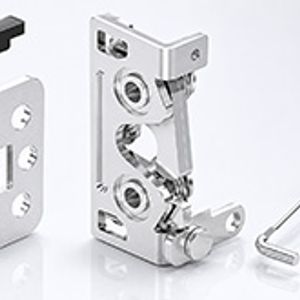
What Are Key Installation Specifications?
The key installation specifications revolve around the striker engagement depth, panel thickness compatibility, and the integration of automotive-grade gaskets for optimal weatherproofing.
Designing a secure storage compartment requires more than just selecting a strong lock; it demands a holistic approach to the physical integration of the hardware. Procurement teams and engineers must evaluate how the latch will mount to the door panel, how it will interact with the surrounding frame, and what modifications are necessary to accommodate the mechanism's footprint. Ignoring these dimensional specifications during the prototyping phase inevitably leads to costly manufacturing delays and suboptimal product performance in the field.
How to Ensure Perfect Lid Alignment?
Perfect alignment is ensured by selecting latches with adjustable striker plates and utilizing 3D CAD modeling during the toolbox design phase.
The relationship between the heavy duty rotary latch for truck toolbox lid and its corresponding striker pin is highly sensitive to dimensional tolerances. If the mounting holes on the door panel are even slightly misaligned with the frame, the rotary jaws will strike the pin at an incorrect angle. This misalignment forces the user to slam the door excessively hard, which damages the hinges and prematurely wears out the latching mechanism. To combat this, engineers must prioritize hardware that offers built-in mechanical adjustability.
Using adjustable striker bolts or slotted mounting plates allows assembly line workers to fine-tune the engagement during the final stages of production. Additionally, modern manufacturing relies heavily on digital integration. By importing exact 3D step files of the latch into the toolbox CAD assembly, design engineers can run interference checks and simulate the swing arc of the door. This digital validation ensures that the latch clears all internal structural gussets and that the striker pin enters the rotary jaws precisely at the designed centerline, guaranteeing smooth operation and maximizing the lifespan of the hardware.
Why Is Sealing Performance So Critical?
Sealing performance is critical because water or dust ingress will corrode expensive industrial tools and compromise the internal locking mechanism over time.
In outdoor industrial applications, the primary function of a toolbox is to create an impenetrable barrier between sensitive equipment and harsh environmental conditions. The heavy duty rotary latch plays a vital role in this barrier by providing the mechanical force necessary to compress the weather stripping along the perimeter of the door. If the latch does not pull the door tightly against the frame, gaps will remain in the rubber gasket.
At highway speeds, wind pressure will force rainwater, road salt, and abrasive dust through these microscopic gaps. Once inside, moisture creates a highly corrosive microclimate that destroys electrical power tools, rusts precision instruments, and ultimately attacks the latch mechanism from the inside out. Therefore, calculating the required closing force of the latch in relation to the compression ratio of the selected automotive-grade EPDM gasket is a fundamental engineering requirement. A properly specified latch will feature an over-center drawing action that pulls the door inward during the final degrees of rotation, ensuring a flawless, IP-rated seal that withstands high-pressure washing and extreme weather events.
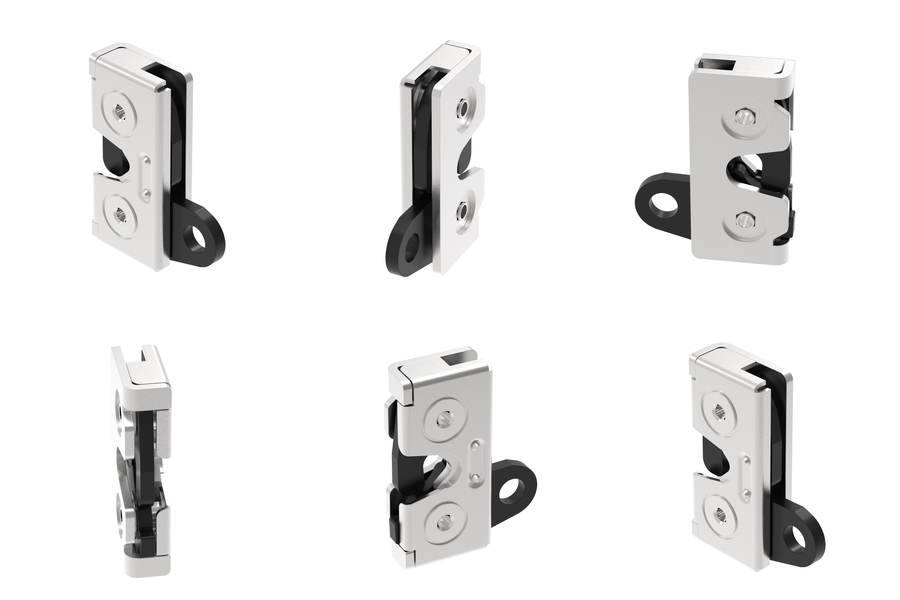
How to Verify Rotary Latch Specifications?
You verify specifications by reviewing independent laboratory test reports that detail maximum tensile strength, cycle life, and specific stainless steel rotary latch load rating specifications.
For procurement managers, purchasing decisions cannot be based on marketing claims or superficial visual inspections. Industrial hardware must be validated through rigorous, empirical data. Verifying the technical specifications ensures that the chosen hardware possesses the necessary mechanical properties to survive the intended application environment, protecting the OEM from liability and safeguarding the end-user's assets.
What Are Stainless Steel Load Ratings?
Stainless steel load ratings indicate the maximum static and dynamic forces the latch can endure before structural failure occurs in demanding industrial environments.
Understanding the mechanical limits of your hardware is critical when designing storage solutions for heavy commercial vehicles. Engineers must closely analyze the stainless steel rotary latch load rating specifications to ensure the mechanism can handle the specific weight of the door and the potential impact of shifting cargo. These ratings are generally divided into distinct categories based on laboratory testing protocols.
Specification Type | Measurement Focus | Application Relevance |
Static Load Rating | Maximum stationary force | Resisting resting cargo weight against the door |
Dynamic Load Rating | Force during movement | Handling kinetic shocks from potholes and rough roads |
Ultimate Failure Load | Point of structural break | Determining absolute safety margins for the vehicle |
When a truck navigates a steep decline or comes to an abrupt halt, the tools inside the box become projectiles. The latch must absorb this sudden dynamic impact. By carefully reviewing the stainless steel rotary latch load rating specifications, procurement teams can select a model that offers a working load limit well above the calculated maximum impact force. This engineering diligence prevents catastrophic structural failures, ensuring that the door remains locked even under extreme duress, thereby maintaining safety on public roadways.
How to Prevent Outdoor Corrosion Failures?
Outdoor corrosion failures are prevented by utilizing 304 or 316 grade stainless steel and applying advanced passivation treatments to the latch components.
Commercial trucks operate in highly corrosive environments, from coastal highways saturated with salt air to winter roads covered in aggressive de-icing chemicals. If the latch materials are not specifically engineered for these conditions, galvanic corrosion and red rust will quickly seize the internal pivot points. To prevent this, the selection of base materials is crucial. While zinc-plated carbon steel is suitable for interior applications, external toolbox lids demand the superior metallurgical properties of 304 or 316 stainless steel.
However, utilizing raw stainless steel is not always sufficient. At ForndLock, our manufacturing process involves advanced surface engineering. After the components are machined and stamped, they undergo a chemical passivation process. This treatment removes free iron from the surface of the metal and promotes the formation of a thick, protective chromium oxide layer. This passive film acts as an invisible shield, drastically increasing the material's resistance to chloride-induced pitting and crevice corrosion. By insisting on high-grade materials and rigorous surface treatments, OEMs can guarantee that their access hardware will remain functional and visually appealing for the entire operational life of the vehicle.
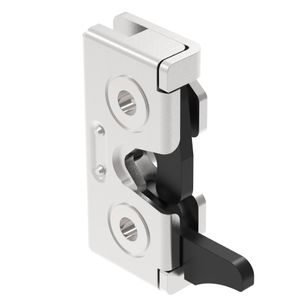
How Do We Solve Customization Challenges?
We solve customization challenges by engineering application-specific latching mechanisms and providing rapid prototyping based on our extensive manufacturing experience.
Standard off-the-shelf hardware frequently falls short when applied to highly specialized industrial vehicles. Unique door geometries, extreme environmental conditions, and specific ergonomic requirements often demand a tailored approach. As a dedicated manufacturer, ForndLock excels at bridging the gap between a client's theoretical design requirements and mass-produced physical realities. Our engineering team collaborates directly with OEM clients to modify existing designs or create entirely new latching architectures that seamlessly integrate into their specific vehicle platforms.
A prime example of this capability involved an Australian commercial truck body OEM specializing in support vehicles for the mining sector. The client approached us with a severe field failure issue. The standard latches they were using on their heavy-duty toolboxes were vibrating open on the heavily corrugated, unpaved roads of the outback. Furthermore, the microscopic, highly abrasive red dust inherent to the region was penetrating the latch housings, jamming the internal springs and rendering the mechanisms inoperable within months. The resulting warranty claims were severely impacting their profitability and brand reputation.
To resolve this complex issue, ForndLock engineered a completely customized heavy duty rotary latch for truck toolbox lid applications tailored specifically for the mining environment. We redesigned the internal rotor geometry to incorporate a highly aggressive dual-stage locking mechanism that physically could not disengage under high-frequency vibration.
To address the door weight and cargo impact issues, we significantly upgraded the internal components, providing the client with certified stainless steel rotary latch load rating specifications that exceeded their previous hardware by over three hundred percent. Finally, we designed a specialized, integrated silicone boot that sealed the entire housing against dust ingress, achieving a flawless IP-rated barrier. The result was immediate: the OEM eliminated accidental door openings entirely, drastically reduced their warranty claims, and secured a stable, reliable bulk delivery pipeline for their ongoing production lines.
How to Order Your Custom Latches?
You can order custom latches by submitting your engineering drawings and project requirements directly to our technical sales team for a comprehensive evaluation.
Selecting the optimal industrial hardware requires a partnership with a manufacturer who understands the intricate balance of mechanical strength, environmental resistance, and precise dimensional tolerances. Whether you are designing a new fleet of utility trucks, upgrading existing storage compartments, or seeking to solve persistent hardware failures in extreme environments, relying on verified engineering data and proven manufacturing expertise is essential.
ForndLock remains committed to delivering uncompromising quality, providing precise load rating specifications, and offering tailored engineering support for complex projects. We invite procurement managers, mechanical engineers, and commercial vehicle OEM clients to initiate their next project with us. To discuss your specific application demands, request detailed technical 3D CAD drawings, or ask for physical evaluation samples for field testing, please contact our engineering and sales team directly at: [email protected].