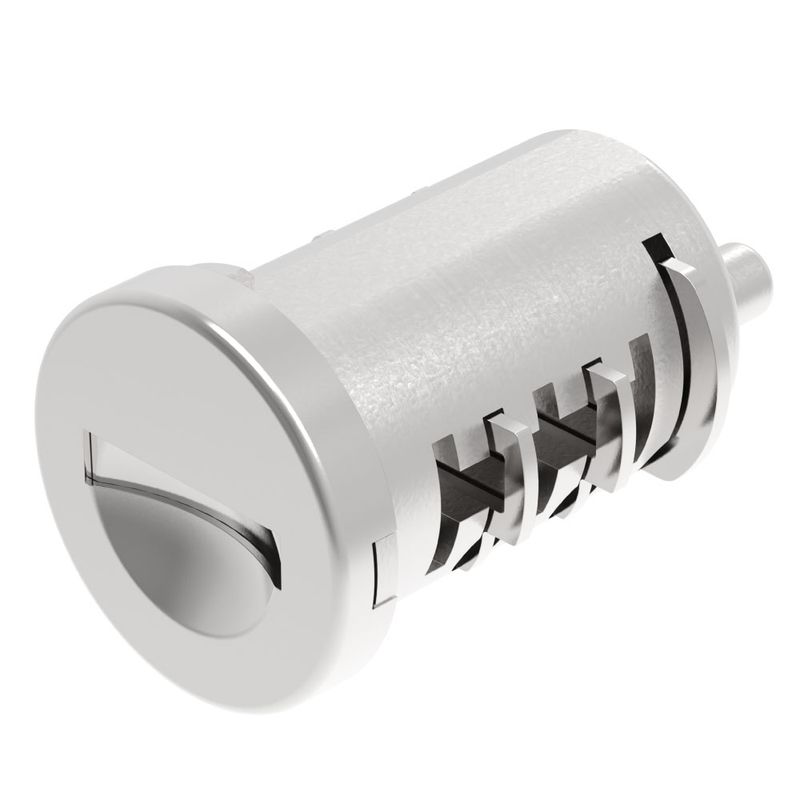
Roof Rack Locks: Types, Security Features and Selection Guide
Roof rack locks work by pairing a precision-machined cylinder with a rotating cam or bolt that secures crossbars, towers, or cargo accessories to the vehicle roof, and the right type depends on load type, mounting geometry, and required security level.
At ForndLock, we approach roof rack locks as engineered components rather than accessories. This article examines the structural design, material selection, security performance, and installation logic behind roof rack locks from a manufacturing and application engineering perspective. It is written for procurement teams, vehicle equipment manufacturers, outdoor gear producers, and project engineers who specify or source these components at scale, rather than for individual consumers comparing retail products. Understanding how roof rack locks are built and where they fail helps teams make better sourcing decisions and reduce field returns.
What Are Roof Rack Locks?
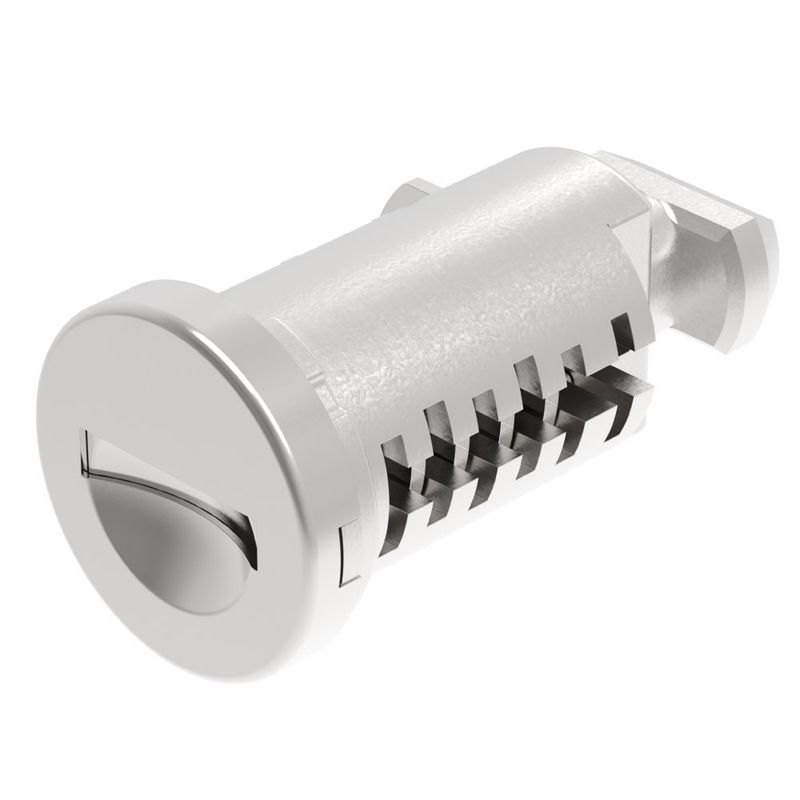
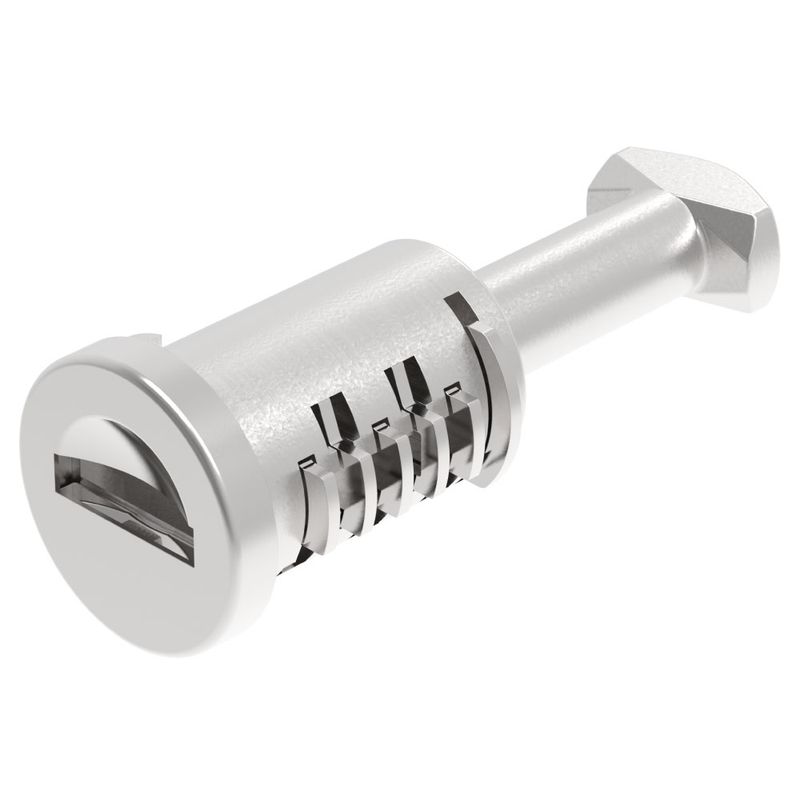
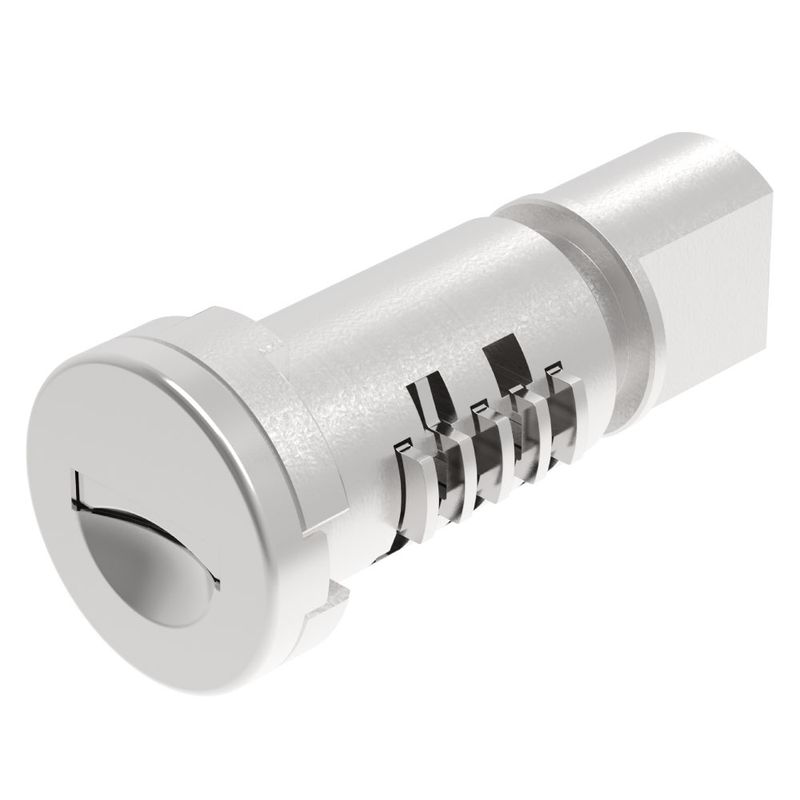
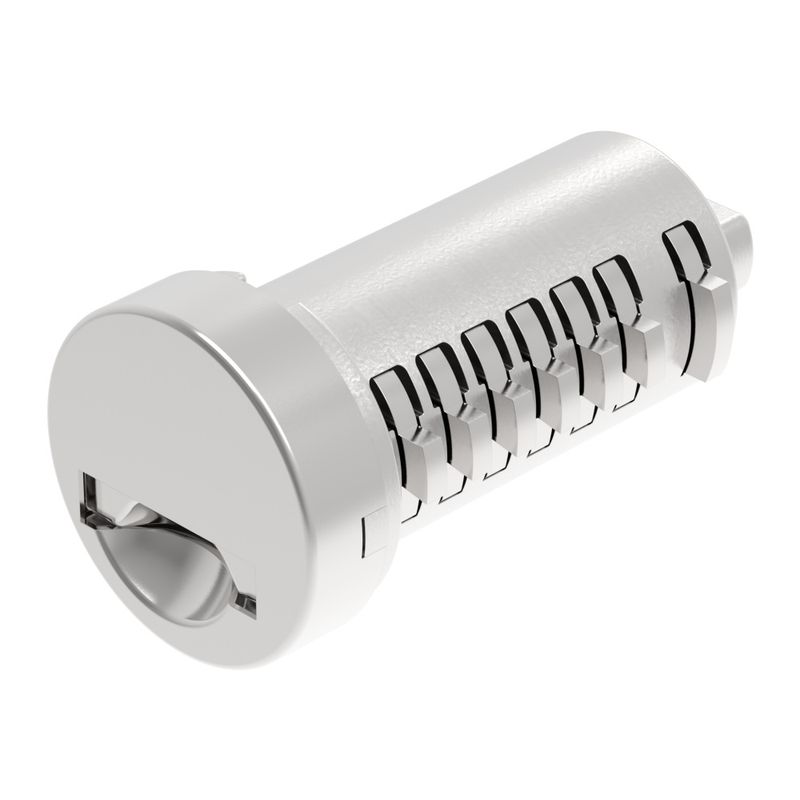
Roof rack locks are precision cylinder-and-cam locking components engineered to secure crossbars, towers, and cargo carriers to a vehicle roof system, preventing unauthorized removal of both the rack structure and the equipment mounted to it.
In a complete roof rack assembly, locking components typically appear at three distinct points: the tower or foot pack that attaches to the vehicle roof rail, the crossbar that spans between towers, and any cargo carrier or accessory mount attached to the crossbar itself. Each of these points can carry an independent lock, and in many production assemblies they do.
What separates a roof rack lock from a generic padlock is its embedded, structural nature. Rather than being a standalone device clipped onto an exposed loop, the lock cylinder is bored into a housing that is itself part of the load-bearing structure — a tower body, a crossbar end cap, or a mounting bracket. This means the cylinder's outer diameter, key-way clearance, and cam travel must be matched to tight manufacturing tolerances so the entire assembly functions as a single mechanical unit.
At ForndLock, we categorize roof rack locks as a subset of automotive locking solutions, distinct from cabinet or furniture cam locks primarily because of their outdoor exposure requirements and their role in a chain of structural fasteners. In the outdoor equipment and vehicle accessory production chain, these locks are specified early in the design phase, alongside crossbar extrusion profiles and mounting foot geometry, because retrofitting a lock into an existing structure is rarely straightforward.
How Do Roof Rack Locks Work?
A roof rack lock works through a keyed cylinder that rotates an internal cam or bolt, mechanically clamping the crossbar or tower against the mounting foot so it cannot be removed without the matching key.
The basic operating principle is consistent across most designs: a key is inserted into a cylinder bore, aligning internal components so the cylinder's rotor can turn. As the rotor turns, it drives an external cam — a flat metal tab fixed to the back of the cylinder — through an arc of rotation, usually somewhere between 90 and 180 degrees. That cam either engages a slot in an adjacent bracket, blocking the removal path of a fastener, or it directly clamps two surfaces together by cam action against a spring-loaded plate.
The engineering challenge is not the concept itself but the consistency of execution across thousands of units. A cam that rotates smoothly on a bench prototype can bind in the field if bore tolerances drift, if corrosion builds up in the key-way, or if vibration loosens the cam's mounting screw over time. This is why cylinder structure and key mechanism design deserve closer examination.
What Is Inside a Lock Cylinder?
Inside a roof rack lock cylinder are a rotor, pin tumblers or wafer discs, springs, and a housing sleeve that together control whether the cam can rotate.
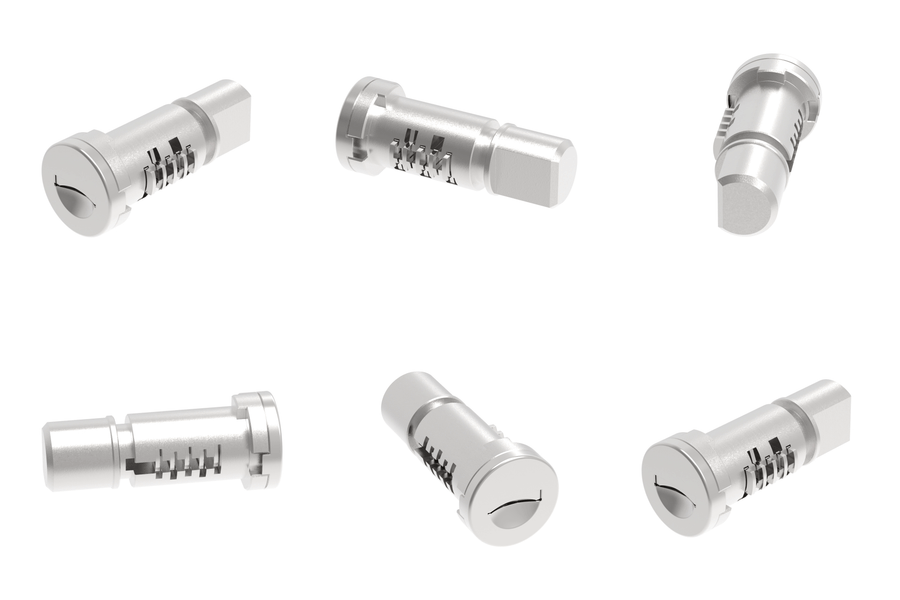
The rotor is the cylindrical core that houses the key-way and rotates when the correct key is inserted. Surrounding it is a stationary housing sleeve, sometimes called a stator, into which the rotor is fitted with a controlled clearance — typically measured in hundredths of a millimeter. Pin tumblers (in pin-tumbler designs) or wafer discs (in wafer-based designs) sit in radial chambers, spring-loaded so they intersect the rotor-sleeve boundary when no key, or the wrong key, is present.
The rotor-sleeve clearance is one of the most consequential dimensions in roof rack lock cylinder manufacturing. Too tight, and the cylinder binds under thermal expansion or after minor corrosion buildup. Too loose, and the cylinder becomes vulnerable to manipulation or premature wear from road vibration. We machine cylinder bores and rotor diameters to controlled tolerances specifically to balance smooth operation against pick resistance, since a cylinder that is easy to turn is often also easier to manipulate without a key.
How Does the Key Mechanism Function?
The key mechanism functions by aligning internal pins or wafers to a specific cut pattern, allowing the rotor to turn only when the correct key profile is inserted.
Three key profiles dominate roof rack and cargo lock applications: flat keys (common in low-cost wafer locks), tubular keys (used where higher pick resistance is required), and dimple keys (offering a compact profile with a denser pin arrangement). Each cut pattern corresponds to a unique combination of pin heights or wafer positions inside the cylinder, and the number of possible combinations directly affects how difficult the lock is to pick or to duplicate without authorization.
For fleet or multi-point installations, keyed-alike systems carry significant engineering value. A vehicle equipment manufacturer installing four lock points — two tower locks, one crossbar lock, and one cargo box lock — benefits from a single key operating all four, reducing field service complexity and end-user error. Designing a keyed-alike system across multiple cylinder bodies requires coordinated pin-stack specification across the full production batch, which is a detail worth raising directly with the cylinder manufacturer during specification rather than after tooling is finalized.
What Types of Roof Rack Locks Exist?
The main types of roof rack locks are cam locks, tubular pin-tumbler locks, wafer disc locks, and cable-based cargo locks, each suited to different mounting structures and security requirements.
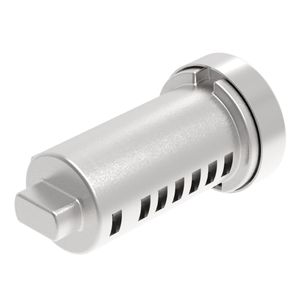
The choice between these types is rarely about brand preference — it follows from the physical structure being secured and the security level the application demands.
Lock Type | Structure | Key Mechanism | Typical Application | Security Level |
Cam lock | Compact cylinder with external rotating cam | Flat key, wafer disc | Crossbar-to-tower attachment | Moderate |
Tubular pin-tumbler lock | Circular pin array around tubular key-way | Tubular key | Tower locks, anti-theft roof rack systems | High |
Wafer disc lock | Flat wafer discs instead of round pins | Flat key | Light-duty cargo mounts, accessory brackets | Moderate |
Cable/cargo lock | Cylinder combined with braided steel cable or shackle | Flat or dimple key | Recovery gear, loose accessory boxes | Low to moderate |
What Is a Cam Lock Cylinder?
A cam lock cylinder is a compact locking unit where turning the key rotates an external cam to engage or release a bracket, making it the most common design for crossbar locks.
Cam lock cylinders are favored for crossbar applications largely because of their compact axial length and simple single-action rotation. They fit readily into aluminum extrusion profiles, where the cylinder bore can be integrated directly into the extrusion's end cap or a machined insert. Because the cam only needs to rotate through a short arc to release or engage the bracket, the mechanism tolerates minor misalignment better than more complex designs, which is useful when crossbar extrusions are produced with standard commercial tolerances rather than aerospace-grade precision.
What Is a Tubular Lock Cylinder?
A tubular lock cylinder uses a circular arrangement of pins around a tubular key, offering higher pick resistance than flat-key cam locks for anti-theft roof rack systems.
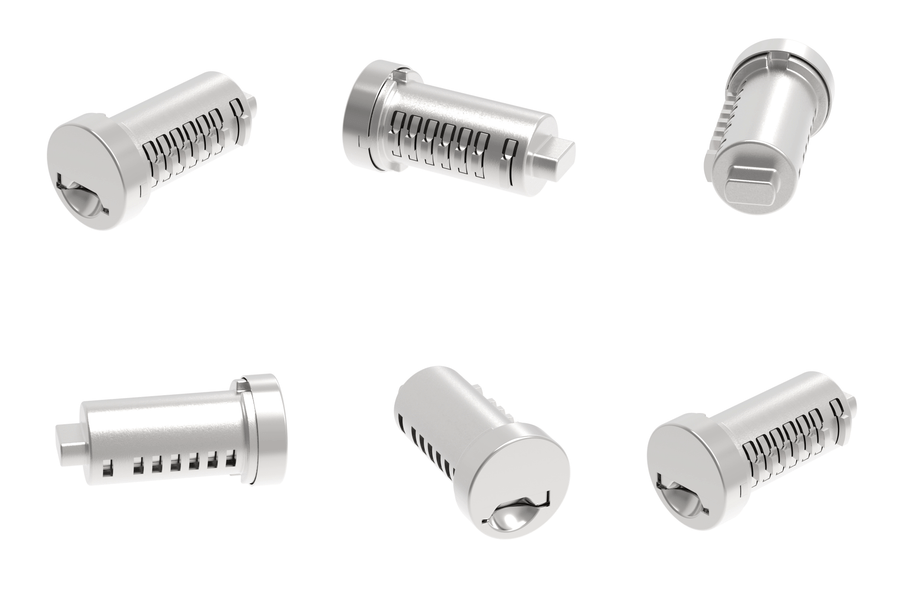
The circular pin arrangement in a tubular cylinder makes manipulation substantially harder than in a linear pin-tumbler or wafer design, since there is no single accessible plane for a pick tool to work along. This makes tubular cylinders a common specification for tower locks in anti-theft roof rack systems, where the tower is the structural anchor point and its compromise would allow removal of the entire rack assembly. Housing design also matters here: a hardened steel sleeve around the tubular cylinder resists drilling attempts that might otherwise bypass the pin mechanism entirely.
What Are Cable and Cargo Locks?
Cable and cargo locks combine a lock cylinder with a braided steel cable or shackle to secure loose items such as recovery gear or accessory boxes directly to the crossbar.
These are typically paired with crossbar locks rather than replacing them, since a cable lock secures an item's position relative to the rack but does not, on its own, protect the rack's structural connection to the vehicle. Cargo carrier locks of this type serve a narrower function — deterring casual removal of unsecured items like a shovel, a jack, or a soft-sided cargo bag — and their security ceiling is set largely by cable gauge and shackle material rather than cylinder complexity. We do not recommend relying on cable locks as the sole security measure for structural rack components; they are best specified as a secondary layer.
What Security Features Matter Most?
The security features that matter most in roof rack locks are pick resistance, drill resistance, cylinder rotation force, and resistance to bolt-cutter or pry-bar attacks on the housing.
How Does Cylinder Design Resist Picking?
Cylinder design resists picking through anti-pick pin stacks, spool-shaped pins, and hardened rotor sleeves that prevent manipulation without the correct key.
Spool pins, as opposed to standard cylindrical pins, create a false set point during pick attempts, causing the rotor to bind rather than turn when manipulated incorrectly. Combining spool pins with a hardened rotor sleeve — which resists drilling directly through the pin chambers — raises the mechanical difficulty of bypass considerably compared to a basic wafer design. For teams specifying anti-theft roof rack locks for higher-risk deployment environments, such as urban fleet vehicles or shared equipment pools, requesting spool-pin or anti-drill configurations at the drawing stage is more efficient than retrofitting security upgrades later. If your application calls for a specific pick-resistance profile, sending us your security requirements alongside your mounting drawings allows our engineering team to recommend an appropriate internal configuration.
Why Do Anti-Theft Systems Need Redundancy?
Anti-theft systems need redundancy because a single lock point can be bypassed, so combining tower locks, crossbar locks, and cargo locks creates multiple mechanical barriers.
No single lock, regardless of internal sophistication, eliminates risk entirely — a determined actor with sufficient time and tools can defeat most mechanical locks. The practical security objective is to increase the time and tool requirements enough to deter casual theft and force any attempt to be conspicuous. A rack assembly with locked towers, a locked crossbar-to-tower interface, and a separate cargo lock for loose items presents three distinct mechanical barriers, each requiring different tools or techniques to bypass. This layered approach also creates a maintenance consideration: with multiple lock points in service, the likelihood that at least one cylinder will eventually need a replacement lock cylinder over the vehicle or equipment's service life increases proportionally, which is worth planning for in spare parts inventory from the outset.
What Materials Suit Roof Rack Locks?
Roof rack locks are best made from zinc alloy, brass, or stainless steel components, each selected based on corrosion resistance, machining precision, and outdoor exposure requirements.
Material | Corrosion Resistance | Machinability | Typical Use Case |
Zinc alloy | Moderate (requires plating) | High | Cost-sensitive housings, indoor-adjacent applications |
Brass | High (natural resistance) | High | Cylinder cores, pin chambers, key-way components |
Stainless steel | Very high | Moderate | Housings and shackles in high-exposure, coastal, or road-salt regions |
How Does Corrosion Resistance Affect Lifespan?
Corrosion resistance affects lifespan directly because roof-mounted locks are continuously exposed to rain, road salt, and UV radiation, which accelerates oxidation in untreated metals.
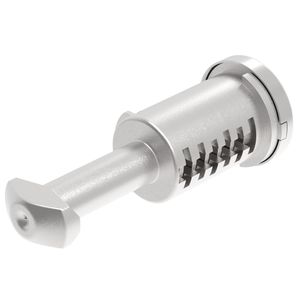
Unlike locks used in indoor cabinetry or furniture, roof rack locks sit in one of the most exposed positions on a vehicle. They face direct rain impingement, road spray carrying de-icing salt, and sustained UV exposure that can degrade rubber seals and plastic key-way covers over time. A brass cylinder core offers inherent corrosion resistance due to its copper-zinc composition, making it a common choice for the internal pin chamber structure even when the outer housing is a different material. Nickel plating over a zinc alloy housing provides a cost-effective corrosion barrier for moderate exposure environments, while a full stainless steel housing is generally specified for coastal regions or fleet vehicles operating in areas with heavy winter road salt application. We evaluate plating thickness and base metal selection together, since a thin plating layer over a reactive base metal will fail well before a properly specified solid-material or thicker-plated alternative.
Why Does Vibration Resistance Matter Outdoors?
Vibration resistance matters outdoors because continuous road vibration can loosen cam engagement or wear internal pins over time, leading to premature lock failure.
A roof-mounted lock experiences a different vibration profile than a stationary lock — it is subject to constant low-amplitude oscillation from road surface irregularities, amplified in some cases by the leverage effect of the crossbar structure itself. Over extended service, this vibration can work against spring tension inside the cylinder, gradually reducing the force holding pins in their locked position, or it can loosen the fastener securing the cam to the rotor shaft, allowing play that eventually compromises the clamping action. We address this through spring selection calibrated for sustained cyclic loading and through cam attachment methods that resist self-loosening, such as staking or thread-locking compounds rather than friction fit alone. Outdoor durability assessment for a given application should account for the vehicle's typical operating environment — highway-dominant use, off-road use, or a mix — since vibration frequency and amplitude differ meaningfully between these conditions. If your outdoor equipment application involves unusual vibration or exposure parameters, sharing those application requirements with us in advance allows for a more targeted material and spring recommendation.
How Should You Choose Roof Rack Locks?
Choosing roof rack locks requires matching cylinder type, key system, material grade, and mounting dimensions to the specific crossbar or tower structure being secured.
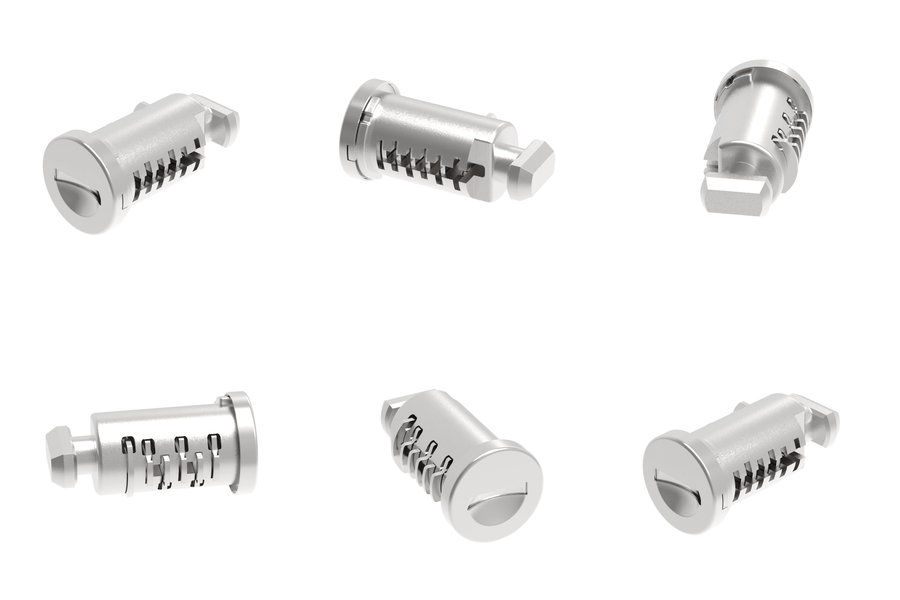
For procurement teams evaluating automotive locking solutions across a product line, the selection logic generally follows load type first: structural attachment points such as towers and crossbar joints warrant higher security cylinders (tubular or anti-pick pin-tumbler designs), while accessory attachment points for lighter cargo may reasonably use standard wafer or cam designs at lower cost. Mounting environment is the second filter — a vehicle equipment manufacturer producing for a single climate region has more material latitude than one supplying a product sold globally across humid, coastal, and freezing environments.
Lock point count across the assembly also affects the decision, since a design with several lock points benefits from a keyed-alike arrangement that reduces the number of distinct keys an end user must manage. Finally, for non-standard rack geometries, tower shapes, or accessory brackets that fall outside common industry dimensions, custom automotive locks become necessary rather than optional — a standard catalog cylinder will rarely fit a bore diameter or key-way orientation that was not part of its original design intent. This selection process naturally leads into installation planning, since even a well-chosen lock can underperform if installation tolerances are not respected.
What Are Installation Best Practices?
Installation best practices include verifying bore diameter, key-way clearance, and cam travel distance before mounting, then torquing retaining fasteners to the specified range without over-compressing the cylinder housing.
Before mounting any cylinder into a housing, it is worth confirming that the bore diameter matches the cylinder's outer diameter within the specified tolerance range, that the key-way orientation aligns with the intended insertion angle, and that there is sufficient clearance for the cam to complete its full rotation without contacting adjacent structural elements. Retaining fasteners — whether a C-clip, retaining ring, or set screw — should be tightened to the specified torque; over-tightening can distort the housing sleeve and bind the rotor, while under-tightening allows the cylinder to shift under vibration.
How Does Installation Tolerance Affect Fit?
Installation tolerance affects fit because even minor deviations in bore diameter or cam clearance can prevent smooth rotation or cause premature wear.
A bore that is machined even a few hundredths of a millimeter undersized relative to the cylinder's outer diameter can create enough friction to bind rotation, particularly after the first cycle of thermal expansion or minor corrosion. Conversely, an oversized bore permits lateral play in the cylinder body, accelerating wear at the retaining ring contact point and potentially allowing the entire cylinder to be pried loose. This is precisely why engineering drawings with clearly annotated tolerance bands matter — a cylinder manufacturer working from a drawing with explicit bore and clearance specifications can hold to those figures consistently across a production run, while verbal or approximate specifications tend to produce inconsistent fit across batches. When initiating a custom cylinder project with our team, providing dimensioned drawings at this stage significantly reduces first-article rejection rates.
How Do You Maintain Roof Rack Locks?
Maintaining roof rack locks involves periodic lubrication of the cylinder, inspection for corrosion at the key-way, and checking cam engagement for looseness caused by vibration.
A dry graphite or lithium-based lock lubricant applied to the key-way at reasonable intervals helps prevent grit accumulation from turning into an abrasive paste that accelerates pin and rotor wear. Visual inspection at the key-way opening can reveal early corrosion before it progresses to the point of affecting rotor movement, particularly on units exposed to winter road salt. Checking cam engagement — confirming that the cam still fully seats against its mating bracket without excessive play — helps catch loosening fasteners or worn cam surfaces before they result in a rack component detaching in transit.
When Should You Replace Lock Cylinders?
Lock cylinders should be replaced when key insertion becomes difficult, when the cam no longer holds tension, or when visible corrosion compromises the housing structure.
Difficulty inserting or turning a key that previously operated smoothly is often an early sign of internal wear or corrosion buildup that lubrication alone will not resolve. A cam that no longer holds firm tension against its mating bracket, allowing the crossbar or tower to shift slightly under load, indicates spring fatigue or a worn cam surface and should not be left in service. Visible pitting or flaking on the housing, particularly around the key-way, signals that corrosion has progressed past the surface level. In all these cases, sourcing the correct replacement lock cylinder matters as much as recognizing the need for one — a standardized off-the-shelf cylinder may not match the original bore dimensions or key system of a rack that was built with custom automotive locks, making it important to reference original specifications or drawings when ordering replacements.
ForndLock: Your Trusted Partner in Industrial Hardware
Can Roof Rack Locks Be Custom Engineered?
Roof rack locks can be custom engineered to match specific bore dimensions, key profiles, material specifications, and load conditions defined by the vehicle or equipment manufacturer.
Standard catalog cylinders work well for common crossbar and tower geometries, but many vehicle equipment manufacturers and outdoor gear producers work with proprietary extrusion profiles, non-standard bore diameters, or brand-specific key systems that require a purpose-built solution. Our engineering team evaluates submitted drawings and specifications to determine cylinder bore sizing, cam geometry, material grade, and key system compatibility for each application. We design cylinder internals — pin count, spool configuration, keyway profile — based on the security level and production volume the project requires, and we manufacture housings in the material grade appropriate to the stated exposure environment. This process supports custom automotive locks across applications ranging from OEM rack systems to specialized outdoor equipment mounts, where fit and function need to match an existing mechanical design exactly rather than approximate it.
How Can You Start a Custom Roof Rack Lock Project?
Starting a custom roof rack lock project begins with sharing your drawings, specifications, application requirements, and quantity needs so our engineering team can assess feasibility and propose a production solution.
ForndLock 9340 Lock Cylinder Assembly Machine
Roof rack locks sit at the intersection of structural engineering and security design — their cylinder structure, key mechanism, and material selection all need to hold up against vibration, corrosion, and repeated mechanical cycling over the vehicle's or equipment's service life. Getting the specification right at the design stage, whether selecting between cam and tubular cylinders, choosing brass versus stainless steel components, or planning a keyed-alike system across multiple lock points, reduces field issues and simplifies long-term maintenance including replacement cylinder sourcing. For teams developing custom rack systems, outdoor equipment lines, or vehicle accessory products, working directly with a cylinder engineering team from the drawing stage tends to produce a more reliable outcome than adapting a generic component after the fact.
If you are evaluating roof rack locks for a new product line, an OEM rack system, or a replacement parts program, we invite you to send your drawings, specifications, application requirements, and quantity requirements to [email protected]. Our engineering team can review your submission to support custom design, engineering support, sample evaluation, and a production solution suited to your specific mounting geometry, security level, and environmental exposure.