How To Choose Roof Rack Lock For Cargo Box Security
This comprehensive guide provides actionable criteria for specifying exterior locking mechanisms, moving past basic definitions to address the specific mechanical challenges of heavy-duty transportation. As a dedicated manufacturer of industrial hardware, our engineering team at ForndLock has compiled these technical insights based on extensive field testing and direct production experience. By leveraging our manufacturing baseline, engineers can make informed decisions on component specifications, ensuring that every latch and fastening mechanism deployed in the field meets stringent safety and durability standards.

What Is A Roof Rack Lock?
A roof rack lock in an industrial context is a highly engineered fastening mechanism designed to secure exterior-mounted commercial storage units against severe mechanical vibrations, unauthorized access, and harsh environmental ingress.
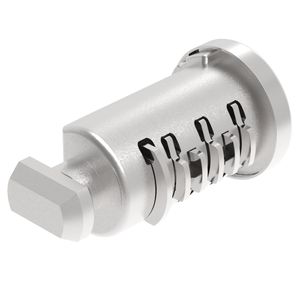
While the fundamental question of What Is a roof rack lock? might evoke images of recreational vehicle accessories for the general public, the industrial reality is vastly different. In commercial fleet applications, these locking systems serve as the primary structural barrier between valuable industrial equipment and unpredictable external forces. These mechanisms are integrated directly into the chassis of heavy-duty storage boxes mounted on commercial transport vehicles, utility trucks, and specialized off-road expedition chassis. The engineering architecture of these locks must account for constant exposure to ultraviolet radiation, extreme temperature fluctuations, and high-impact debris. As manufacturers, we approach the design of these components by analyzing the specific kinetic energy transfer that occurs during transit. This means moving away from simple cam locks and focusing on heavy-duty rotary latches, compression systems, and multi-point engagement architectures that maintain their structural integrity even when the surrounding enclosure flexes under load. Understanding this fundamental industrial definition is the first step in determining how to choose roof rack lock for cargo box security in demanding environments.
How Do Load Ratings Affect Security?
Load ratings determine a lock's mechanical threshold, ensuring the latching mechanism will not deform or fail under the dynamic stress of heavy industrial equipment transported at highway speeds.
The physics of dynamic loads on exterior cargo boxes dictate that static strength is never sufficient for mobile applications. When a commercial vehicle navigates uneven terrain or accelerates on a highway, the internal payload generates kinetic forces that transfer directly to the enclosure's door and, consequently, the locking mechanism. Standard consumer latches fail under these industrial payloads because they lack the necessary shear strength and tensile resistance to withstand repeated microscopic impacts. At ForndLock, our engineers calculate these dynamic stress factors by simulating extreme braking and off-road articulation scenarios. We evaluate the yield strength of the internal latch bolts and the strike plates to ensure that the engagement points will not shear off or bend. If a locking mechanism has an insufficient load rating, the constant shifting of heavy tools or machinery will eventually force the latch open, regardless of how complex the keyway might be. Therefore, specifying a lock with a certified industrial load rating is a non-negotiable requirement for physical security and operational safety.
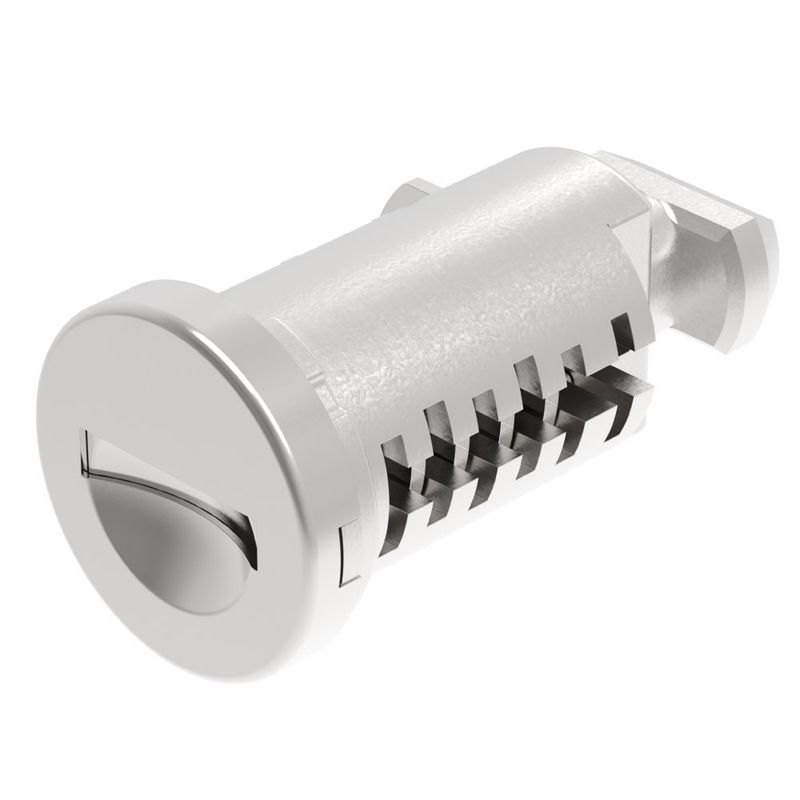
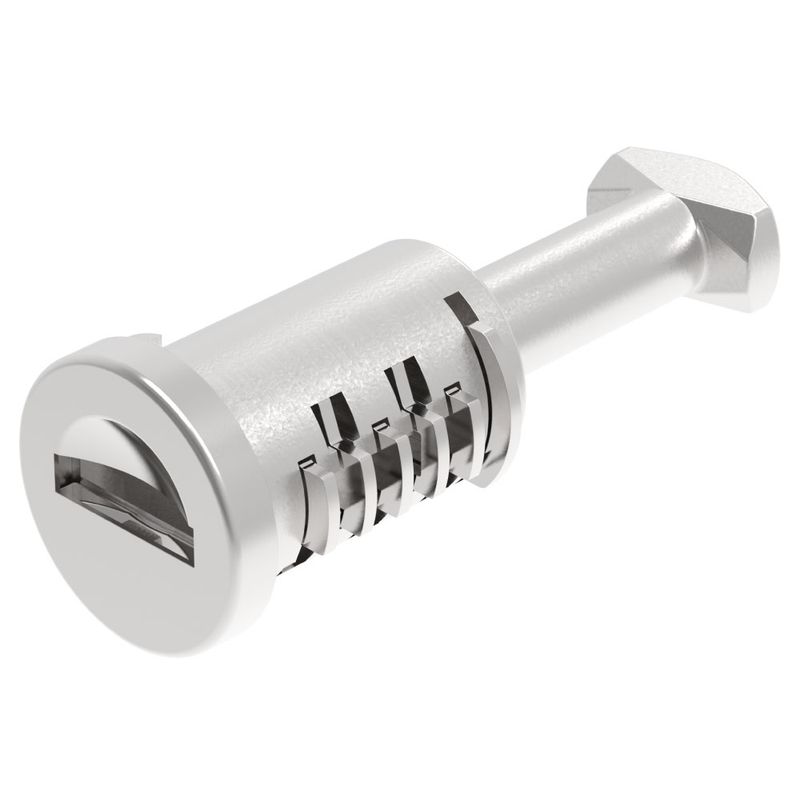
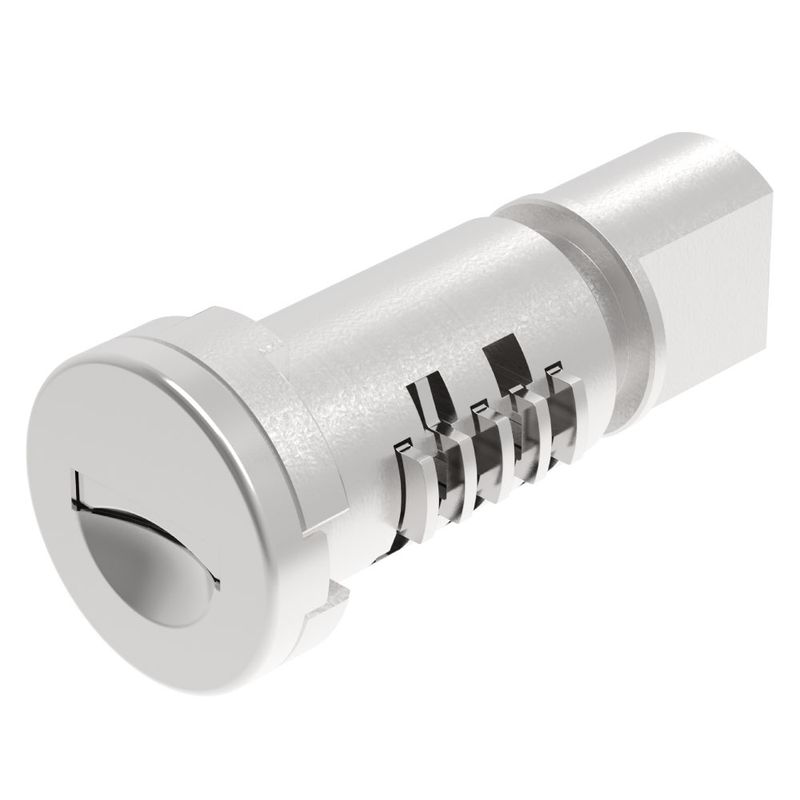
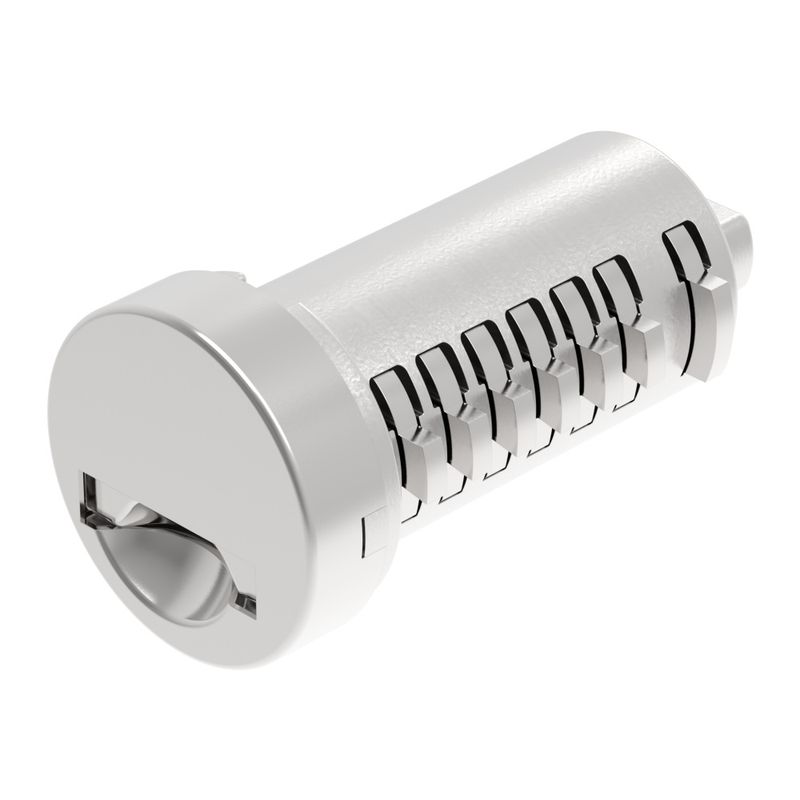
ForndLock Roof Rack Lock
Why Is Sealing Crucial For Enclosures?
Superior sealing capabilities prevent the ingress of corrosive moisture and abrasive dust, which are the primary causes of internal cargo damage and premature lock mechanism failure in outdoor environments.
In industrial applications, physical theft is only one part of the security equation; environmental degradation often poses a much higher risk to both the cargo and the lock itself. Exterior locks must adhere to strict Ingress Protection requirements, typically demanding an IP65 or IP67 rating to guarantee performance in outdoor hardware applications. Specialized gaskets and advanced compression technology are integrated into the lock housing to maintain waterproof and dustproof integrity. When an enclosure lacks proper sealing, capillary action draws water into the lock cylinder and the internal mechanical linkages. This moisture rapidly accelerates galvanic corrosion, while abrasive dust creates friction that wears down internal springs and detents. We engineer our locking systems to actively compress the cargo box door against its weather stripping, creating a hermetic seal. This active compression not only protects the sensitive electronics or machinery stored inside the box but also isolates the lock's internal geometry from the corrosive elements of the operating environment.
How Are Different Lock Types Compared?
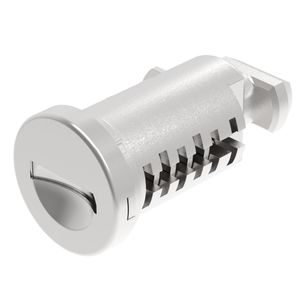
When analyzing roof rack lock types compared cable vs keyed vs integrated systems, engineers must evaluate each mechanism's structural resistance to physical tampering and its operational reliability in severe weather.
Navigating the vast array of fastening mechanisms requires a systematic approach to mechanical evaluation. A proper assessment of roof rack lock types compared cable vs keyed vs integrated architectures reveals distinct operational boundaries for each design. Industrial procurement teams cannot rely on superficial aesthetics; they must dissect the internal geometry, the engagement method, and the housing material of each lock type. The decision matrix involves weighing the flexibility of temporary securing methods against the rigid permanence of embedded latching systems. By examining the structural vulnerabilities and the specific mechanical advantages of these three primary categories, engineers can accurately align the hardware specifications with the precise demands of their commercial fleet operations.
Are Cable Locks Suitable For Industry?
Cable locks offer flexible, temporary securing methods for irregular shapes, but they generally lack the rigid shear resistance required for permanent, heavy-duty industrial fleet cargo boxes.
While braided steel cables provide a versatile solution for tying down loose equipment or securing irregularly shaped assets on a temporary basis, their application in high-security original equipment manufacturing is severely limited. The primary vulnerability of cable mechanisms lies in their susceptibility to heavy cutting tools, such as hydraulic bolt cutters or angle grinders, which can easily sever the braided lines. Furthermore, cable systems do not provide any structural compression to the cargo box doors, meaning they cannot assist in weather-sealing the enclosure. They also lack a sealed housing, leaving the locking cylinder completely exposed to freezing rain and particulate ingress. For permanent industrial fleet cargo boxes, engineers must transition away from these flexible tethers and specify rigid, housing-based latching systems that offer verifiable shear resistance and environmental protection.
Why Rely On Keyed Compression Locks?
Keyed compression locks simultaneously secure the enclosure and pull the door tightly against weather seals, making them the superior choice for preventing vibration-induced loosening and water ingress.
The mechanics of compression latches represent a significant upgrade over standard cam locks. When the user engages a keyed compression lock, the internal cam does not merely rotate behind the strike frame; it actively pulls the door inward along a threaded or ramped axis. This mechanical action generates massive clamping force, maximizing gasket compression and effectively eliminating any play between the door and the frame. Our manufacturing expertise at ForndLock focuses heavily on producing keyed systems that utilize this dual-action mechanism. By pulling the door tight, the lock neutralizes the high-frequency vibrations that would otherwise rattle a standard latch loose over time. Additionally, we incorporate high-security keyways and drill-resistant cylinders into these compression systems, ensuring that they resist picking and physical drilling while maintaining the hermetic seal required by industrial clients facing extreme weather conditions.
How Do Integrated Locks Enhance Safety?
Integrated locking systems embed the security mechanism directly into the cargo box chassis, drastically reducing external pry points and streamlining the aerodynamic profile of the commercial vehicle.
Flush-mounted and integrated rotary latch systems represent the pinnacle of exterior enclosure security. By housing the critical latching components entirely within the structural walls of the cargo box, these systems eliminate the protruding profiles that are highly vulnerable to physical impacts and pry-bar attacks. The seamless design ensures that blunt force trauma from shifting cargo or external collisions is absorbed by the heavy-duty chassis rather than the locking mechanism itself. Furthermore, integrated systems offer significant benefits for large fleet management through master-key system compatibility and electronic actuator integration. OEM clients benefit from this streamlined architecture because it enhances the aerodynamic efficiency of the vehicle while providing a tamper-proof barrier. Evaluating roof rack lock types compared cable vs keyed vs integrated solutions consistently demonstrates that embedded rotary systems offer the highest degree of mechanical safety for permanent commercial installations.
What Determines Your Final Selection Criteria?
Your final selection criteria must be dictated by a rigorous analysis of the cargo box's structural material, the specific corrosive elements of the operating environment, and the required lifecycle durability.
Understanding how to choose roof rack lock for cargo box security ultimately comes down to matching the metallurgical and mechanical properties of the hardware with the operational realities of the field. Procurement personnel must move beyond dimensional compatibility and analyze the chemical and kinetic stressors the equipment will face. A lock that performs perfectly in a dry, static warehouse will fail catastrophically when mounted on a utility truck operating in coastal areas or chemical processing plants. The selection process requires a deep dive into material science, surface treatment specifications, and certified testing protocols to ensure that the chosen hardware will deliver a reliable return on investment over the entire lifecycle of the commercial vehicle.
How Does Material Prevent Rapid Corrosion?
Selecting industrial-grade materials like 316 stainless steel or specialized zinc alloys with advanced electroplating ensures the locking mechanism survives prolonged exposure to road salts and industrial chemicals.
Metallurgy is the foundation of hardware longevity. Exterior cargo boxes are relentlessly subjected to corrosive agents, including de-icing road salts, acidic rain, and industrial wash-down chemicals. If a lock is manufactured from low-grade carbon steel or utilizes inferior plating, galvanic corrosion will rapidly fuse the internal pins and cams, rendering the lock inoperable. We advocate for the specification of 316 marine-grade stainless steel for the most extreme environments, as its molybdenum content provides exceptional resistance to pitting and chloride corrosion. For applications requiring complex internal geometries, we utilize high-density zinc alloys treated with advanced electroplating and powder-coating processes. At ForndLock, our approach involves rigorous salt spray testing, often subjecting prototypes to hundreds of hours of continuous saline mist to validate the surface treatments. This meticulous material selection directly impacts the procurement team's ROI by virtually eliminating premature hardware replacement and warranty claims due to rust.
Why Is Anti-Vibration Testing Mandatory?
Anti-vibration testing is mandatory because continuous high-frequency road shocks will systematically dismantle uncertified locking mechanisms, leading to catastrophic cargo loss during transit.
Mobile hardware operates in a state of constant kinetic disruption. The washboard surfaces of unpaved roads and the harmonic resonance of highway driving generate high-frequency shocks that travel directly into the latch housing. Without specific anti-vibration engineering, the fasteners holding the lock together will back out, and the internal springs will suffer fatigue failure. Testing protocols required for mobile hardware involve mounting the locks on multi-axis shaker tables to simulate years of road abuse in a matter of days. To combat these forces, our engineers design internal detents, specialized dampening features, and thread-locking compounds into the assembly process. These features ensure that the latch maintains positive engagement and that the internal geometry remains stable, regardless of the kinetic energy transferred through the commercial vehicle's chassis.
How Did We Solve Engineering Challenges?
By engineering a custom heavy-duty compression latch with enhanced anti-corrosion treatments, ForndLock successfully eliminated severe weather ingress and mechanical failure for a major commercial fleet operator.
Theoretical engineering principles must always be validated by real-world application. Recently, we collaborated with a prominent commercial off-road expedition vehicle manufacturer based in Australia. Their engineering team approached us with a critical failure issue: their existing exterior cargo box locks were failing at an unacceptable rate. The severe outback dust was penetrating the lock cylinders, while the intense washboard road vibrations were causing the standard cam latches to vibrate open during transit, leading to significant equipment damage and compromised environmental seals.
ForndLock 9340 Lock Cylinder Assembly Machine
Our engineering team immediately initiated a comprehensive root-cause analysis. We determined that the previous hardware lacked both the active clamping force required to maintain gasket integrity and the internal dampening necessary to survive the outback terrain. In response, ForndLock developed a customized flush-mounted compression lock specifically tailored to their chassis dimensions. We integrated dual-sealed O-rings around the lock cylinder to completely block fine particulate ingress. The housing was cast from a reinforced zinc-alloy with a specialized heavy-duty rotary engagement mechanism that locked deeper into the strike plate as vibrations increased. We went through several rapid prototyping iterations, adjusting the cam angle to perfectly match their custom weather stripping. The final result was transformative. The OEM client reported a zero-percent failure rate during their extreme field tests in the desert. This custom solution significantly reduced their warranty claims, eliminated cargo damage, and streamlined their assembly process by providing a drop-in hardware solution that required no secondary adjustments on the factory floor.
How Can You Request Custom Samples?
You can immediately request custom product samples and technical evaluations by submitting your engineering drawings and project specifications directly to our dedicated manufacturing support team.
Securing the right hardware for your commercial fleet requires transitioning from conceptual research to physical testing. As a primary manufacturer, ForndLock is fully equipped to support OEM customization, complex ODM projects, and rapid prototyping requirements. We understand that industrial procurement demands batch delivery reliability, rigorous pre-shipment testing, and dedicated engineering support to ensure seamless integration into your production lines. Whether you need modifications to existing compression latches or entirely new rotary lock architectures developed from scratch, our team provides the technical infrastructure to bring your specifications to life. We invite procurement managers and mechanical engineers to initiate their technical consultations today. Direct your specific project requirements, CAD drawings, operational parameters, or requests for custom physical samples to our engineering department via email at: [email protected]. Partner with us to engineer locking solutions that guarantee the security and durability of your industrial cargo operations.