How To Choose Between Different Latch Mechanism Types For Industrial Equipment?
Design engineers, procurement managers, and OEM clients frequently face critical bottlenecks when specifying industrial locking hardware for complex manufacturing projects. Selecting the incorrect hardware directly undermines installation compatibility, compromises IP sealing performance, and destroys waterproof or dustproof ratings. It also exposes sensitive enclosures to rapid environmental corrosion, mechanical failure under continuous vibration, and ultimately drives up long-term maintenance costs. Understanding the precise mechanical nuances of these fastening components provides a clear, actionable foundation for ensuring structural integrity, safety compliance, and successful batch delivery in demanding engineering ecosystems.
Based on ForndLock’s manufacturing experience in industrial locks, latches, hinges, handles, and access hardware, we understand that navigating the vast array of available solutions requires precise engineering logic rather than guesswork. In this comprehensive technical guide, we will break down the exact selection criteria for various latch mechanism types. Readers, including engineers and OEM clients, will learn how to match mechanical movements to operational demands, evaluate material and load limits, and identify the point at which custom-engineered hardware is required for reliable heavy-duty project performance.
What Are Common Latch Mechanism Types?
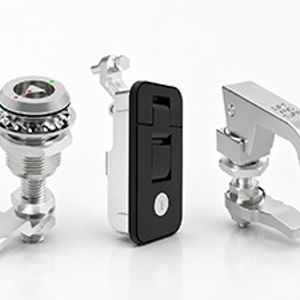
The most common latch mechanism types include cam, compression, draw, and slam latches, each designed for specific mechanical movements and securing capabilities.
Industrial environments demand highly reliable closure systems that can withstand varying degrees of physical stress, operational frequency, and environmental exposure. Engineers must first evaluate the fundamental mechanical movement required by the application before looking at any other specifications. This kinetic evaluation could involve simple rotational engagement, linear pulling force, or automatic spring-loaded locking. By categorizing these devices based on their kinetic behavior, procurement teams and designers can narrow down their options effectively and avoid specifying a component that structurally contradicts the enclosure's design. The primary goal is always to establish a secure connection between a door or panel and its frame, but the methodology changes drastically depending on whether the priority is speed of access, aggressive gasket compression, or high tensile strength. Understanding these core mechanical categories is the mandatory first step before analyzing materials, surface treatments, or environmental protection ratings.
How Do Cam Latches Actually Operate?
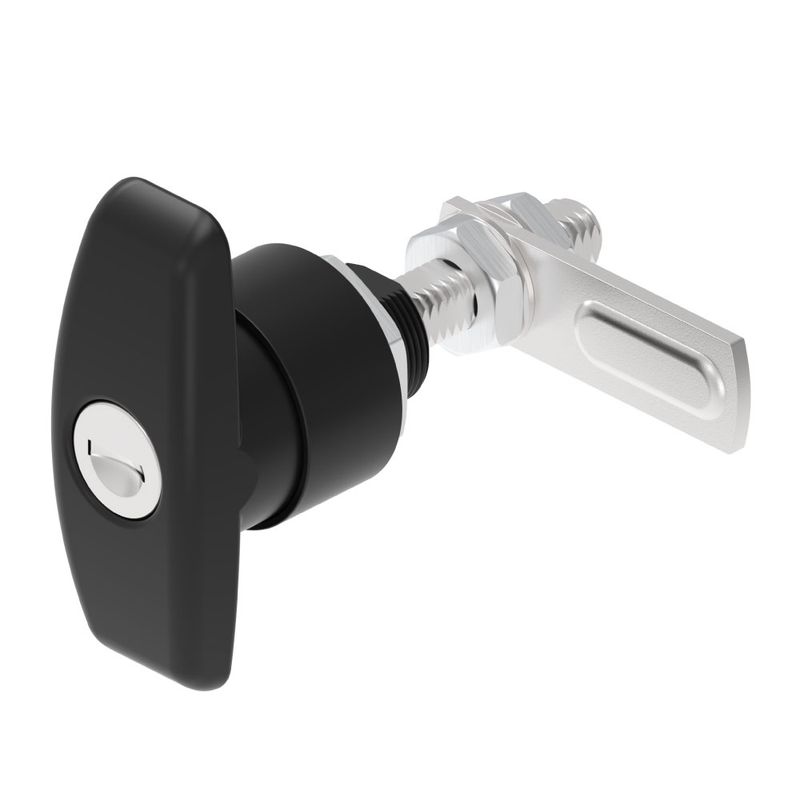
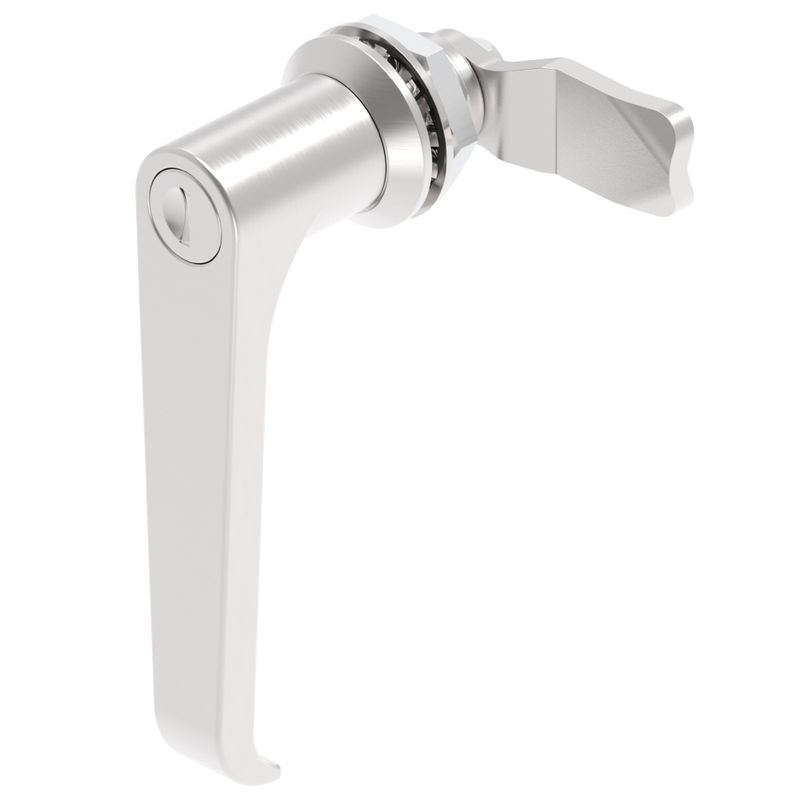
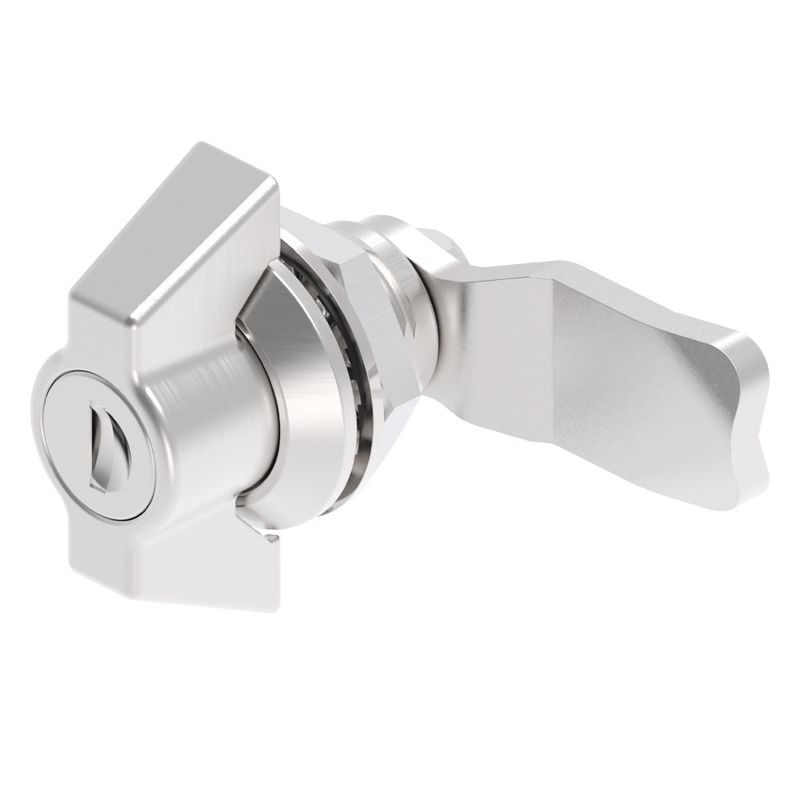
Cam latches operate by rotating a metal arm behind a frame to secure a door, offering a simple and cost-effective locking solution.
The mechanics of this system are straightforward yet highly effective for a vast majority of standard industrial enclosures. When the operator turns the external handle, knob, or key, the internal threaded shaft rotates, swinging the attached pawl into a locked position directly behind the door frame. This pure rotational motion provides a basic, reliable level of security and physical closure without unnecessarily complex internal springs or detents. They are exceptionally easy to install, requiring minimal panel preparation—usually just a single standard punched hole. This simplicity translates to significantly lower manufacturing costs and rapid assembly times on the production line, which is highly beneficial for large-scale OEM batch deliveries. However, because they rely purely on the static friction and positioning of the metal arm against the frame, they are best suited for indoor electrical cabinets, IT server racks, or control panels located in low-vibration environments where aggressive, watertight gasket compression is not the primary engineering concern.
Why Select Compression Latch Mechanism Types?
You should select compression latch mechanism types when your application requires a tight, vibration-resistant seal against dust and moisture.
Unlike standard rotary options, these advanced devices perform a highly engineered dual-action movement. Upon turning the actuator, the internal pawl first rotates into place behind the frame and then pulls linearly inward, physically drawing the door tighter against the enclosure body. This mechanical advantage is absolutely critical for maintaining gasket integrity over long periods. Industrial foam or rubber gaskets require a consistent, calculated amount of pressure to achieve their rated NEMA or IP sealing capabilities. If the closure pressure is too loose, water and microscopic particulates will bypass the seal; if the pressure is uneven or excessive, the gasket will permanently deform and fail. By utilizing these specific latch mechanism types, engineers guarantee that the closure force is distributed evenly and locked securely in place. Furthermore, the constant inward tension acts as a natural dampener against mechanical vibrations, preventing the hardware from rattling loose during the continuous, aggressive operation of diesel generators, railway cars, or heavy processing machinery.
When Are Draw Latches Absolutely Necessary?
Draw latches are necessary when pulling two panels together with high tension to ensure a firm, gasket-compressing closure.
These specialized components, frequently referred to in the industry as toggle latches or over-center systems, rely on a specific geometric pivot point to multiply the physical force applied by the operator. When the handle is pushed down, the internal mechanism crosses its center axis, locking firmly into place and generating immense pulling power between the two mounting points. This specific structural design is irreplaceable in heavy-duty enclosures, HVAC system access panels, and industrial transport containers where two separate structural halves must be mated perfectly under high stress. The high tensile strength ensures that even heavy, rigid doors are forced into proper alignment despite immense internal or external pressures. Additionally, many of these designs incorporate secondary locking mechanisms, safety catches, or padlock eyes to prevent accidental disengagement in high-traffic areas. The ability to pull components together over a physical distance also effectively compensates for minor manufacturing tolerances, thermal expansion, or structural shifting that naturally occurs over the lifespan of the heavy equipment.
How Do Slam Latches Function Effectively?
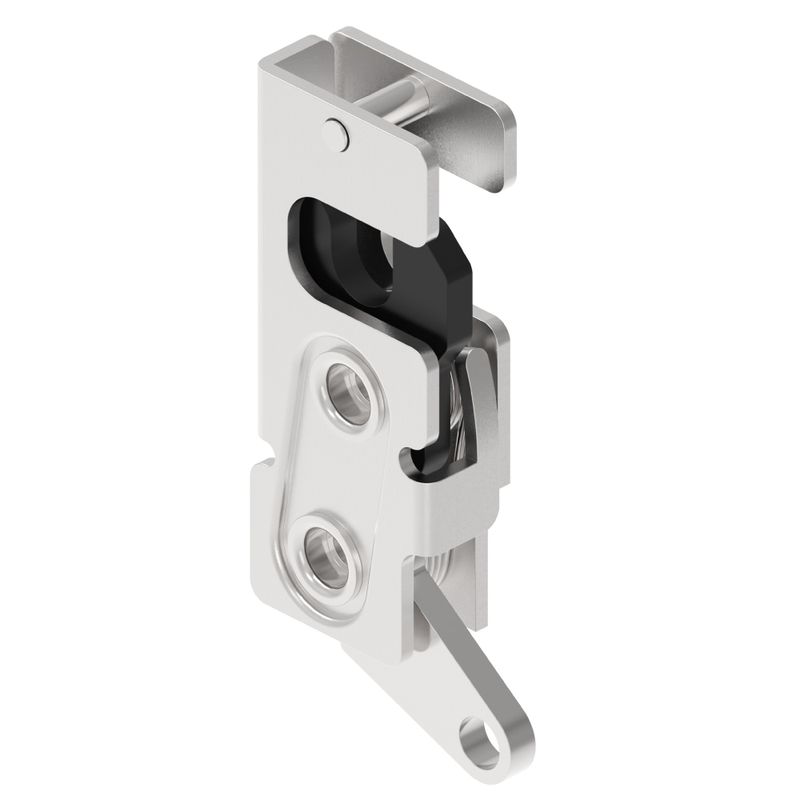
Slam latches function by utilizing a spring-loaded pin that automatically engages when a door is pushed shut, allowing for quick, single-handed operation.
Operational efficiency and speed of access are the primary engineering drivers behind this specific design. The internal heavy-duty spring mechanism keeps the bolt or pin constantly extended. When the door makes contact with the frame or the designated striker plate, the angled face of the bolt is forced backward into the housing. Once the door is fully closed and aligned, the spring instantly snaps the bolt into the locked cavity without any additional turning, twisting, or manipulation required from the user. This automatic engagement is highly valued and frequently specified in high-frequency access areas. Automotive compartments, medical carts, server racks, and industrial tool cabinets heavily rely on this functionality to ensure doors are never inadvertently left unsecured by rushing personnel. While they excel in operational convenience, engineers must carefully calculate the internal spring force and striker geometry to ensure the door closes smoothly without requiring excessive physical slamming force from the operator, which could damage sensitive internal electronics.
How Does Environment Impact Latch Selection?
Environmental factors dictate your latch selection because harsh conditions like moisture, salt spray, and continuous mechanical vibration will rapidly degrade the wrong hardware.
Moving significantly beyond the basic kinetic function, the operational environment acts as the ultimate, unforgiving test of industrial hardware longevity. A locking component that performs flawlessly in a dry, climate-controlled data center will fail catastrophically within weeks if deployed on an offshore oil rig, a chemical processing plant, or a heavy mining excavator. Engineers must conduct a thorough, data-driven environmental risk assessment before finalizing any procurement decisions or signing off on OEM blueprints. This rigorous process involves analyzing extreme temperature fluctuations, exposure to corrosive cleaning chemicals, outdoor UV weathering, and the dynamic mechanical forces generated by the equipment itself. Ignoring these critical environmental variables inevitably leads to premature equipment failure, compromised workplace safety standards, and severe financial penalties associated with unplanned operational downtime and emergency field repairs.
Which Latch Types Prevent Water Ingress?
Compression and multi-point latch types prevent water ingress by tightly pulling the door against industrial gaskets to create an impenetrable seal.
Achieving strict IP65, IP66, or IP67 ratings for outdoor industrial enclosures is a complex engineering challenge that relies heavily on the capabilities of the closure hardware. Outdoor telecom cabinets, marine control boxes, and exterior transportation compartments face constant, aggressive bombardment from driving rain, freezing snow, and high-pressure maintenance washdowns. Standard closures naturally leave microscopic gaps that water easily penetrates through capillary action, destroying internal circuitry. By deploying hardware that physically compresses the sealing gasket to a specific tolerance, these microscopic gaps are entirely eliminated. In larger, taller doors, a single point of compression is structurally insufficient because the top and bottom corners of the door may warp or flex outward under pressure. In these demanding scenarios, multi-point systems are deployed, linking a central rotary actuator to multiple locking points along the entire perimeter of the door. This sophisticated design ensures uniform gasket compression across the entire sealing surface, completely blocking moisture and protecting sensitive internal electronics from catastrophic short circuits.
How Do Vibrations Affect Latch Integrity?
Vibrations affect latch integrity by causing standard mechanisms to loosen over time, making anti-vibration compression designs essential for heavy machinery.
Continuous mechanical oscillation is widely considered one of the most destructive hidden forces acting upon industrial hardware. In operational environments involving diesel standby generators, railway rolling stock, or heavy construction machinery, the constant shaking transfers kinetic energy directly into the locking components. Standard rotary designs relying solely on static friction will inevitably back off their locked position due to this energy, leading to the heavy door rattling open during active operation. This presents a severe safety hazard to nearby operators and instantly exposes delicate internal moving parts to external dirt, debris, and moisture. To effectively mitigate this structural risk, engineers must specify hardware with integrated anti-vibration features. This includes specifying designs with over-center locking geometry, secondary internal detent clicks that lock the shaft in place, or heavy-duty internal springs that maintain constant, unyielding tension against the pawl. These specialized mechanisms absorb the kinetic energy and maintain their secure grip, ensuring the enclosure remains tightly sealed regardless of the operational intensity.

What Materials Suit Specific Latch Mechanisms?
The materials that best suit specific latch mechanisms depend entirely on the balance between required tensile strength, corrosion resistance, and project budget.
The physical geometry and kinetic movement of a component only represent half of the engineering equation; the metallurgical or polymer composition dictates its ultimate performance ceiling and longevity. For engineers and procurement managers, choosing the right material involves navigating a complex array of properties to ensure the most reliable, cost-efficient solution for heavy-duty industrial applications. Selecting an overly robust, expensive material for a light-duty indoor application inflates manufacturing costs unnecessarily, while under-specifying the material leads to catastrophic field failures and damaged brand reputation. The decision-making process must rigorously evaluate the yield strength necessary to withstand the application's physical loads, the chemical resistance required for the specific operating environment, and the manufacturing processes available to produce the specific latch mechanism types required at scale.
Is Stainless Steel Always The Best?
Stainless steel is not always the best choice if your project requires complex geometries or lightweight components, despite its superior corrosion resistance.
There is a pervasive, common misconception in industrial procurement that simply upgrading every component to stainless steel automatically resolves all hardware issues. While austenitic grades like 304 and 316 offer unparalleled, industrial-grade resistance to rust, harsh cleaning chemicals, and extreme temperature fluctuations, they come with significant structural and financial drawbacks. The high raw material cost and inherently difficult machining properties make stainless steel incredibly expensive for large OEM batch deliveries. Furthermore, the material is exceptionally heavy, which can be detrimental in aerospace, automotive, or high-speed transportation applications where weight reduction is critical. However, in environments governed by strict hygiene and sanitary standards, such as food processing plants, pharmaceutical manufacturing facilities, or marine applications constantly exposed to corrosive salt spray, the investment in 316 stainless steel is absolutely mandatory. For general industrial applications without these extreme chemical or sanitary requirements, specifying stainless steel often represents an inefficient allocation of the project budget.
When Should You Choose Zinc Alloy?
You should choose zinc alloy when you need a highly durable, cost-effective material that can be die-cast into precise, complex latch shapes.
Zinc alloy remains the undisputed backbone of industrial hardware manufacturing worldwide due to its exceptional balance of structural integrity, weight, and production efficiency. The high-pressure die-casting process allows manufacturers to create intricate internal locking geometries, precise threading, and smooth, ergonomic external handles rapidly and consistently. This makes it the ideal candidate for standard industrial enclosures, electrical distribution cabinets, and general machinery access panels. While raw, untreated zinc is susceptible to surface oxidation over time, it is highly receptive to a wide variety of industrial surface treatments. By applying professional powder coating, chrome plating, or black electrophoresis, engineers can significantly elevate the material's corrosion resistance to easily meet demanding indoor and moderate outdoor environmental requirements. This manufacturing versatility allows OEM clients to achieve the necessary mechanical strength, operational reliability, and aesthetic finish at a fraction of the cost associated with raw stainless steel fabrication.

How Can Custom Latches Solve Problems?
Custom latches solve complex problems by addressing unique dimensional constraints, extreme environmental demands, and specific security requirements that standard off-the-shelf hardware cannot handle.
Despite the vast, comprehensive catalog of standard industrial hardware available on the global market, complex engineering projects frequently encounter unique structural, spatial, or operational bottlenecks. Standard components are inherently designed to accommodate the broadest possible range of average applications, which means they are not optimized for highly specialized, demanding tasks. When off-the-shelf solutions fail to align with a specific door thickness, clash with internal electronic routing, or fall short of required IP sealing ratings, forcing a standard component into the design inevitably compromises the entire machine's integrity. Engaging with an experienced manufacturer for dedicated OEM or ODM services bridges this critical gap. Custom engineering allows for precise, granular control over every variable, ensuring the final hardware integrates flawlessly into the larger structural ecosystem without requiring secondary modifications.
Why Consider Custom Latch Mechanism Types?
You should consider custom latch mechanism types when standard components fail to meet your required IP sealing ratings or conflict with your equipment's structural design.
The strategic decision to transition from standard catalog procurement to custom engineering is usually driven by a specific point of failure identified during the early design phase or during rigorous field testing. Perhaps the required grip range falls exactly between two standard catalog sizes, leading to inadequate gasket compression and subsequent water leaks. Alternatively, the external handle might protrude too far from the panel surface, violating strict safety regulations in tight industrial corridors or shipping containers. Customization can range from highly efficient simple modifications, such as altering the internal shaft length or changing the pawl offset, to entirely new tooling designed from the ground up for a proprietary application. For engineers and OEM clients, ForndLock customizes physical dimensions, internal spring tension, and material composition to precise project specifications, ensuring seamless batch integration and eliminating costly secondary modifications on assembly lines.
How Did We Help A German OEM?
We helped a German machinery OEM by designing a customized heavy-duty compression latch that eliminated their severe vibration-induced door failures.
A prominent German mechanical equipment OEM approached our engineering team facing a critical, recurring safety issue with their newly designed heavy industrial crushers. The intense, low-frequency vibrations generated during the crushing operation were causing standard rotary latches to spring open unexpectedly. This dangerous failure exposed operators to moving internal parts and forced the machinery's sensors to trigger automatic emergency shutdowns, resulting in severe safety hazards and unacceptable levels of costly downtime for their global end-users. After a thorough engineering analysis of the kinetic forces and structural harmonics involved, we determined that standard off-the-shelf options simply lacked the necessary internal friction and mechanical geometry to counteract that specific vibration frequency.
In our experience as an industrial locking solutions manufacturer, we knew a highly specialized, engineered approach was required to salvage the project. We engineered a custom adjustable compression latch utilizing an upgraded, high-density zinc-alloy die-casting process for enhanced structural durability. The critical innovation was the integration of a proprietary secondary internal locking detent combined with a high-tension steel spring mechanism that actively resisted rotational backing-off under severe oscillation. Following the implementation of this custom solution, extensive field tests yielded zero accidental openings during peak operational loads. This precise engineering intervention significantly reduced maintenance callouts, streamlined their batch assembly process by eliminating the need for secondary external safety brackets, and fully restored the reliability and market reputation of their heavy machinery line.
How To Finalize Your Latch Choice?
You can finalize your latch choice by evaluating your specific operating environment, calculating load requirements, and consulting with an experienced industrial hardware manufacturer.
Selecting the right hardware is a critical engineering decision that dictates the lifespan, safety compliance, and overall operational efficiency of the entire equipment ecosystem. It requires a highly systematic approach that moves logically from understanding basic mechanical movements to deeply analyzing environmental threats and material properties. Procurement teams and design engineers must carefully balance the strict need for robust vibration resistance, precise gasket compression, and long-term corrosion protection against the practical realities of project budgets and manufacturing timelines. Integrating the correct latch mechanism types ensures that enclosures remain perfectly sealed, sensitive moving parts remain protected, and OEM batch deliveries proceed smoothly without costly compatibility issues. When standard options create structural bottlenecks, leveraging custom engineering expertise provides the precise, reliable solution necessary for long-term project success.
Based on ForndLock’s extensive manufacturing experience, we are fully equipped to support your most demanding engineering challenges. Whether you require technical guidance on selecting the optimal standard components for your electrical cabinets or need comprehensive ODM support for heavy-duty machinery, our engineering team is ready to assist. We invite procurement officers, design engineers, and OEM clients to send their project requirements, technical drawings, or requests for physical samples and custom solutions directly to our engineering department at: [email protected]