Loading...

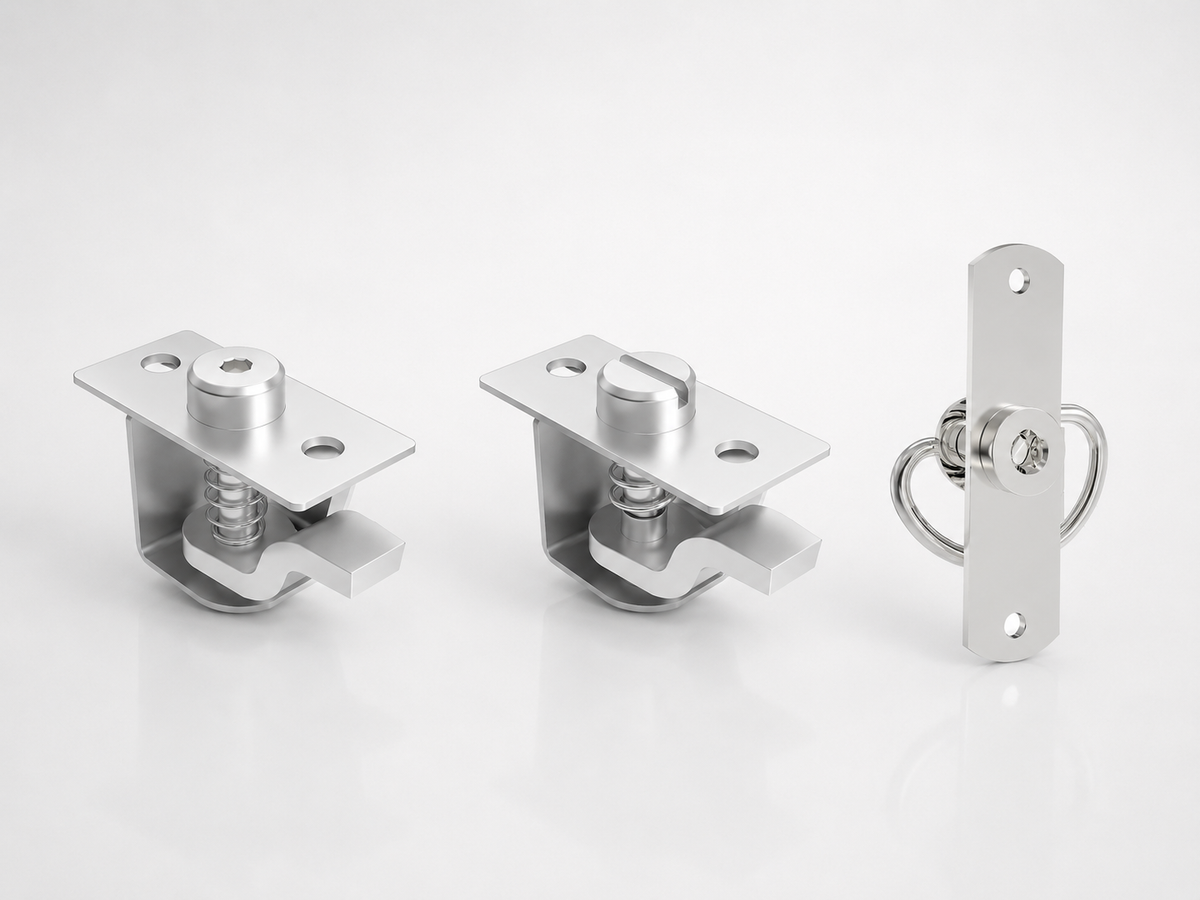
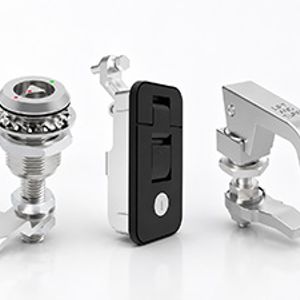
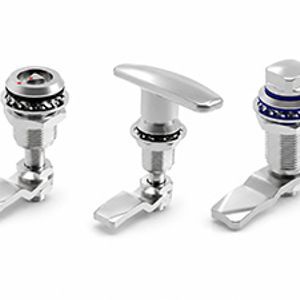
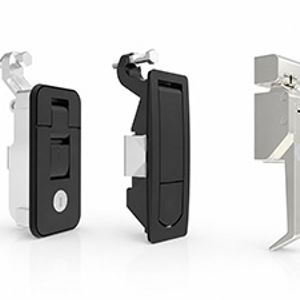
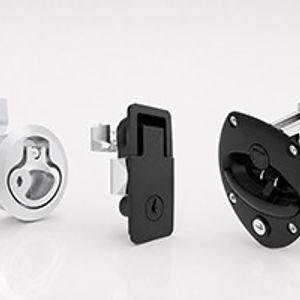
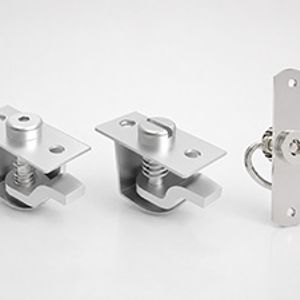
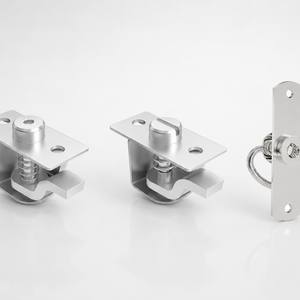
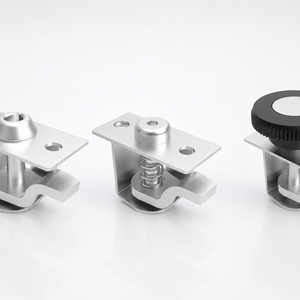
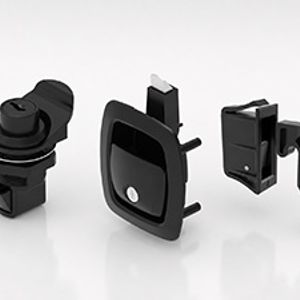
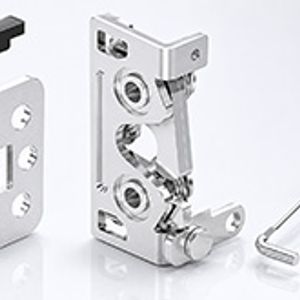
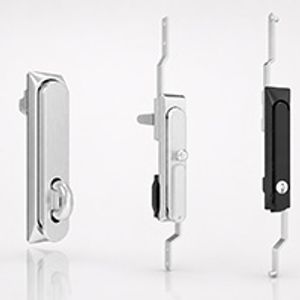
Adopts a spring automatic compensation compression structure, which continuously provides stable clamping force under conditions of door panel vibration, thermal expansion and contraction, or installation tolerance variations, achieving reliable locking and vibration resistance. The compact structure and simple operation make it suitable for industrial doors that require frequent opening and stable sealing. Widely used in: HVAC air conditioning and ventilation equipment, electrical enclosures and control boxes, industrial equipment maintenance doors, refrigeration cabinets and food equipment, toolbox and cabinet door panels, vehicle equipment hatches, and construction machinery.
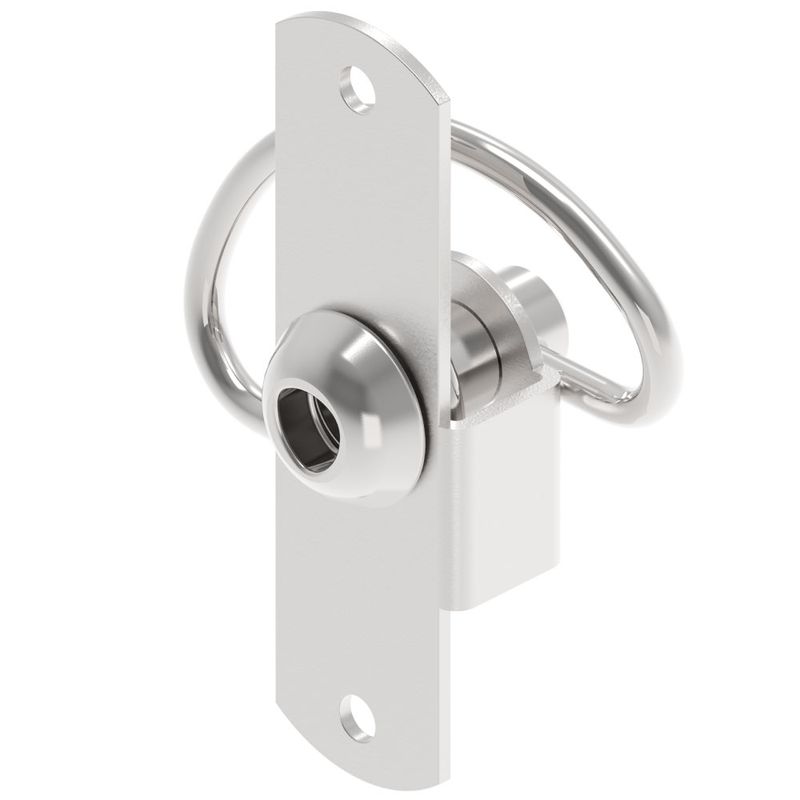
Self-Adjusting Spring Compression Lock
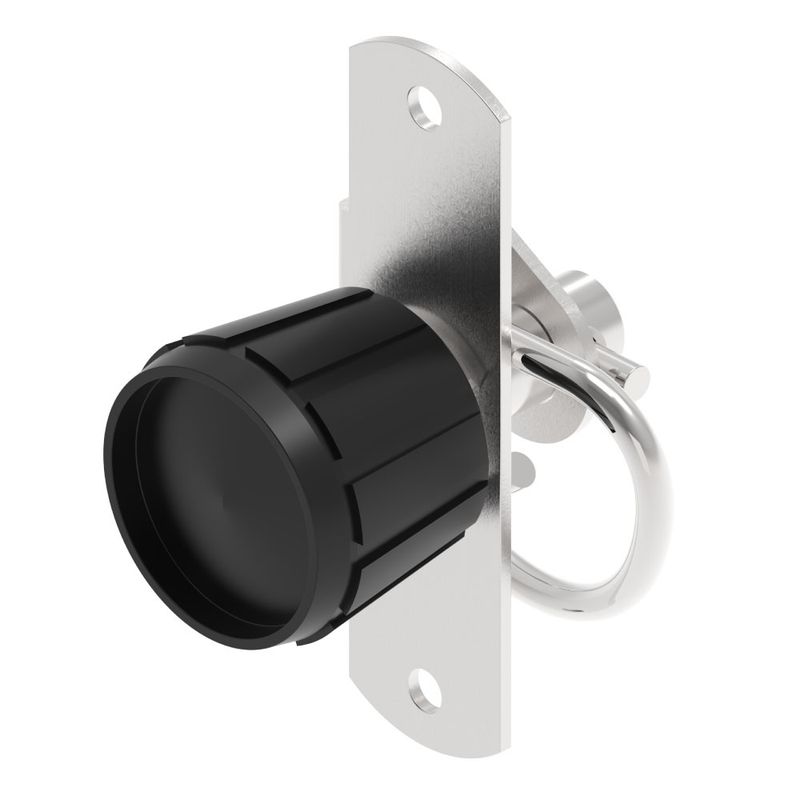
Self-Adjusting Spring Compression Lock
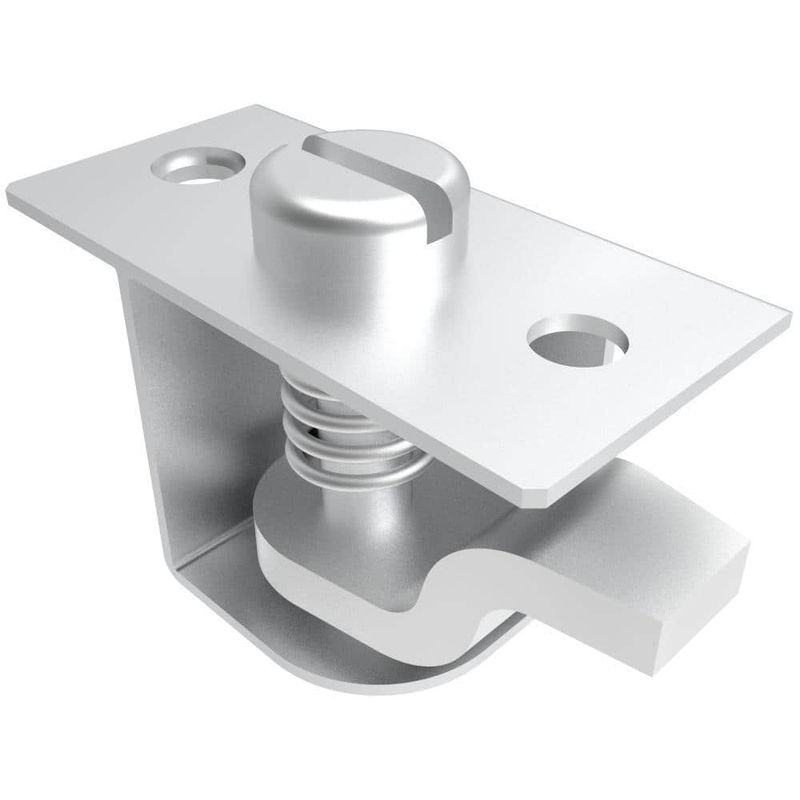
Self-Adjusting Spring Compression Lock
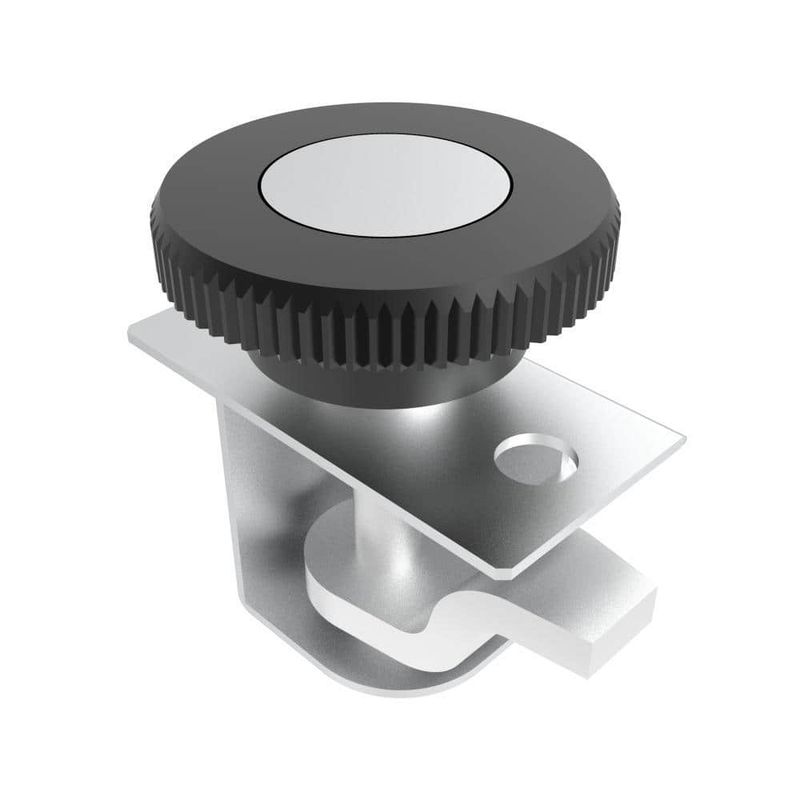
Self-Adjusting Spring Compression Lock
Panel gaps rarely remain perfect after assembly. Sheet metal tolerances, gasket compression, coating thickness, vibration, repeated openings, and temperature changes can all affect the closing position of the enclosure door. ForndLock has developed a compression spring latch solution for applications that require simple rotation to pull the panel into place, while the spring latch tongue absorbs small variations in the fit.
Applications | Why Compression Spring Latches Work | Recommended Configurations |
|---|---|---|
Telecom Cabinets / 5G Enclosures | Outdoor temperature cycling changes the fit of the door | Stainless Steel, Tool Locking, Passivated Surface |
HVAC and Ventilation Units | Air pressure and vibration affect panel contact | Smooth Spring Cam Latch, Screw or Rivet Mounted |
Generator Enclosures | Heat and vibration can loosen standard latches | Tool-Operated Spring-Loaded Latch |
Rail Equipment Cabinets | Long-term vibration requires stable engagement | Toothed Spring Style and Restricted Access Head |
Industrial Automation Panels | Frequent access requires repeatable closure | Knob or Hex Socket Compression Spring Latch |
Outdoor Electrical Enclosures | Moisture and gasket compression require stable sealing | Stainless Steel, Passivated, Gasket-Compatible Design |
Vehicle Equipment Compartments | Road vibration affects door closure | Spring-Loaded Latch with Enhanced Mounting |
Manufactured by ForndLock Compression Spring Latch and Spring-Loaded Latch Solutions for industrial enclosures, telecom cabinets, HVAC, generators, rail, vehicle equipment, and access panel projects, providing OEM/ODM customization, engineering selection support, sample validation, rapid production coordination, and global supply capabilities.
Not entirely correct. Spring-loaded door latches typically refer to a general spring-assisted door holding component, while spring-loaded compression latches provide spring compensation and sealing compression for industrial doors, equipment panels, HVAC units, and enclosures.
The compression latch is a latch that uses spring action and compression movement to pull the panel or door into a stable closed position. This latch is used when the gap between the door, the thickness of the gasket, or the frame tolerances may change during assembly or operation.
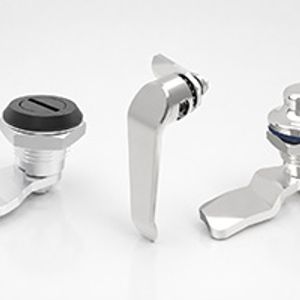
The spring latch engages with the frame by using a spring-loaded lock tongue or cam after a rotational or closing motion. The spring absorbs minor fitting variations and helps maintain a tight seal of the door or panel under vibration.
When the existing compression spring latch produces noise, loses elasticity, fails to compensate for the gasket, or no longer fits the gap between the door and frame after long-term use, please choose a compression latch for replacement.
Before installing the Compression Latch, please check the door thickness, mounting hole layout, grip range, frame clearance, head style, access restrictions, material, surface finish, and whether the door requires gasket compression.
Heavy-duty spring lock pins typically secure or position moving components through a spring-loaded pin, while compression latches pull the door or panel toward the frame to enhance closure and fit.
The compression spring latch focuses on pulling the panel inward through compression, while the spring door latch emphasizes keeping the door in a closed position. Some industrial designs combine these two functions.
Yes. ForndLock supports customization of Compression Latch, including head style, mounting method, material, surface treatment, packaging, key configuration, and specific application adaptation requirements.
Stainless steel that has undergone passivation treatment is typically more suitable for outdoor compression latch applications, as it enhances corrosion resistance in humid, dusty, or exposed environments.
When selecting a spring latch mechanism, please confirm the door gap variation, vibration levels, installation space, access control requirements, operating frequency, and whether the panel requires gasket compression.
Yes, the Compression Latch can improve sealing performance by pulling the panel towards the frame and supporting gasket contact, especially when there are slight variations in panel fit.
Tell us your requirements and we'll provide customized solutions.
Contact Our Engineers