Loading...


Adopting an elastic compensation and automatic clamping structure design, it can automatically maintain stable clamping force under door panel tolerances, seal compression variations, or long-term vibration environments, achieving quick closure and reliable locking. Compared to traditional compression locks, the structure is simpler and more cost-effective, making it suitable for mass industrial equipment applications. Widely used in: electrical enclosures and control boxes, HVAC equipment, industrial cabinets and sheet metal doors, toolboxes and equipment maintenance doors, automation equipment housings, lightweight vehicles, and engineering equipment hatches.
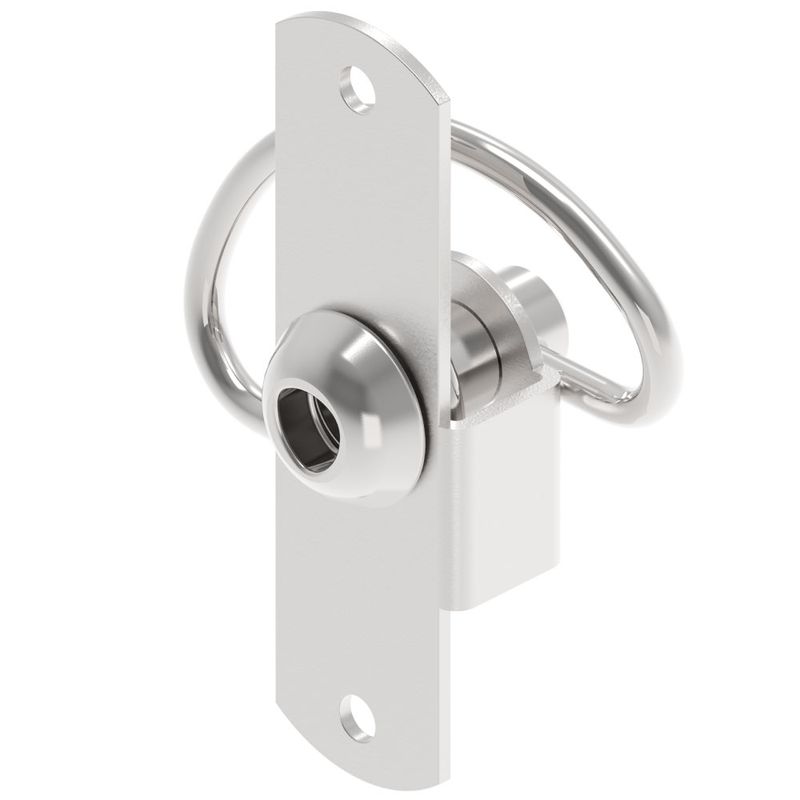
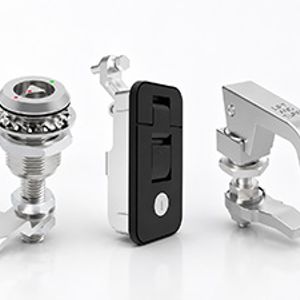
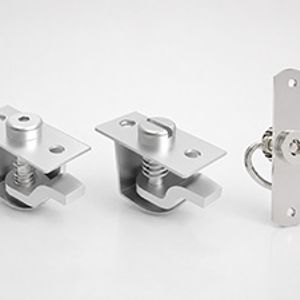
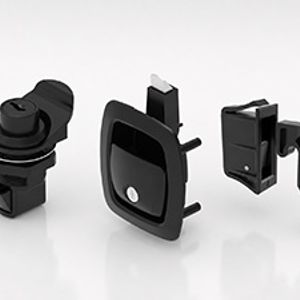
Self-Adjusting Spring Compression Lock
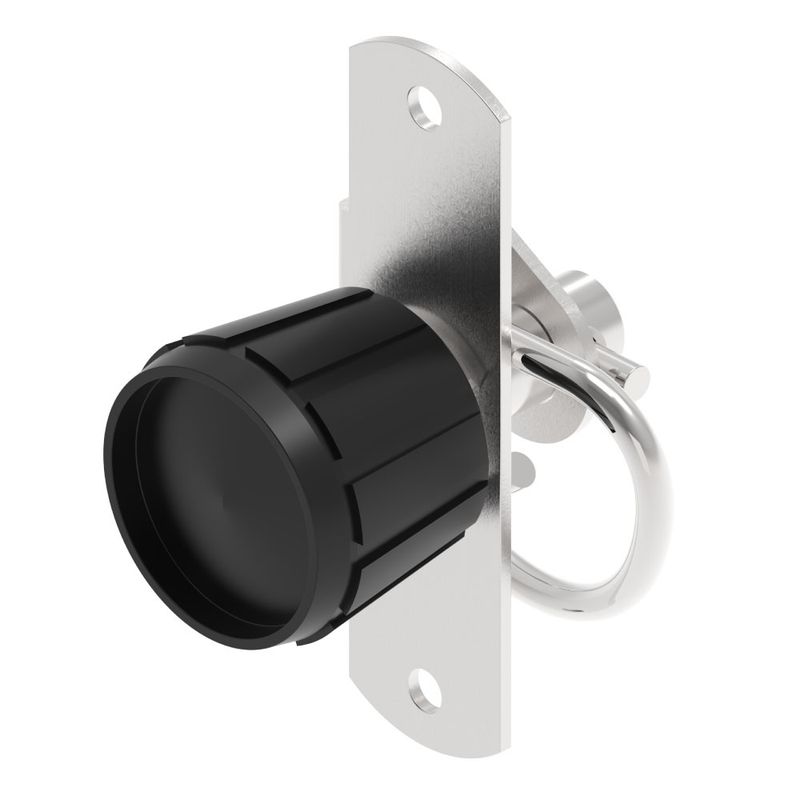
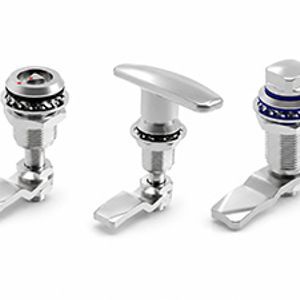
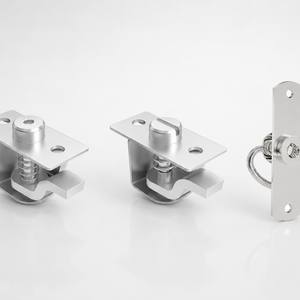
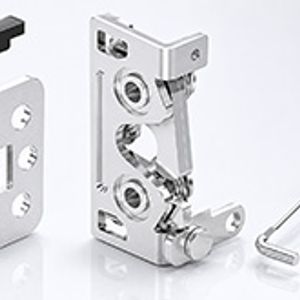
Self-Adjusting Spring Compression Lock
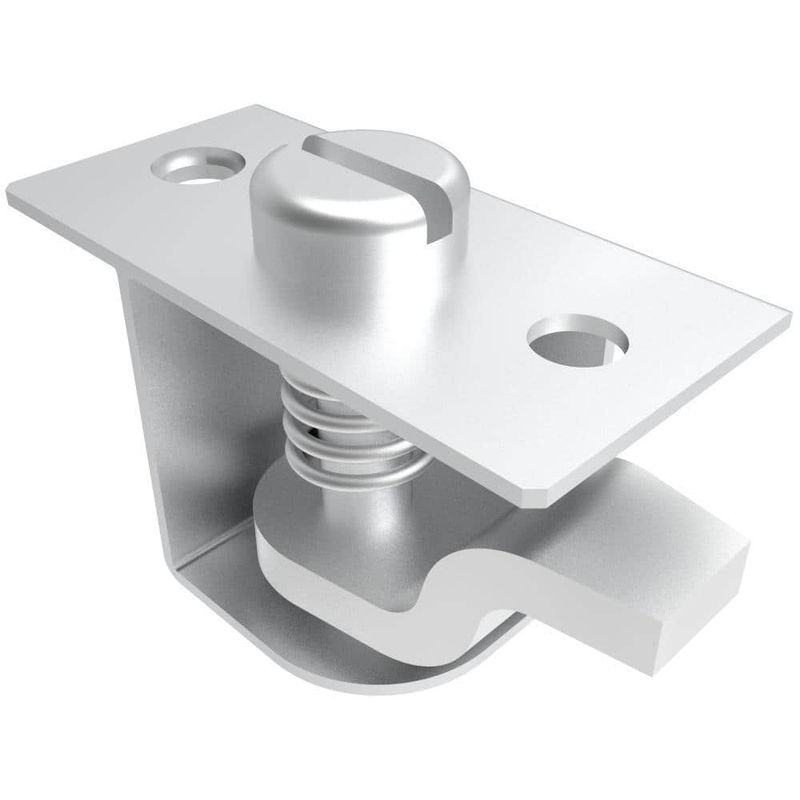
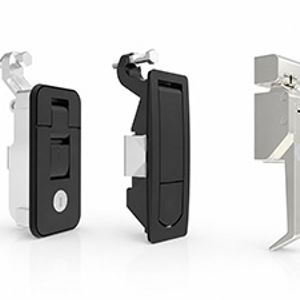
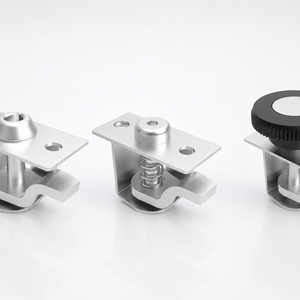
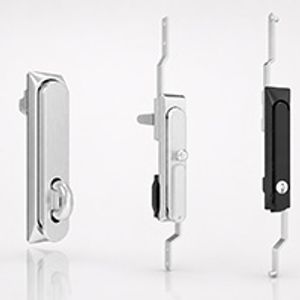
Self-Adjusting Spring Compression Lock
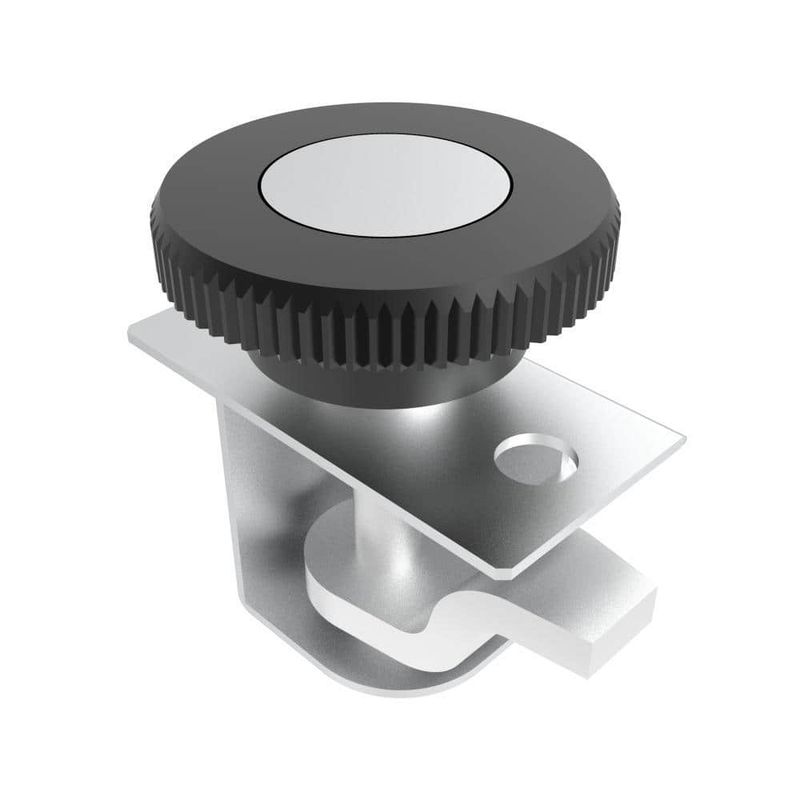
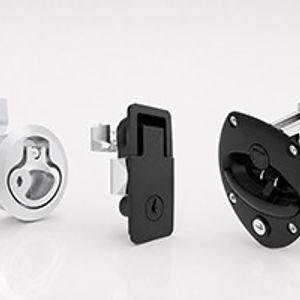
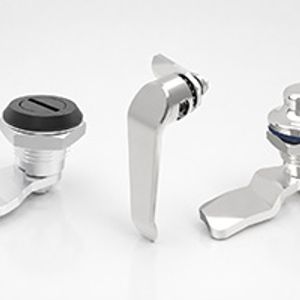
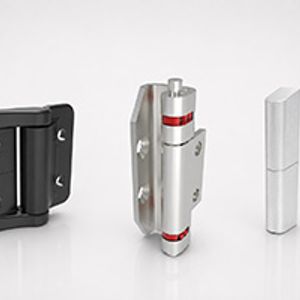
Self-Adjusting Spring Compression Lock
When the enclosure door, equipment panel, gasket, and metal frame cannot maintain complete consistency, fixed cam latches may lose compression over time. ForndLock has developed Self-Adjusting Compression Latch solutions for panel tolerances, gasket rebound, vibration, thermal expansion, and repeated access that may change the closing gap during service.
This latch category uses a spring-assisted cam or spring claw structure to pull the panel toward the frame with a quick rotation. The latch does not rely on a single fixed gripping point but compensates for gripping variations and helps maintain a stable closure on industrial cabinets, communication enclosures, HVAC units, generator enclosures, railway cabinets, and outdoor equipment panels.
ForndLock operates a 50,000㎡ factory that offers a range of self-adjusting latches made of stainless steel, galvanized steel, nylon knobs, tool-driven, knob-driven, single-hole, three-hole, and rivet/screw through-hole mounting configurations suitable for OEM/ODM projects and large-scale production.
Self-adjusting latches are not just another standard cam lock with a different head type. Their main value lies in tolerance absorption. In actual equipment assembly, the final gap between the door and the frame may vary due to metal plate bending, gasket thickness, painting, vibration fatigue, or installation deviations.
Engineering Issues | Risks of Fixed Compression Latches | Advantages of Self-Adjusting Latches |
|---|---|---|
Tolerance Variations Between Door and Frame | The door may close too loosely or too tightly | Spring claws adapt to varying grip ranges |
Gasket compression loss | Sealing performance may decline | Maintaining controlled panel pull-up |
Vibration and transport shocks | Panel noise, looseness, or detachment | Helps maintain stable closing tension |
Thermal expansion | Gap changes after heating or cooling | Compensate for small dimensional changes |
Repeated maintenance access | May require manual adjustment | Reduce recalibration frequency |
A Spring-Loaded Compression Latch works by combining rotational drive with spring-assisted clamping. When the operator rotates the knob, tool head, or T-handle, the cam or claw moves behind the frame and pulls the panel inward. The spring portion absorbs gripping variations and helps maintain latch engagement, even if the panel stacking is not completely uniform.
Structural Terms | Function | Best Use Cases |
|---|---|---|
Spring Cam Latch | Utilizes cam motion and spring force to compensate for gripping variations | General equipment doors and access panels |
Compression Spring Latch | Utilizes spring action to maintain clamping tolerances | Panels with gasket thickness variations |
Adjustable Compression Latch | Allows grip or cam depth adaptation | Enclosures with various panel thicknesses |
Tool-Driven Self-Adjusting Latch | Requires tool access operation | Industrial safety panels and restricted access cabinets |
Knob-Driven Self-Adjusting Latch | Manual operation without tools | Frequently opened service panels |
For applications where preset compression force is less important than easily compensating for tolerances, Compression Spring Latch can reduce assembly adjustment time and simplify field maintenance.
ForndLock's self-adjusting latch series can be selected based on mounting method, operating head, access restrictions, and size categories. This is important because panel layout, user access frequency, and security requirements often determine the final latch structure before material selection.
Selection Dimensions | Available Options | Engineering Considerations |
|---|---|---|
Size Categories | Mini, Sub-Size, Medium, Large | Match cabinet size, door weight, and available mounting space |
Mounting Methods | Single-hole, three-hole, rivet/screw through-hole | Match panel cutouts, reinforcement plates, and assembly methods |
Drive Styles | Coin slot, hex socket, triangular recess, textured knob, nylon knob, T-handle | Balance access speed and operational control |
Access Restrictions | Tool lock, key locking, unrestricted knob | Select based on security, maintenance, and tamper-proof needs |
Spring Types | Smooth spring, serrated spring, cam spring structure | Select based on grip stability and vibration needs |
Material Bodies | Stainless steel, galvanized steel, nylon/reinforced polymer components | Match indoor, outdoor, corrosive, or cost-sensitive projects |
The right material is determined by the enclosure environment, not just by cost. Outdoor cabinets, railway equipment, marine side enclosures, and HVAC units may require different corrosion resistance, surface treatments, and operational feel.
Materials/Surface Treatments | Typical Benefits | Recommended Applications |
|---|---|---|
Stainless Steel with Passivation Treatment | Corrosion-resistant and stable surface cleanliness | Outdoor enclosures, marine side panels, exposed to humid equipment |
Steel with Electroplated Coating | Affordable protection suitable for general industrial use | Indoor cabinets, machinery panels, electrical equipment enclosures |
Bright Galvanized Steel | Cost-effective appearance and basic corrosion resistance | Standard enclosure projects and controlled environments |
Nylon Knobs or Plastic Knobs | Lightweight manual operation and electrical insulation support | Service panels, control cabinets, frequently accessed compartments |
Stainless Steel + Smooth Spring | Stable operation and long service life | Equipment that requires frequent on-off switching |
The strongest use case for this product category is not maximum load but tolerance control. When cabinets or panels may shift, vibrate, expand, contract, or settle over time, Self-Adjusting Compression Latch helps maintain closure consistency.
Applications | Why Self-Adjusting Structures Are Helpful | Recommended Configurations |
|---|---|---|
5G Communication Cabinets | Outdoor temperature cycling alters gasket and panel fit | Stainless steel, tool-driven, corrosion-resistant surface treatment |
HVAC and Ventilation Units | Air pressure, vibration, and gasket compression change over time | Adjustable Compression Latch with Spring Cam Action |
Generator Enclosures | Heat and vibration affect door closure stability | Tool-driven or T-handle spring-loaded compression latches |
Railway Equipment Cabinets | Long-term vibration and maintenance cycles affect fit | Three-hole mounting, steel or stainless steel, restricted access |
Industrial Automation Panels | Frequent maintenance may lead to alignment changes | Knob-driven or tool-driven compression spring latches |
Outdoor Electrical Enclosures | Moisture, dust, and frame tolerances require reliable sealing | Stainless steel body, passivation treatment, custom grip range |
ForndLock is positioned as Self-Adjusting Compression Latch Manufacturer industrial locks and access hardware projects. Its value lies not only in providing standard latches but in helping users translate panel drawings, installation requirements, and operating environments into stable production-ready latch configurations.
Manufacturing Capabilities | Project Value |
|---|---|
50,000㎡ Factory | Supports standard series production and large batch project supply |
Multiple Latch Production Lines | Covering compression latches, cam locks, handles, hinges, and access hardware |
Engineering Support | Helps confirm grip ranges, mounting holes, head types, and material selections |
OEM/ODM Development | Supports custom drive styles, surface treatments, key codes, body materials, and packaging |
Sample Validation | Allows fit checks before mass production |
Batch Consistency Control | Helps maintain dimensional stability in repeat orders |
Global Supply Support | Suitable for equipment manufacturers, cabinet manufacturers, and project distributors |
ForndLock manufactures self-adjusting compression latches and compression spring latch solutions for industrial enclosures, communication cabinets, HVAC, generators, railway, and equipment panel projects, providing OEM/ODM customization, drawing-based model selection, sample validation, rapid production coordination, and global supply support.
The self-adjusting compression latch does not require the same manual adjustment as a fixed cam latch. The spring pawl or spring cam structure compensates for clamping variations as the latch rotates, while certain models also allow for the selection of cam depth or clamping range during installation.
The compression latch pulls the door or panel towards the frame when rotated. This creates clamping force on the gasket or contact surface, which helps improve sealing, reduce vibration noise, and keep the panel closed during equipment operation.
Common types include fixed compression latches, adjustable compression latches, self-adjusting compression latches, lift-and-rotate compression latches, spring-loaded compression latches, tool-operated latches, key locking latches, and knob-operated latches.
The self-adjusting compression latch utilizes spring action to compensate for grip variations during use, while the adjustable compression latch typically relies on manually set cam depth or grip position. The self-adjusting model performs better when panel tolerances change over time.
The spring-loaded compression latch is suitable for panel gaps that may change due to gasket compression, thermal expansion, vibration, or assembly tolerances. It is commonly used in HVAC units, telecommunications enclosures, generator housings, and industrial access panels.
Yes, ForndLock offers a series of Self-Adjusting Compression Latches made from Stainless Steel, steel, nylon knobs, tool-operated, knob-operated, single hole, three holes, and spring cam options, suitable for OEM/ODM projects and mass production.
The compression latch is used to maintain a stable closure of panels, suitable for situations where doors or frames may not be perfectly aligned. The spring structure helps absorb slight clamping variations and keeps the latch in a locked state under normal vibrations and repeated access.
Yes. ForndLock can support different head styles, such as coin slot, hex socket, triangular groove, patterned knob, nylon knob, and T-handle, depending on access restrictions, user operation frequency, and equipment security requirements.
It is recommended to use passivated stainless steel in outdoor or humid environments. Galvanized steel can be used in controlled industrial environments, while nylon or reinforced polymer knobs are suitable for light manual operations.
This is not always the case. When the primary requirement is high load and strong retention, a heavy-duty compression latch is preferred; whereas when the main concerns are grip variation, panel tolerances, and long-term closure consistency, a self-adjusting compression latch is preferred.
Yes, the spring latch can help reduce loosening caused by vibrations, as the spring structure can maintain locking amidst minor changes in panel position, compression of the small gasket, or alignment of the frame.
Before placing an order, please confirm the door thickness, grip range, mounting hole layout, required head style, access restrictions, material, surface finish, operating environment, sample testing requirements, and expected order quantity.
Tell us your requirements and we'll provide customized solutions.
Contact Our Engineers