Loading...

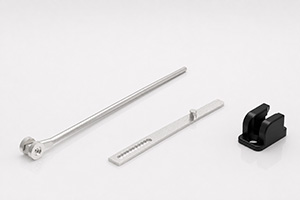
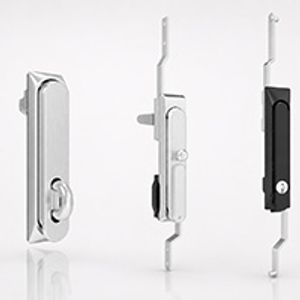
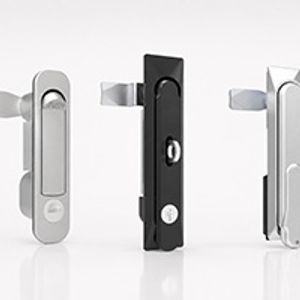
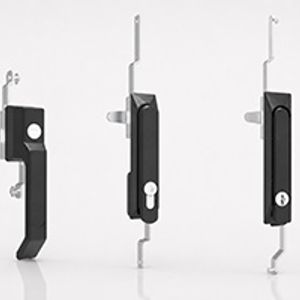
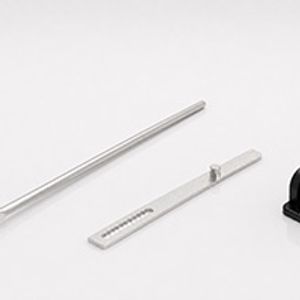
Rod Control Locking Components are primarily used in conjunction with multi-point door locks, rotary handle locks, and rod-controlled locking systems to achieve multi-point locking of the door body both vertically and horizontally. This series of products includes locking rods, connecting rods, guide components, fixed bases, adjustment components, and limit accessories, which can be flexibly combined and installed according to different door structures. The products are typically made of galvanized steel, stainless steel, or engineering plastics, offering good strength, corrosion resistance, and long-term stability. The locking rods enable synchronous vertical movement, while the guide components stabilize the movement trajectory of the rods and reduce friction and vibration, enhancing the reliability and smoothness of the entire locking system. ForndLock Custom Rod Control Locking Components are widely used in electrical enclosures, distribution cabinets, communication cabinets, energy storage devices, new energy enclosures, industrial control cabinets, rail transit, and outdoor equipment doors, meeting the multi-point compression, shock resistance, and security locking needs of doors of various sizes.
No matching products found
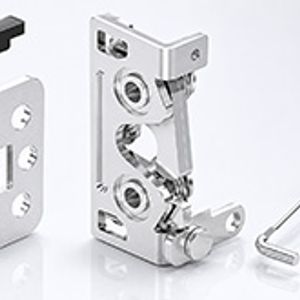
Rod Control Locking Components are engineered mechanical transmission parts designed to enable synchronized motion within industrial rod-driven locking systems. These components form the structural foundation of multi-point locking architectures used in industrial enclosure doors, ensuring stable force transfer and consistent locking performance under mechanical stress.
ForndLock manufactures Custom Rod Control Locking Components for industrial cabinet systems, supporting applications where structural precision, vibration resistance, and long-cycle durability are critical.
Mechanical Architecture of Rod Transmission Components
The rod control system operates through a mechanical linkage architecture where rotational or linear input is transmitted through rods and guide elements to multiple locking points.
Rod Control Locking Components from ForndLock are engineered for industrial-grade enclosure systems requiring precise force transmission, stable multi-point synchronization, and long-term mechanical durability.
ForndLock provides custom engineering support, scalable production capacity, and application-specific design for global industrial cabinet manufacturers.
Rod control locking components are used when the locking system is already defined, and only mechanical transmission parts (rods, guides, connectors) need replacement, upgrade, or customization rather than a full handle system.
Common issues include uneven multi-point engagement, rod bending under load, misalignment during repeated cycling, and increased door vibration due to insufficient structural guidance.
Yes. Properly designed rod systems distribute compression force evenly across sealing surfaces, reducing localized pressure loss and improving dust and water resistance.
Stainless steel is preferred for corrosion resistance, galvanized steel for structural strength, and engineering plastics for low-friction guide elements.
Locking rods are only one part of the system, while rod control components include rods, guides, connectors, brackets, and adjustment parts that ensure full mechanical synchronization.
Yes. Components can be engineered based on cabinet height, door thickness, locking stroke, and multi-point configuration requirements.
Typical issues include uneven force distribution, premature wear, poor locking synchronization, and reduced long-term structural stability.
Tell us your requirements and we'll provide customized solutions.
Contact Our Engineers