Loading...

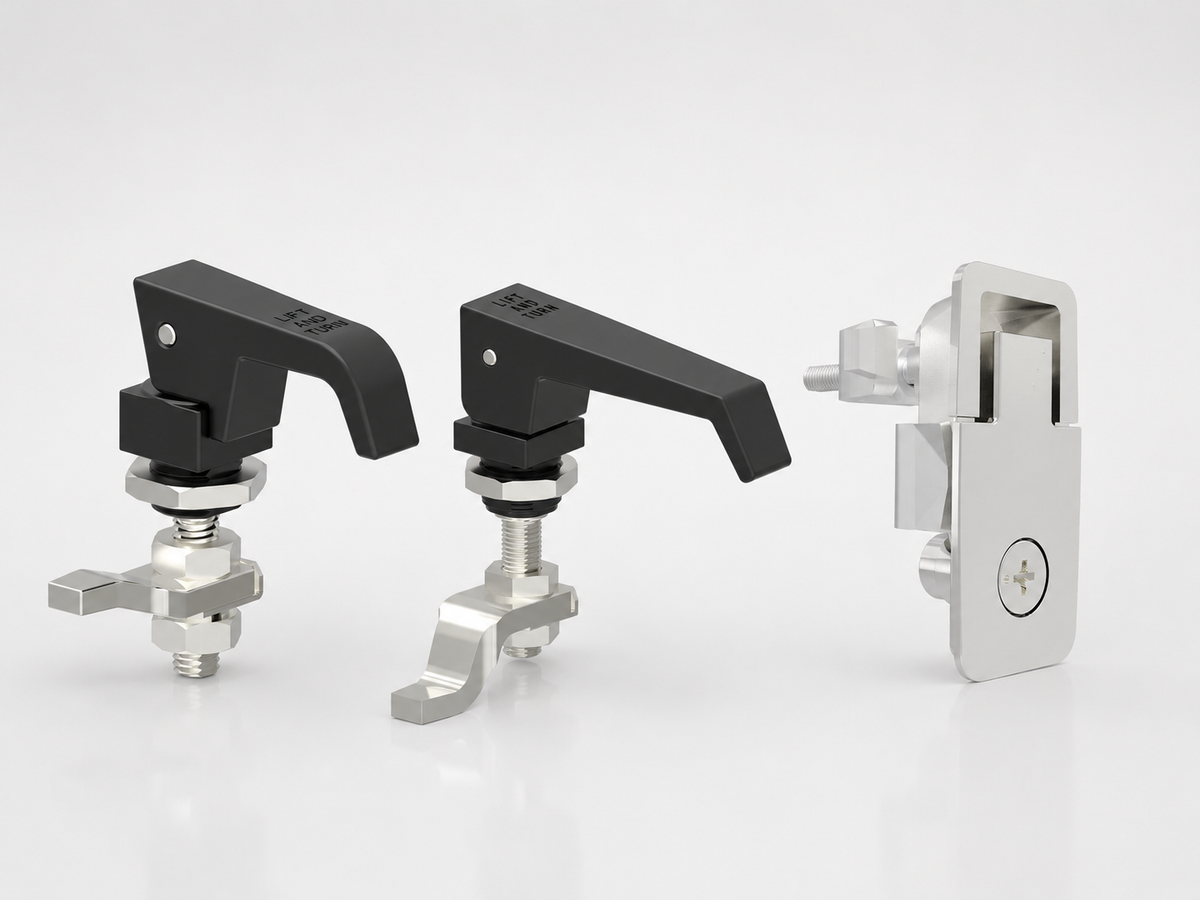
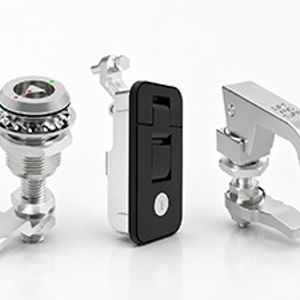
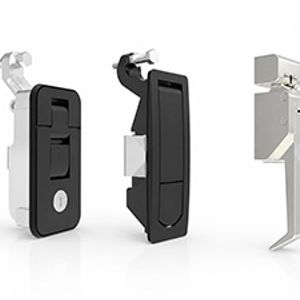
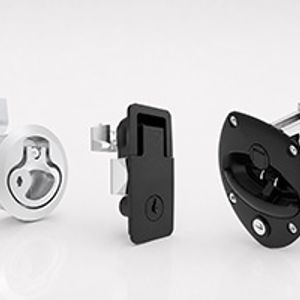
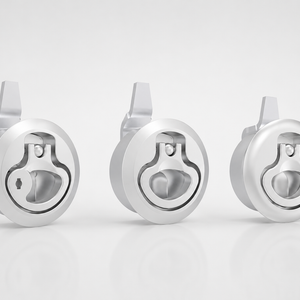
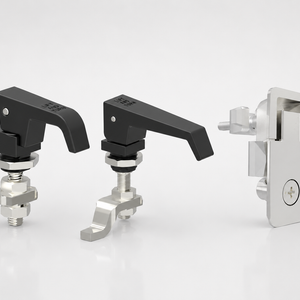
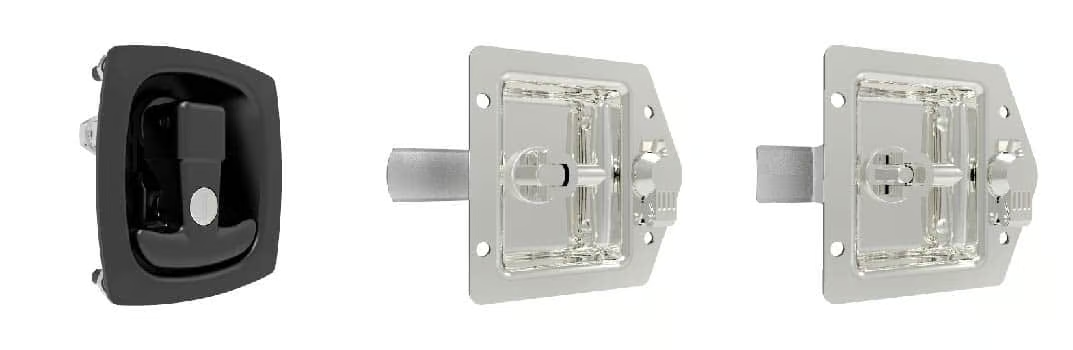
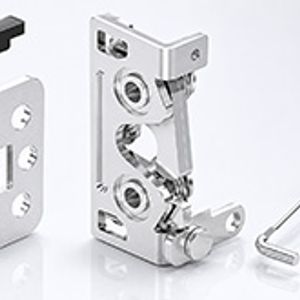
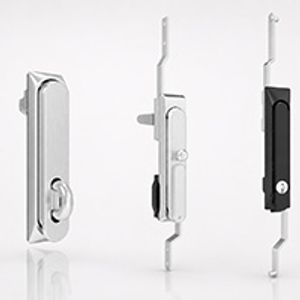
The small pull-to-turn compression latch utilizes a "lift + rotate" mechanism to achieve quick locking and compression. Its compact structure allows for continuous compressive force on the door panel during the locking process, effectively enhancing sealing, shock resistance, and anti-loosening performance. The product is suitable for equipment with high requirements for waterproofing, dustproofing, and spatial installation, and is widely used in scenarios such as HVAC equipment, air conditioning maintenance doors, ventilation equipment, electrical control boxes, small cabinets, vehicle toolboxes, and industrial enclosures.
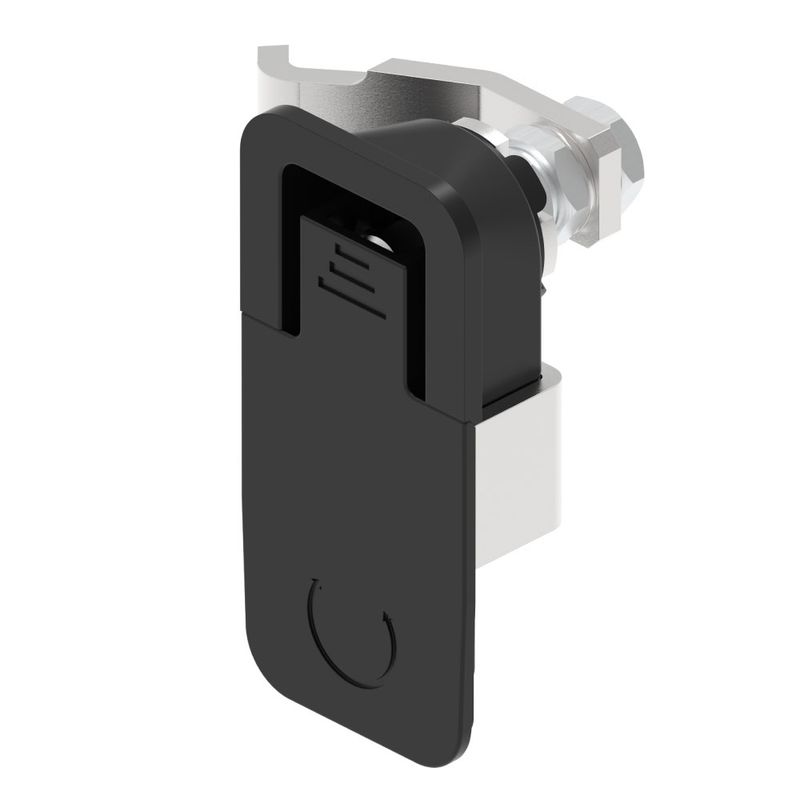
Lightweight Compression Latches
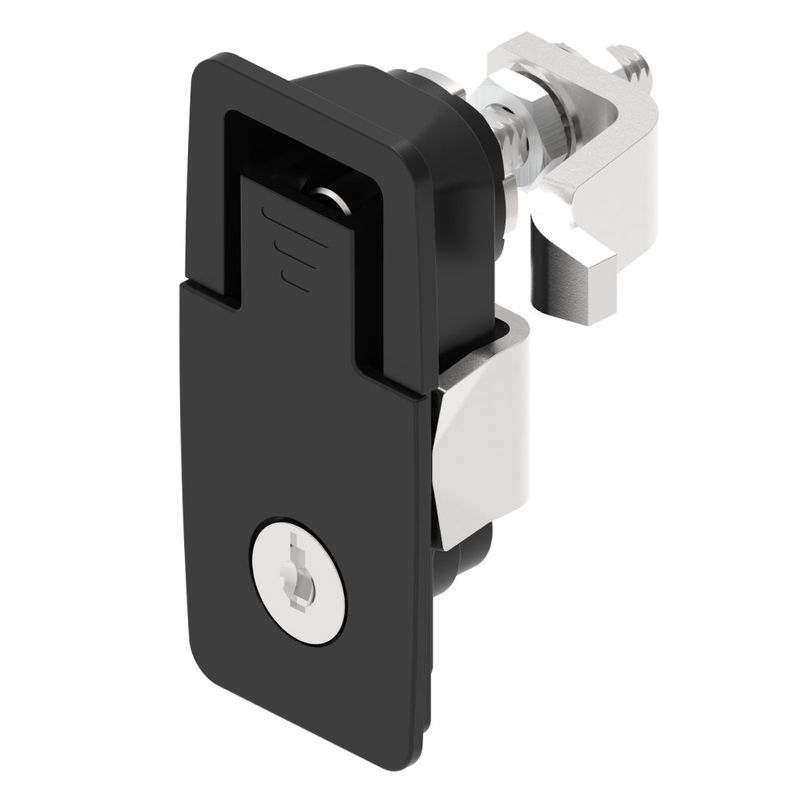
Lightweight Compression Latches
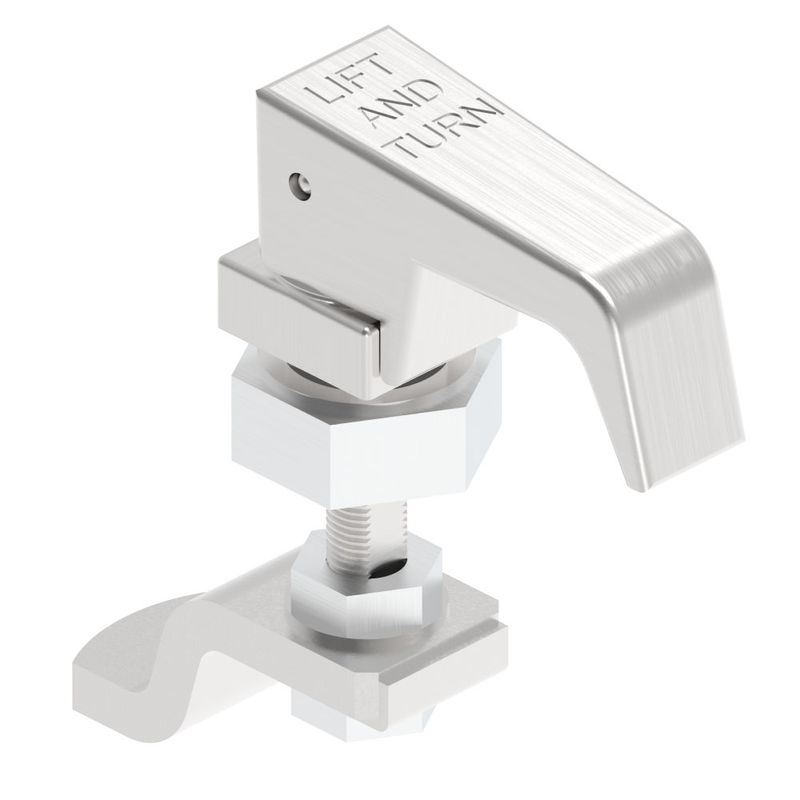
Lightweight Compression Latches
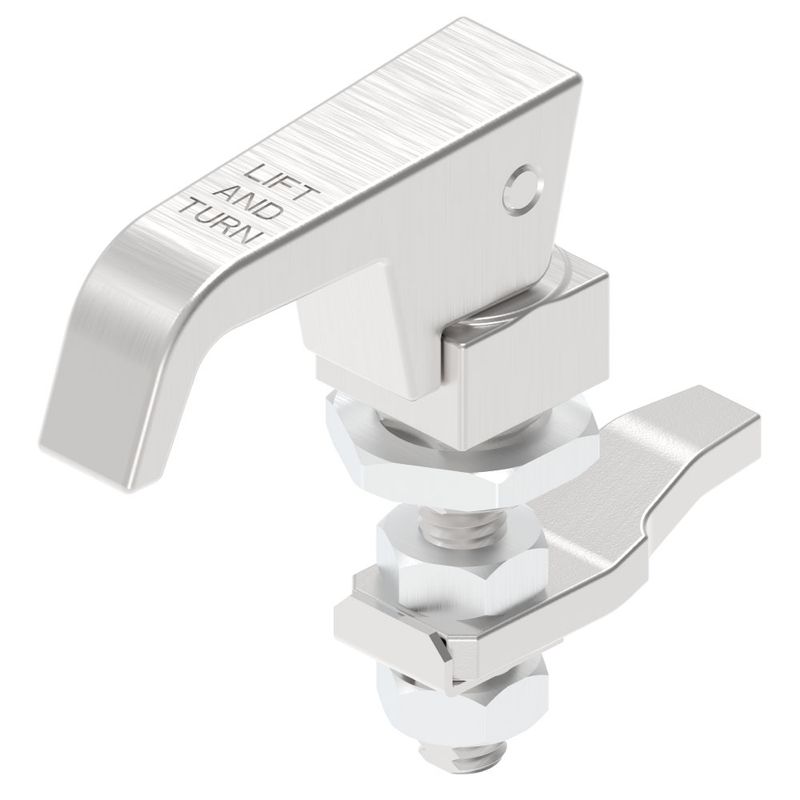
Lightweight Compression Latches
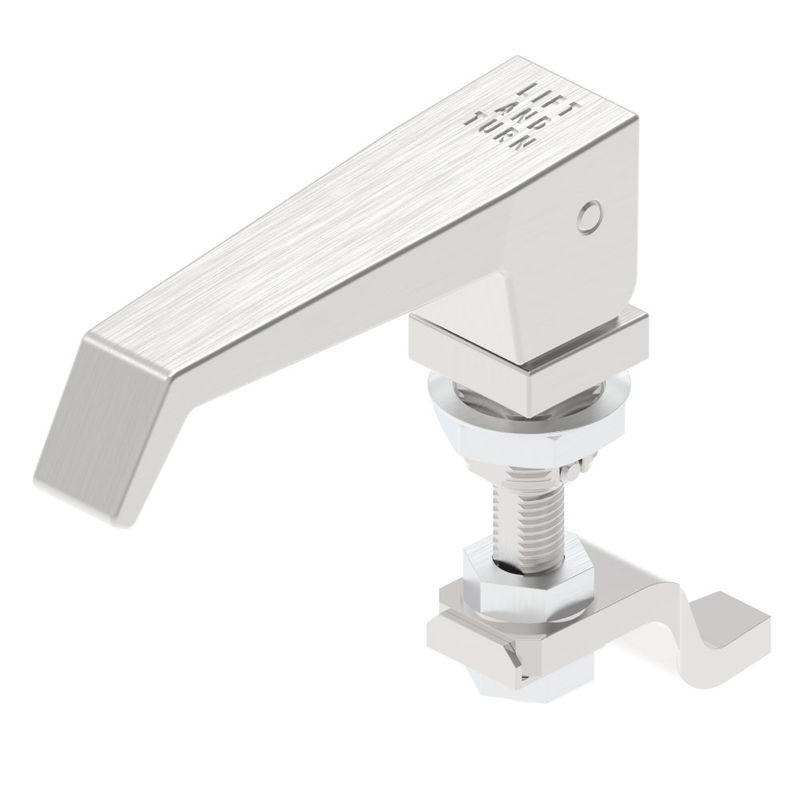
Lightweight Compression Latches
A small equipment door does not always need a large latch, but it still needs controlled sealing force. ForndLock lightweight compression latches use a lift-and-turn operating structure to lock compact panels quickly while applying continuous compression to the door surface. This pull-to-turn compression latch is designed for HVAC access doors, air conditioning maintenance panels, ventilation equipment, electrical control boxes, small cabinets, vehicle toolboxes, and industrial enclosures where waterproofing, dustproofing, vibration resistance, and limited installation space must be considered together.
ForndLock positions this category as a compact sealing solution rather than a general-purpose cabinet latch. The product is suitable for projects that require a small lift and turn compression latch with stable cam engagement, anti-loosening performance, clean installation, and OEM/ODM adaptation for batch production.
Small doors often fail because the latch only closes the panel without keeping pressure on the seal. A pull-to-turn compression latch solves this by combining two actions: lifting the handle to release compression, then turning the cam to unlock the panel. During locking, the structure applies compressive force to the door panel, helping reduce leakage, vibration noise, and loosening during equipment operation.
Engineering Problem | Risk on Small Equipment Doors | ForndLock Lightweight Compression Latch Response |
|---|---|---|
Limited installation space | Oversized latches interfere with compact panel design | Compact pull-to-turn structure supports small doors |
Door vibration | Loose panels, rattling, unstable closure | Compression force helps maintain stable contact |
Dust and water exposure | Poor enclosure protection around access panels | Sealing pressure improves gasket contact |
Frequent maintenance access | Slow opening or inconvenient service | Lift-and-turn operation supports quick manual access |
Panel loosening over time | Repeated adjustment and maintenance | Cam engagement and compression reduce loosening risk |
Application | Why a Lightweight Compression Latch Fits | Key Selection Focus |
|---|---|---|
HVAC equipment | Access doors need sealing and frequent service | Compact body, gasket compression, easy operation |
Air conditioning maintenance doors | Panels must open quickly without losing closure stability | Pull-to-turn operation and anti-loosening structure |
Ventilation equipment | Dust and airflow conditions require stable panel contact | Sealing pressure and door thickness fit |
Electrical control boxes | Enclosures need secure but compact access hardware | Installation space and cam engagement |
Small industrial cabinets | Panels are smaller but still exposed to vibration | Lightweight structure and repeatable locking |
Vehicle toolboxes | Mobile use requires resistance to shock and loosening | Vibration stability and corrosion-resistant finish |
Caravan access panels | Compact doors need lightweight hardware with sealing support | Small size, weather exposure, panel thickness |
For replacement or project development, the latch should not be selected only by appearance. A correct pull-to-turn compression latch must match the panel thickness, mounting space, cam position, compression distance, and operating environment.
Selection Parameter | What to Confirm Before Quotation | Why It Matters |
|---|---|---|
Door or panel thickness | Actual sheet metal or composite panel thickness | Prevents incorrect latch body selection |
Installation space | Available front and rear clearance | Ensures the latch fits compact equipment doors |
Cam engagement position | Frame distance and cam locking direction | Determines whether the cam locks securely |
Required compression | Gasket height and sealing target | Avoids under-compression or panel deformation |
Operating frequency | Maintenance interval and opening cycles | Helps choose structure and material durability |
Environment | Indoor, outdoor, humid, dusty, vehicle-mounted | Determines material and finish requirements |
Access control | Non-locking or restricted access requirement | Supports project-specific latch configuration |
Different compact equipment applications require different material priorities. HVAC and electrical enclosures may prioritize cost-effective corrosion protection, while vehicle toolboxes or outdoor cabinets may require stronger environmental resistance.
Material / Finish Direction | Suitable Use | Engineering Consideration |
|---|---|---|
Zinc alloy with plated finish | General industrial cabinets, HVAC panels, electrical boxes | Good balance of appearance, cost, and strength |
Powder-coated surface | Equipment requiring darker appearance or surface protection | Useful for visual consistency with enclosure panels |
Stainless steel option | Outdoor, humid, or corrosion-sensitive environments | Better long-term corrosion resistance |
Custom finish | OEM equipment or branded enclosure projects | Supports batch appearance consistency |
ForndLock operates a 50,000㎡ factory and produces industrial access hardware including compression latches, lift and turn latches, cam latches, hinges, handles, and enclosure accessories. For small lift and turn compression latch projects, manufacturing control is important because small dimensional errors can affect cam engagement, compression distance, sealing pressure, and installation consistency.
ForndLock Capability | Value for Lift and Turn Latch Projects |
|---|---|
In-house manufacturing | Better control over latch structure, finish, and batch consistency |
Engineering review | Supports panel thickness, cam position, and compression fit confirmation |
OEM/ODM development | Enables custom latch size, handle style, cam design, and finish |
Batch production | Supports stable supply for equipment manufacturers and enclosure projects |
Sample confirmation | Helps verify installation before mass production |
Global supply experience | Supports export orders and repeated project delivery |
A lightweight compression latch must remain smooth to operate while maintaining enough compression force. ForndLock can support quality validation according to the application environment and customer project requirements.
Quality Control Item | Purpose |
|---|---|
Dimensional inspection | Confirms latch body, cam, shaft, and mounting fit |
Material inspection | Verifies material consistency for batch production |
Surface finish inspection | Checks plating, coating, or stainless surface quality |
Opening and closing cycle test | Evaluates repeated operation durability |
Compression fit review | Confirms the latch can maintain sealing force |
Vibration stability check | Helps assess anti-loosening performance |
IP/NEMA test support | Supports enclosure projects requiring sealing verification |
Salt spray test support | Helps evaluate corrosion resistance for humid or outdoor use |
ForndLock is an industrial lift and turn latch manufacturer offering lightweight compression latches, pull-to-turn compression latch solutions, lift and turn cam latch customization, OEM/ODM development, engineering selection support, sample confirmation, fast delivery, and global supply for HVAC equipment, ventilation systems, electrical control boxes, vehicle toolboxes, caravans, small cabinets, and industrial enclosures.
A pull-to-turn compression latch is a latch that is lifted or pulled to release compression, then rotated to move the cam away from the frame. It is used when a compact door needs both quick access and sealing pressure.
A Small Lift and Turn Compression Latch applies compression to the door panel before it is opened, while a standard cam latch mainly rotates behind the frame to hold the panel closed. The lift-and-turn structure is better when sealing and anti-loosening performance are required.
Yes. A lightweight compression latch for caravan access panels is suitable when the door requires compact hardware, vibration resistance, and better sealing than a simple cam latch. Panel thickness, gasket height, and outdoor exposure should be confirmed before production.
A lift and turn cam latch is suitable for HVAC doors, air conditioning service panels, ventilation equipment, electrical control boxes, small cabinets, vehicle toolboxes, caravans, and compact industrial enclosures.
Yes. ForndLock can support pull-to-turn compression latch manufacturer projects with custom dimensions, cam design, handle style, material, finish, sample confirmation, and batch production according to drawings or application requirements.
To customize a Small Lift and Turn Compression Latch, provide panel thickness, installation cutout, rear clearance, cam locking distance, gasket compression requirement, material preference, finish requirement, and expected order quantity.
Yes. A lift and turn latch can improve sealing when its cam and compression structure are matched correctly with the gasket and frame. The compression action helps the door panel maintain closer contact with the sealing surface.
No. A lift and turn cam latch requires manual lifting and rotation to release the latch, while a push-to-close latch locks automatically when the door is pushed shut. These should be deployed on separate category pages to avoid search intent conflict.
Yes. ForndLock provides OEM/ODM support for lightweight compression latch projects, including structure adjustment, material selection, surface treatment, cam configuration, sample testing, and mass production.
For outdoor use, stainless steel or corrosion-resistant surface treatment is recommended. The final choice depends on humidity, salt exposure, UV exposure, installation position, and service life requirements.
The grip range should match the distance between the latch mounting surface and the frame contact point. If the grip range is too short, the cam will not engage properly; if it is too long, the latch may not create stable compression.
Yes. ForndLock can provide lift and turn latch manufacturer support for HVAC equipment, including compact latch selection, cam engagement review, surface finish options, and OEM/ODM production for maintenance doors and access panels.
Tell us your requirements and we'll provide customized solutions.
Contact Our Engineers