加载中...

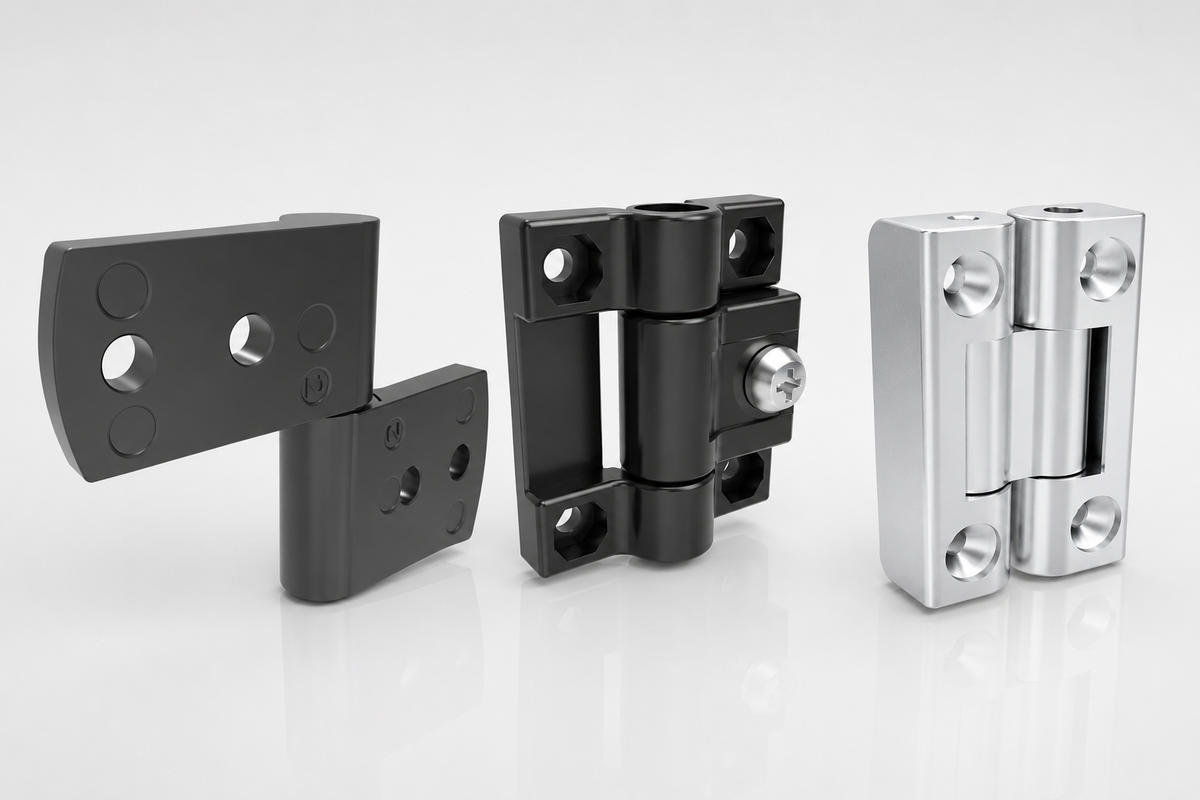
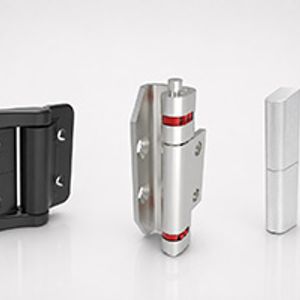
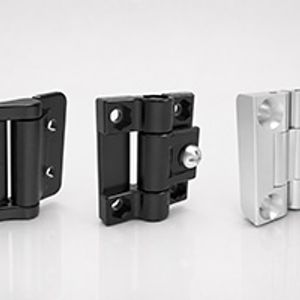
恒定扭矩铰链通过内部摩擦阻尼结构预设固定扭矩,可在开启过程中实现任意角度停留与平稳运动,无需额外支撑。产品适用于设备舱门、显示屏、控制面板、医疗设备、工业机柜及车辆内饰等应用场景,能够提升开合手感、减少冲击振动,并增强整体结构稳定性与使用安全性。支持多种扭矩规格、安装方式及表面处理,可满足不同空间与载荷需求
未找到相关产品
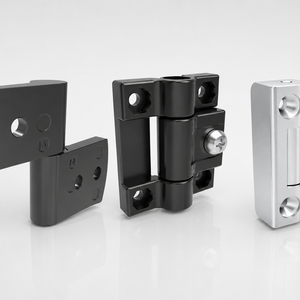
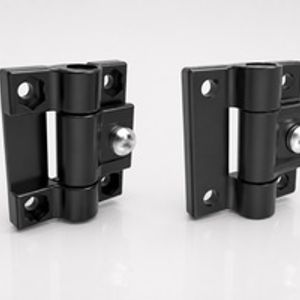
弗兰洛科的恒定扭矩铰链产品组合是围绕真实生产模型设计的,例如 H1-2416、H1-2423、H1-2420 及相关系列,每个系列都具有独特的结构配置,包括螺柱安装、沉头螺钉固定和 M4/M5/M6 安装兼容性。这些模型采用压铸锌合金作为主要结构基础,结合电镀铬、黑色粉末涂层和耐腐蚀表面处理,以满足不同的环境要求。
根据应用条件,弗兰洛科的扭矩铰链提供多种材料工程选项,包括用于成本效益工业外壳的锌合金(ZDC)、适用于高腐蚀环境的不锈钢配置,以及用于轻量或绝缘电子外壳的工程聚合物变体。安装灵活性包括外露安装、隐藏式安装和多点螺钉固定结构,旨在支持 OEM 组装和改装应用。
作为恒定扭矩铰链制造商,弗兰洛科整合了扭矩稳定性设计、精密压铸工艺和生命周期测试验证,以确保在整个操作范围内,即使在工业设备系统中常见的振动和动态负载条件下,也能保持一致的旋转阻力。
为了确保最佳性能,铰链的额定扭矩必须满足或超过您应用所产生的实际扭矩。单个铰链的常见计算方法是门或盖的重量乘以从支点到重心的距离。对于双铰链应用,将此结果除以二。我们建议在选择铰链时加入 20% 的公差范围,以考虑环境因素和长期磨损。我们的铰链根据您的规格进行工厂预设,确保在 25,000 次循环寿命内保持一致的性能。
弗兰洛科的恒定扭矩铰链旨在实现长寿命和结构完整性。我们的产品设计旨在在 25,000 次循环寿命内保持扭矩性能在 ±20% 的指定值范围内。采用高质量材料,如耐用的压铸锌,这些铰链适用于室内和室外环境。凭借 270 度旋转能力和工厂预设扭矩等特点,我们的铰链提供了一种免维护的解决方案,通过为柜体、医疗设备和工业面板提供平稳、可靠的位置控制,提升用户体验。
我们理解每个项目都有独特的要求。除了我们的标准目录产品外,我们还提供全面支持,从现有设计的修改到完全定制的铰链开发。无论您需要特定的扭矩设置、独特的安装配置,还是像压铸锌这样的特殊材料以确保室内和室外的耐用性,我们的工程团队都随时准备提供帮助。
弗兰洛科支持工业 OEM 团队,提供针对外壳系统、运输设备和精密访问控制应用设计的工程恒定扭矩铰链解决方案。
与弗兰洛科工程团队合作,开发针对特定应用的扭矩铰链系统,以优化性能、耐用性和制造可扩展性。
恒定扭矩铰链,也称为摩擦或位置控制铰链,利用内部机制,如圆盘、夹子或管状结构,在整个运动范围内产生一致的阻力。通过在铰链叶片和销之间产生内部摩擦,这些铰链允许面板、盖子或显示器在任何所需角度下安全固定,而无需额外的支撑。该机制确保了平稳、可控的运动,并防止意外关闭或打开,为各种工业和消费应用提供可靠的位置控制。
摩擦铰链依赖于随时间退化的表面压缩元件,而恒定扭矩铰链则使用控制的内部扭矩机制,在整个旋转周期内保持阻力的一致性。 从工程角度来看,恒定扭矩铰链提供: 稳定的扭矩曲线,无逐渐衰减 在动态环境中改善的抗振动能力 在重复循环下可预测的定位行为 弗兰洛科专门为需要长期机械重复性的应用设计扭矩控制系统。
材料选择取决于环境暴露水平: SS304:一般户外和工业柜体 SS316:海洋、离岸、高盐度环境 锌合金:以成本效益为优先的室内电气外壳 工程聚合物:轻量或绝缘的电子外壳 弗兰洛科根据环境应力分类和生命周期预期提供材料工程建议。
扭矩降解通常是由于内部磨损、润滑失效、材料疲劳或超出额定规格的过载造成的。 高质量的恒定扭矩铰链通过控制内部几何形状、表面处理工艺和经过验证的生命周期测试来减轻这一问题。弗兰洛科进行批量级扭矩验证,以最小化长期使用中的性能漂移。
扭矩一致性通过受控的制造过程得以保持,包括: CNC 精密加工 组装过程中的扭矩测量 批次抽样验证 生命周期模拟测试 这确保每个交付的铰链在定义的工程公差范围内保持一致的扭矩输出。
工业扭矩铰链通常通过以下方式进行验证: 循环疲劳测试(重复开合循环) 盐雾腐蚀测试 振动和冲击耐受性模拟 负载下的扭矩保持测量 弗兰洛科将这些验证方法整合到其生产质量保证系统中,以满足OEM和工业级应用的需求。