กำลังโหลด...

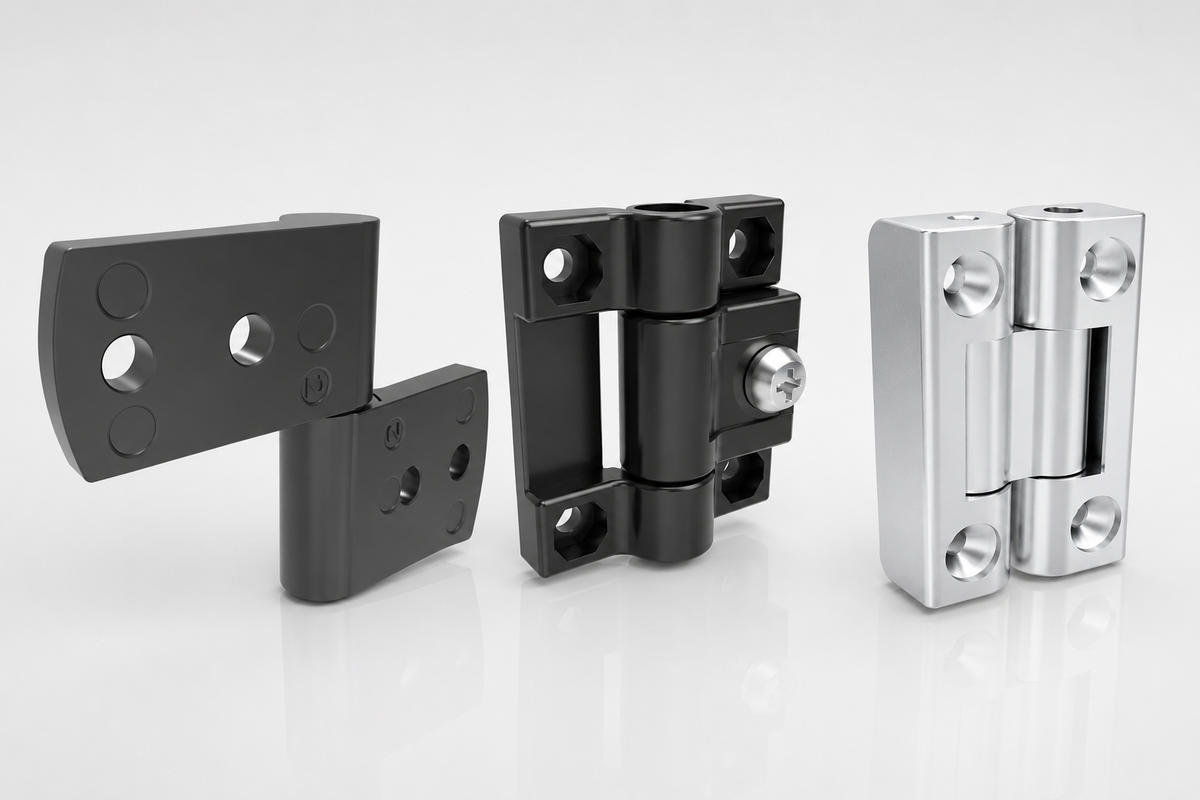
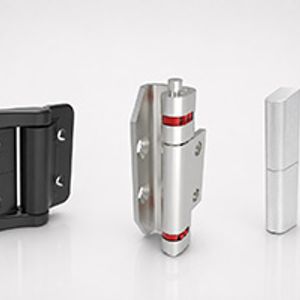
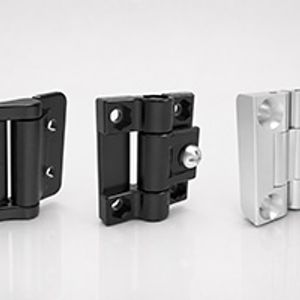
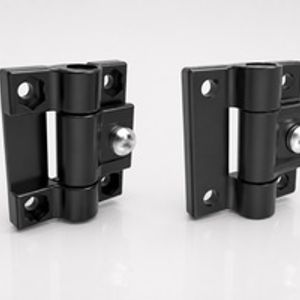
บานพับแรงบิดคงที่มีแรงบิดที่ตั้งค่าไว้ล่วงหน้าผ่านโครงสร้างการลดแรงเสียดทานภายใน ช่วยให้สามารถถือมุมใด ๆ ได้ในระหว่างการเปิดและเคลื่อนที่ได้อย่างราบรื่นโดยไม่ต้องการการสนับสนุนเพิ่มเติม ผลิตภัณฑ์นี้เหมาะสำหรับการใช้งาน เช่น ประตูเข้าถึงอุปกรณ์, จอแสดงผล, แผงควบคุม, อุปกรณ์ทางการแพทย์, ตู้ industrial, และภายในรถยนต์ ช่วยเพิ่มความรู้สึกในการเปิดและปิด ลดการสั่นสะเทือนจากแรงกระแทก และปรับปรุงความเสถียรและความปลอดภัยโดยรวม รองรับข้อกำหนดแรงบิดที่หลากหลาย วิธีการติดตั้ง และการเคลือบผิวเพื่อตอบสนองความต้องการในพื้นที่และน้ำหนักที่แตกต่างกัน
ไม่พบผลิตภัณฑ์ที่ตรงกัน
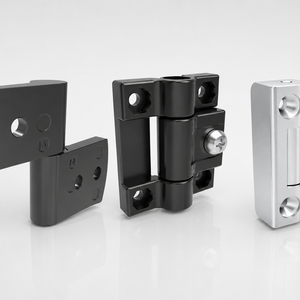
พอร์ตโฟลิโอบานพับแรงบิดคงที่ของ ForndLock ได้รับการออกแบบตามโมเดลการผลิตจริง เช่น H1-2416, H1-2423, H1-2420 และซีรีส์ที่เกี่ยวข้อง ซึ่งแต่ละแบบมีการออกแบบโครงสร้างที่แตกต่างกันรวมถึงการติดตั้งแบบสตั๊ด การยึดด้วยสกรูแบบจม และความเข้ากันได้ในการติดตั้ง M4/M5/M6 โมเดลเหล่านี้ผลิตจากการหล่อแรงดันสังกะสีเป็นฐานโครงสร้างหลัก ร่วมกับการชุบโครเมียม การเคลือบผงสีดำ และการรักษาพื้นผิวที่ทนต่อการกัดกร่อนเพื่อตอบสนองความต้องการด้านสิ่งแวดล้อมที่แตกต่างกัน
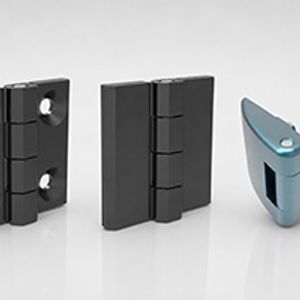
ขึ้นอยู่กับสภาพการใช้งาน บานพับแรงบิดของ ForndLock มีให้เลือกหลายตัวเลือกวัสดุวิศวกรรม รวมถึงสังกะสีอัลลอย (ZDC) สำหรับกล่องหุ้มอุตสาหกรรมที่มีต้นทุนต่ำ การกำหนดค่าสตainless steel สำหรับสภาพแวดล้อมที่มีการกัดกร่อนสูง และตัวแปรโพลีเมอร์วิศวกรรมสำหรับที่อยู่อาศัยอิเล็กทรอนิกส์ที่มีน้ำหนักเบาหรือฉนวน ความยืดหยุ่นในการติดตั้งรวมถึงการติดตั้งแบบเปิดเผย การติดตั้งแบบซ่อน และโครงสร้างการยึดสกรูหลายจุดที่ออกแบบมาเพื่อรองรับทั้งการประกอบ OEM และการปรับปรุง
ในฐานะผู้ผลิตบานพับแรงบิดคงที่ ForndLock รวมการออกแบบความเสถียรของแรงบิด กระบวนการหล่อที่แม่นยำ และการตรวจสอบวงจรชีวิตเพื่อให้แน่ใจว่ามีความต้านทานการหมุนที่สม่ำเสมอตลอดช่วงการทำงานทั้งหมด แม้ในสภาวะการสั่นสะเทือนและการโหลดแบบไดนามิกที่พบได้ทั่วไปในระบบอุปกรณ์อุตสาหกรรม
เพื่อให้แน่ใจว่าประสิทธิภาพสูงสุด แรงบิดที่กำหนดของบานพับต้องตรงตามหรือเกินกว่าค่าแรงบิดจริงที่เกิดจากการใช้งานของคุณ การคำนวณทั่วไปสำหรับบานพับเดี่ยวคือ น้ำหนักของประตูหรือฝาปิดคูณด้วยระยะห่างจากจุดหมุนไปยังจุดศูนย์ถ่วง สำหรับการใช้งานบานพับคู่ ให้แบ่งผลลัพธ์นี้ด้วยสอง เราขอแนะนำให้รวมขอบเขตความคลาดเคลื่อน 20% เมื่อเลือกบานพับของคุณเพื่อคำนึงถึงปัจจัยด้านสิ่งแวดล้อมและการสึกหรอในระยะยาว บานพับของเราถูกตั้งค่าไว้ล่วงหน้าที่โรงงานตามข้อกำหนดของคุณ เพื่อให้มั่นใจในประสิทธิภาพที่สม่ำเสมอในระยะเวลา 25,000 รอบ
บานพับแรงบิดคงที่ของ ForndLock ได้รับการออกแบบเพื่อความทนทานและความสมบูรณ์ของโครงสร้าง ผลิตภัณฑ์ของเราถูกออกแบบมาเพื่อรักษาประสิทธิภาพแรงบิดภายใน ±20% ของค่าที่กำหนดตลอดอายุการใช้งาน 25,000 รอบ ผลิตจากวัสดุคุณภาพสูงเช่นสังกะสีหล่อที่ทนทาน บานพับเหล่านี้เหมาะสำหรับทั้งสภาพแวดล้อมในร่มและกลางแจ้ง ด้วยคุณสมบัติเช่นความสามารถในการหมุน 270 องศาและแรงบิดที่ตั้งค่าไว้ล่วงหน้าในโรงงาน บานพับของเรามอบโซลูชันที่ไม่ต้องบำรุงรักษา ซึ่งช่วยเพิ่มประสบการณ์การใช้งานโดยการเสนอการควบคุมตำแหน่งที่ราบรื่นและเชื่อถือได้สำหรับตู้ อุปกรณ์ทางการแพทย์ และแผงอุตสาหกรรม
เราเข้าใจว่าโครงการแต่ละโครงการมีความต้องการเฉพาะ เรานอกเหนือจากข้อเสนอในแคตตาล็อกมาตรฐานของเรา เราให้การสนับสนุนอย่างครอบคลุมตั้งแต่การปรับเปลี่ยนการออกแบบที่มีอยู่ไปจนถึงการพัฒนาบานพับที่กำหนดเองอย่างเต็มที่ ไม่ว่าคุณจะต้องการการตั้งค่าแรงบิดเฉพาะ การกำหนดค่าการติดตั้งที่ไม่เหมือนใคร หรือวัสดุเฉพาะเช่นสังกะสีหล่อสำหรับความทนทานในร่มและกลางแจ้ง ทีมวิศวกรรมของเราพร้อมที่จะช่วยเหลือ
ForndLock สนับสนุนทีม OEM อุตสาหกรรมด้วยโซลูชันบานพับแรงบิดคงที่ที่ออกแบบมาสำหรับระบบกล่องหุ้ม อุปกรณ์ขนส่ง และการควบคุมการเข้าถึงที่แม่นยำ
ร่วมมือกับทีมวิศวกรรมของ ForndLock เพื่อพัฒนาระบบบานพับแรงบิดเฉพาะสำหรับการใช้งานที่ได้รับการปรับแต่งเพื่อประสิทธิภาพ ความทนทาน และความสามารถในการผลิต
บานพับแรงบิดคงที่ ซึ่งเรียกอีกอย่างว่าบานพับควบคุมแรงเสียดทานหรือควบคุมตำแหน่ง ใช้กลไกภายใน เช่น แผ่นดิสก์ คลิป หรือโครงท่อ เพื่อสร้างความต้านทานที่สม่ำเสมอตลอดช่วงการเคลื่อนไหวทั้งหมด โดยการสร้างแรงเสียดทานภายในระหว่างใบและหมุด บานพับเหล่านี้ช่วยให้แผง ฝา หรือจอแสดงผลสามารถยึดไว้ได้อย่างมั่นคงในมุมที่ต้องการโดยไม่ต้องใช้การสนับสนุนเพิ่มเติม กลไกนี้ช่วยให้การเคลื่อนไหวราบรื่นและควบคุมได้ และป้องกันการปิดหรือเปิดโดยไม่ได้ตั้งใจ ซึ่งให้การควบคุมตำแหน่งที่เชื่อถือได้สำหรับการใช้งานในอุตสาหกรรมและการใช้งานทั่วไปต่างๆ
บานพับแรงบิดคงที่อาศัยกลไกแรงบิดภายในที่ควบคุม ซึ่งรักษาความต้านทานให้คงที่ตลอดรอบการหมุน ในขณะที่บานพับแรงเสียดทานพึ่งพาองค์ประกอบการอัดผิวที่เสื่อมสภาพตามเวลา จากมุมมองวิศวกรรม บานพับแรงบิดคงที่ให้: เส้นโค้งแรงบิดที่เสถียรโดยไม่มีการเสื่อมสภาพที่ก้าวหน้า ความต้านทานต่อการสั่นสะเทือนที่ดีขึ้นในสภาพแวดล้อมที่มีการเคลื่อนไหว พฤติกรรมการจัดตำแหน่งที่คาดการณ์ได้ภายใต้รอบการทำงานซ้ำ ForndLock ออกแบบระบบควบคุมแรงบิดโดยเฉพาะสำหรับการใช้งานที่ต้องการความสามารถในการทำซ้ำทางกลในระยะยาว
การเลือกวัสดุขึ้นอยู่กับระดับการสัมผัสกับสภาพแวดล้อม: SS304: ตู้กลางแจ้งทั่วไปและตู้อุตสาหกรรม SS316: สภาพแวดล้อมทางทะเล นอกชายฝั่ง และที่มีความเค็มสูง Zinc Alloy: ตู้ไฟฟ้าภายในอาคารที่ให้ความสำคัญกับความคุ้มค่า วิศวกรรมโพลีเมอร์: ที่อยู่อีเล็กทรอนิกส์ที่มีน้ำหนักเบาหรือมีฉนวน ForndLock ให้คำแนะนำด้านวิศวกรรมวัสดุตามการจำแนกประเภทความเครียดจากสภาพแวดล้อมและความคาดหวังในวงจรชีวิต
การเสื่อมสภาพของแรงบิดมักเกิดจากการสึกหรอภายใน การสูญเสียการหล่อลื่น ความเมื่อยล้าของวัสดุ หรือการโหลดเกินกว่าข้อกำหนดที่ระบุ บานพับแรงบิดคงที่คุณภาพสูงช่วยลดปัญหานี้ผ่านการควบคุมรูปทรงภายใน กระบวนการบำบัดพื้นผิว และการทดสอบอายุการใช้งานที่ได้รับการตรวจสอบ ForndLock ทำการตรวจสอบแรงบิดในระดับชุดเพื่อลดการเบี่ยงเบนของประสิทธิภาพตลอดการใช้งานระยะยาว
ความสม่ำเสมอของแรงบิดถูกควบคุมผ่านกระบวนการผลิตที่มีการควบคุมรวมถึง: การกลึงด้วยเครื่อง CNC ที่มีความแม่นยำ การวัดแรงบิดระหว่างการประกอบ การตรวจสอบตัวอย่างแบบกลุ่ม การทดสอบการจำลองวงจรชีวิต สิ่งนี้ทำให้มั่นใจได้ว่าบานพับที่ส่งมอบทุกชิ้นจะรักษาความสม่ำเสมอของแรงบิดภายในค่ามาตรฐานวิศวกรรมที่กำหนดไว้
บานพับแรงบิดอุตสาหกรรมมักได้รับการตรวจสอบผ่าน: การทดสอบความเมื่อยล้าของวงจร (การเปิด/ปิดซ้ำหลายครั้ง) การทดสอบการกัดกร่อนด้วยสเปรย์เกลือ การจำลองความต้านทานต่อการสั่นสะเทือนและแรงกระแทก การวัดการเก็บแรงบิดภายใต้ภาระ ForndLock นำวิธีการตรวจสอบเหล่านี้มาใช้ในระบบคุณภาพการผลิตสำหรับการใช้งาน OEM และระดับอุตสาหกรรม
แจ้งความต้องการของคุณ แล้วเราจะนำเสนอโซลูชันที่ปรับแต่งให้เหมาะสม
ติดต่อทีมวิศวกร