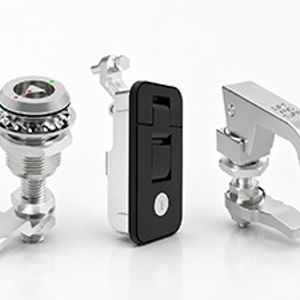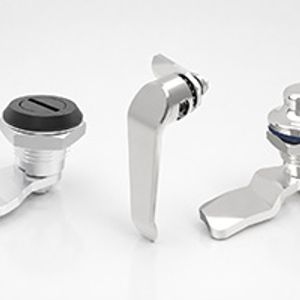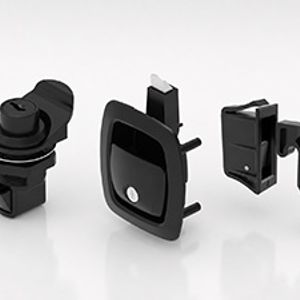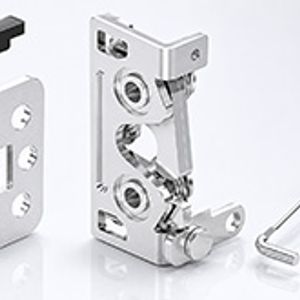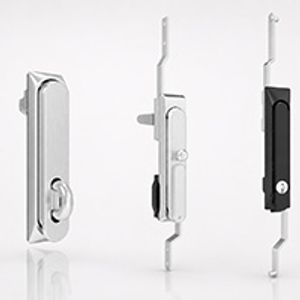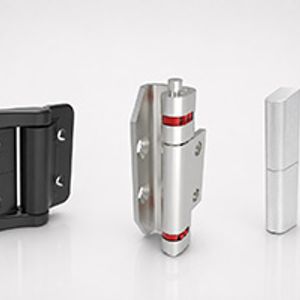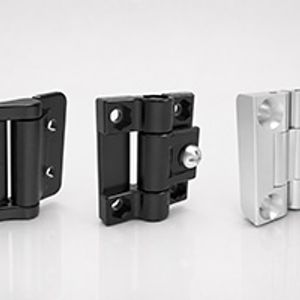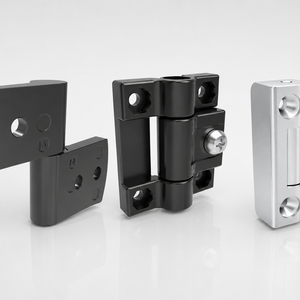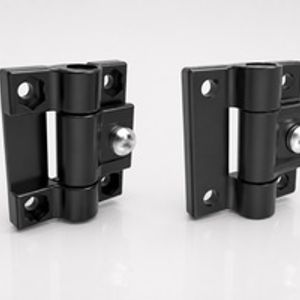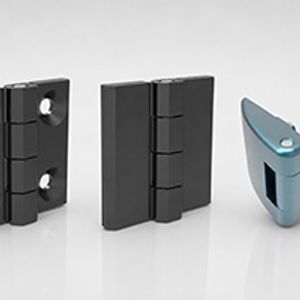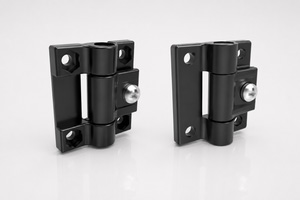
可调扭矩铰链可根据不同应用需求自由调节开启与闭合阻力,实现门板、盖板或显示设备在任意角度的稳定停留。产品通过调节机构精准控制旋转扭矩,兼顾顺畅操作与可靠支撑,适用于工业设备、医疗仪器、通信机柜、自助终端、车辆舱门及高端电子设备等场景。支持多种安装尺寸、材质及扭矩范围选择,满足不同载荷与使用寿命要求
未找到相关产品
Torque selection is determined by panel weight, center of gravity offset, mounting distance, and expected opening frequency. In industrial enclosure design, incorrect torque sizing can lead to panel drift, uneven load stress, or accelerated hinge wear. ForndLock provides engineering-based torque evaluation using application conditions rather than fixed catalog assumptions, ensuring stable performance in real installation environments.
Adjustable torque hinges provide controlled and repeatable resistance adjustment through engineered internal mechanisms, while friction hinges rely primarily on surface compression forces. In practice, adjustable torque hinges offer more consistent performance under vibration and repeated cycles, making them more suitable for industrial equipment, control cabinets, and machinery panels.
Material selection depends on environmental exposure and mechanical requirements: Zinc alloy (ZDC): cost-efficient industrial enclosures Stainless steel 304: general outdoor and corrosion-resistant applications Stainless steel 316: marine or high-salinity environments PA66 + GF: lightweight and insulated electronic systems ForndLock supports material engineering based on application-specific durability requirements.
Yes, but torque range and hinge structure must be engineered according to load distribution and mounting geometry. Heavy-duty applications require reinforced structural design and higher torque calibration ranges to maintain stable motion control.
They are widely used in: Industrial automation equipment Electrical and control cabinets Medical device housings Transportation interior systems Industrial machinery access panels Each application requires different torque stability and cycle performance requirements.
Yes. ForndLock supports full OEM/ODM customization including torque calibration, structural design, mounting interface modification, surface treatment selection, and lifecycle validation. Lifecycle depends on load conditions and operating frequency, but industrial-grade hinges are typically validated through tens of thousands of operational cycles under controlled torque deviation limits. Torque consistency is controlled through precision die-casting, CNC machining, assembly torque calibration, and batch sampling inspection to ensure stable performance across production runs.