Loading...

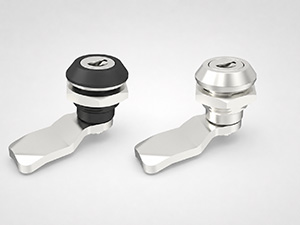
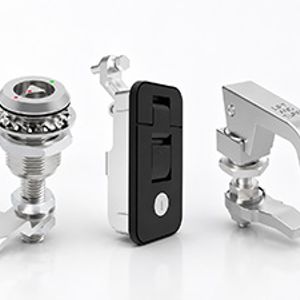
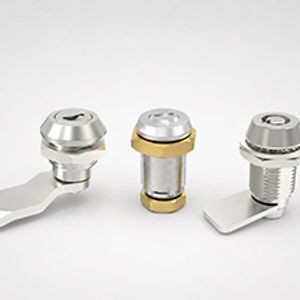
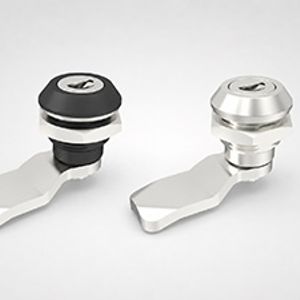
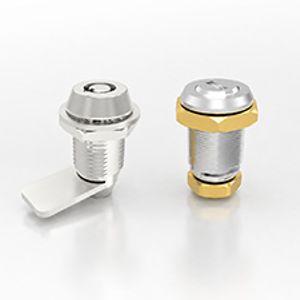
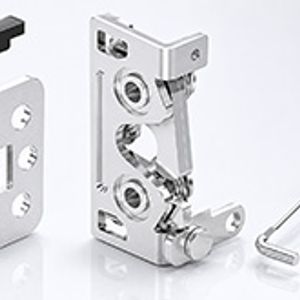
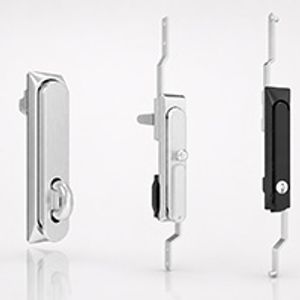
The right-angle lock series adopts a traditional flat key structure, allowing the door panel to open and close through a 90° rotation. It features a compact design and simple operation, making it suitable for industrial applications that require basic access management and equipment protection. The product has a clean appearance and offers various surface treatment options, including chrome plating, stainless steel, and black spray coating, to meet different equipment aesthetic and environmental needs. This series typically provides good dustproof, anti-vibration, and corrosion-resistant performance. It can accommodate different latch sizes and door thicknesses, making it widely used in electrical enclosures, distribution boxes, communication cabinets, automation equipment, charging equipment, and industrial control cabinets. It is one of the most commonly used basic key lock solutions in industrial equipment.
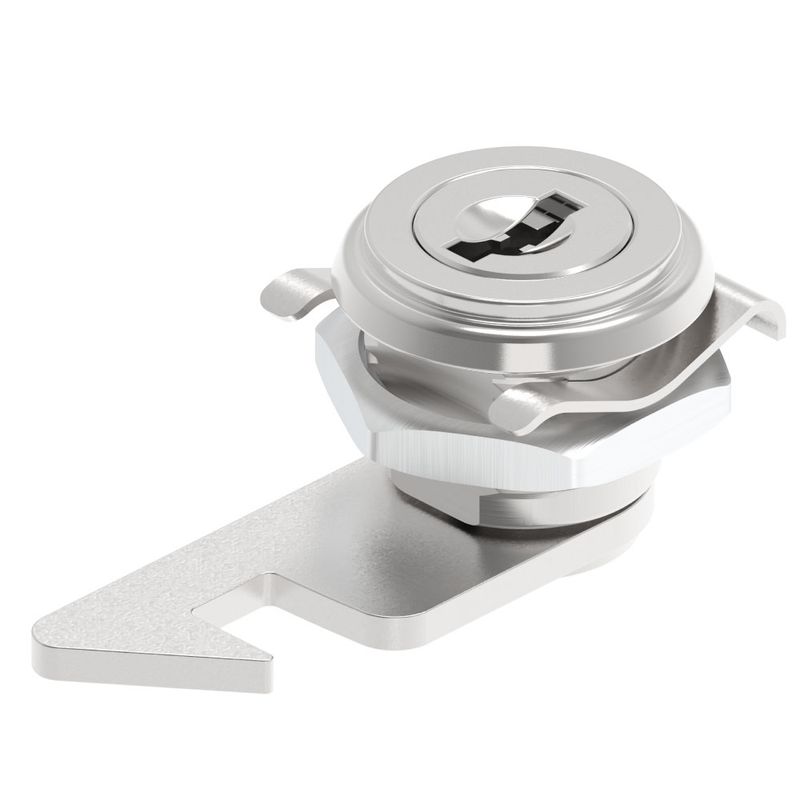
Keyed Right Angle Lock
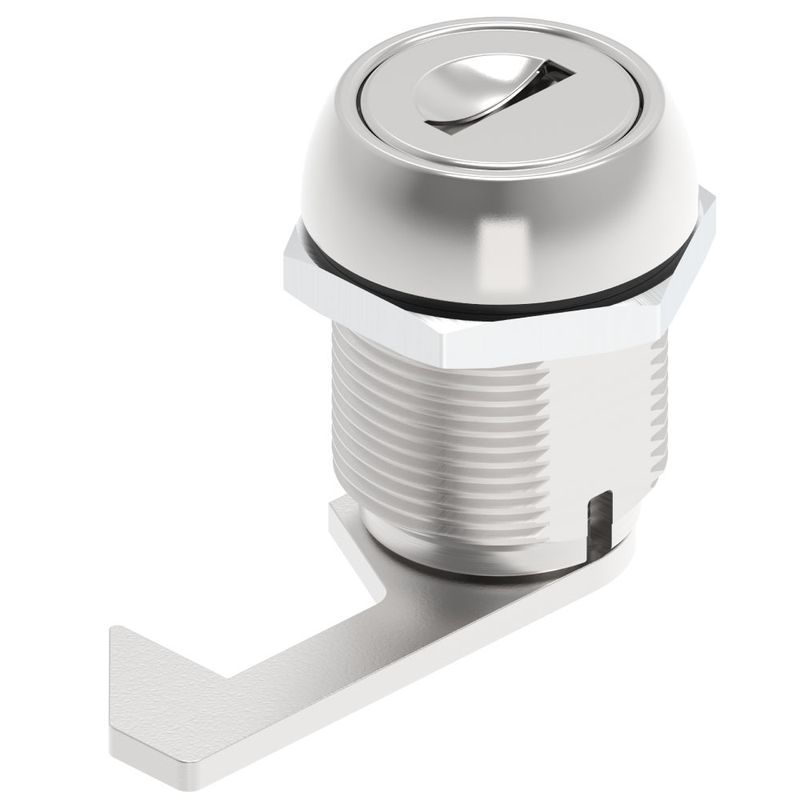
Keyed Right Angle Lock
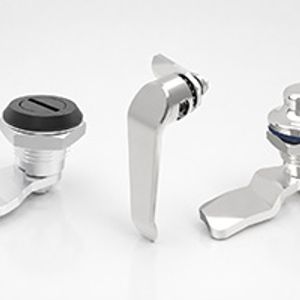
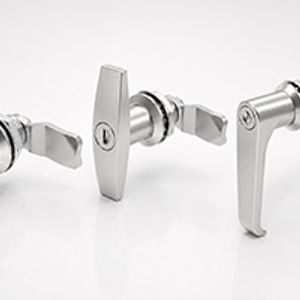
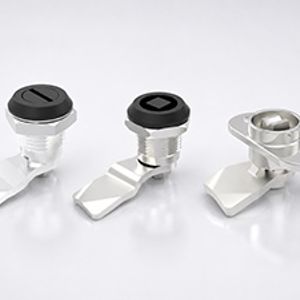
The keyed cam lock is a compact mechanical locking device designed to convert a quarter turn into a secure cam engagement behind the enclosure frame. This system is widely used in industrial cabinets, electronic enclosures, and machine access panels that require controlled locking and repeated access cycles.
Unlike basic tool-operated locking mechanisms, the keyed structure introduces controlled access through a precisely designed lock cylinder, ensuring that only authorized operators can engage or release the locking system.
ForndLock develops and manufactures industrial keyed cam lock systems for cabinet and enclosure applications that require controlled access, mechanical reliability, and scalable production capacity.
As a 50,000㎡ manufacturing facility, we support OEM/ODM customization, bulk supply programs, and engineering-grade locking system development for global industrial equipment manufacturers.
If your application requires secure access control and long-term mechanical stability, ForndLock offers engineered locking solutions that go beyond standard catalog components.
The keyed cam lock is used to protect cabinet doors, electrical enclosures, and industrial panels by restricting access to authorized users only. It converts a 90° rotation into cam movement that locks behind the frame, making it suitable for controlled access environments in industrial equipment and machinery systems.
The keyed cam lock requires a physical key for operation, providing access control, while the tool-operated quarter turn lock is opened using a wrench, screwdriver, or coin. In areas where security and restricted access are necessary, keyed systems are typically preferred, whereas the tool-operated version is used for maintenance panels or non-secure enclosures.
Yes, many keyed cam lock models are designed for retrofit applications. As long as the door thickness, mounting cutout, and cam offset are compatible, existing cabinet locks can be replaced without modifying the enclosure structure.
Industrial key cam locks are typically made with die-cast zinc, stainless steel, or brass core components. Die-cast zinc is suitable for general applications due to its cost-effectiveness; stainless steel is used for corrosion resistance; while brass cores are favored for their smoother key operation and durability.
The tubular key system offers higher security due to its multi-pin round structure, while the flat key system is simpler and widely used in standard industrial enclosures. The tubular system is typically used in environments that require higher security for equipment or restricted access control.
Yes, the stainless steel keyed cam lock is designed for outdoor, humid, and corrosive environments. Additional surface treatments, such as chrome plating or powder coating, further enhance resistance to weather exposure and industrial wear.
The keyed cam lock is widely used in power distribution, industrial automation, telecommunications enclosures, machinery, vending systems, and self-service machines that require controlled access.
Yes, ForndLock supports OEM/ODM customization, including key system design, cam geometry, mounting dimensions, surface treatment, and locking configurations. This allows integration into various cabinet and enclosure manufacturing standards.
Key factors include manufacturing capability, material traceability, key system options, customization flexibility, and production consistency. Qualified manufacturers of keyed cam locks should also support OEM requirements and provide technical support for enclosure integration.
Tell us your requirements and we'll provide customized solutions.
Contact Our Engineers